Oskar Schindler is one of the most famous rescuers of Jews during the Holocaust. During World War II, Schindler ran an enamelware factory, known as "Emalia," in German-occupied Kraków. There, he employed Jewish forced laborers from the Kraków ghetto and the Plaszow camp. After witnessing the Nazis’ brutality and violence against Jews, Schindler decided to protect as many Jewish forced laborers as he could. In 1944, he transferred part of his factory to the town of Brünnlitz in the Sudetenland. He brought about 1,000 Jewish workers with him to the factory, which was a subcamp of Gross-Rosen. Schindler’s most significant rescue efforts took place at the Brünnlitz camp during the last desperate months of the war. From the establishment of the camp in October 1944 until its liberation in May 1945, Schindler devoted himself to saving its Jewish prisoners.
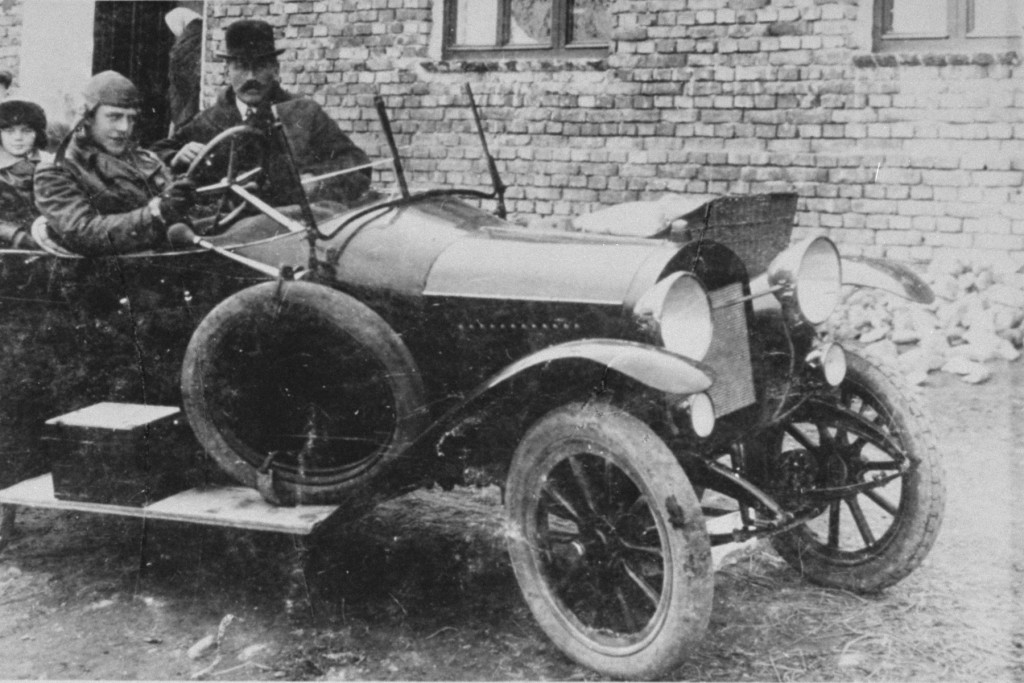
Oskar Schindler (at wheel) with his father, Hans. Svitavy (Zwittau), Czechoslovakia, 1929.
Item View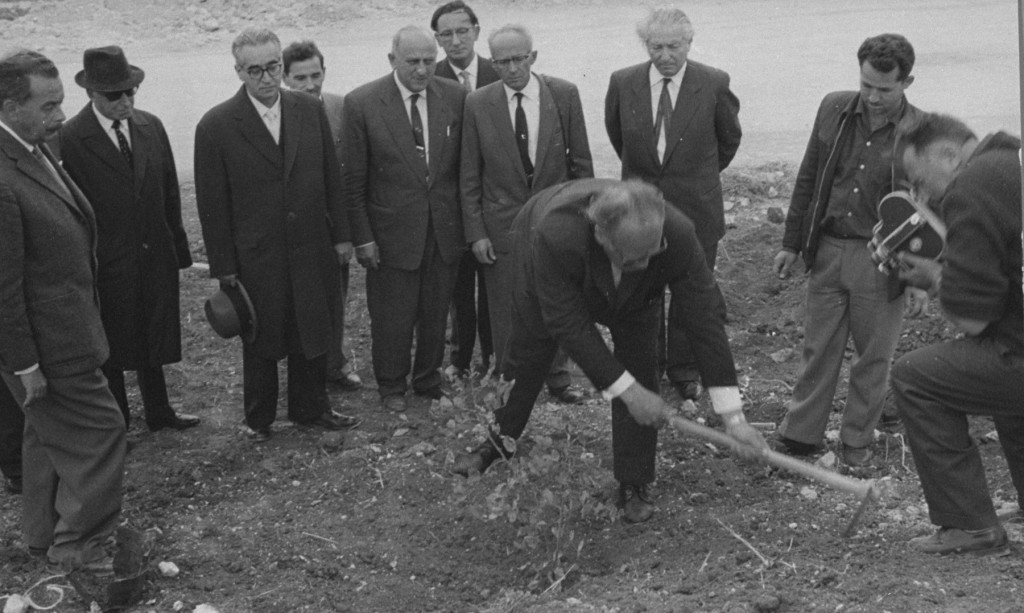
Rescuer Oskar Schindler plants a tree on the Avenue of the Righteous Among the Nations at Yad Vashem, Israel's national institution of Holocaust commemoration. May 8, 1962, Israel.
In the 1960s, Schindler was invited by Yad Vashem to plant a tree in his honor. His planting ceremony took place on May 8, 1962. In 1993, Oskar and Emilie Schindler were named Righteous Among the Nations, non-Jewish individuals honored by Yad Vashem for risking their lives to aid Jews during the Holocaust.
Item View![Oskar Schindler standing (second from right) with some of the people he rescued. [LCID: 03411]](https://encyclopedia.ushmm.org/images/large/305b7edd-36f1-45da-9002-e5556096045f.jpg "Oskar Schindler standing (second from right) with some of the people he rescued. [LCID: 03411]")
Oskar Schindler standing (second from right) with some of the Jewish people he rescued. Munich, Germany, May–June 1946.
Item View![Construction of Oskar Schindler's armaments factory in Bruennlitz. [LCID: 03387]](https://encyclopedia.ushmm.org/images/large/043cb777-eca8-4b23-a336-7c90b0ab2c4a.jpeg "Construction of Oskar Schindler's armaments factory in Bruennlitz. [LCID: 03387]")
View during the construction of Oskar Schindler's armaments factory at Brünnlitz, a subcamp of the Gross-Rosen concentration camp. In fall 1944, Schindler relocated his factory from German-occupied Kraków to a village near his hometown in the Sudetenland (part of Czechoslovakia annexed to Nazi Germany). At Brünnlitz, Schindler devoted himself to saving its approximately 1,000 Jewish prisoners. This was a difficult and risky endeavor that required him to spend the fortune he had made in Kraków. Czechoslovakia, October 1944.
Item View![View during the construction of Oskar Schindler's armaments factory in Bruennlitz. [LCID: 03386]](https://encyclopedia.ushmm.org/images/large/d33c2c3d-595e-4b99-a6a3-54f337741a0d.jpg "View during the construction of Oskar Schindler's armaments factory in Bruennlitz. [LCID: 03386]")
View during the construction of Oskar Schindler's armaments factory at Brünnlitz, a subcamp of the Gross-Rosen concentration camp. This photograph shows the construction of a rail line to the factory. In fall 1944, Schindler relocated his factory from German-occupied Kraków to a village near his hometown in the Sudetenland (part of Czechoslovakia annexed to Nazi Germany). At Brünnlitz, Schindler devoted himself to saving its approximately 1,000 Jewish prisoners. This was a difficult and risky endeavor that required him to spend the fortune he had made in Kraków. Czechoslovakia, October 1944.
Item View![Construction of Oskar Schindler's armaments factory in Bruennlitz. [LCID: 03385]](https://encyclopedia.ushmm.org/images/large/2f52ff54-c74b-4bcb-a721-13b9d6a9e82f.jpeg "Construction of Oskar Schindler's armaments factory in Bruennlitz. [LCID: 03385]")
Construction of barracks at Oskar Schindler's armaments factory at Brünnlitz, a subcamp of the Gross-Rosen concentration camp. In fall 1944, Schindler relocated his factory from German-occupied Kraków to a village near his hometown in the Sudetenland (part of Czechoslovakia annexed to Nazi Germany). At Brünnlitz, Schindler devoted himself to saving its approximately 1,000 Jewish prisoners. This was a difficult and risky endeavor that required him to spend the fortune he had made in Kraków. Czechoslovakia, October 1944.
Item View![Construction of Oskar Schindler's armaments factory in Bruennlitz. [LCID: 03382]](https://encyclopedia.ushmm.org/images/large/a591e373-1a06-420a-9cea-2dfdfd9007df.jpg "Construction of Oskar Schindler's armaments factory in Bruennlitz. [LCID: 03382]")
Jewish forced laborers constructed Oskar Schindler's armaments factory at Brünnlitz, a subcamp of the Gross-Rosen concentration camp. In fall 1944, Schindler relocated his factory from German-occupied Kraków to a village near his hometown in the Sudetenland (part of Czechoslovakia annexed to Nazi Germany). At Brünnlitz, Schindler devoted himself to saving its approximately 1,000 Jewish prisoners. This was a difficult and risky endeavor that required him to spend the fortune he had made in Kraków. Czechoslovakia, October 1944.
Item View![Camp commandant Amon Goeth addresses SS guards. Plaszow, Poland, 1943-1944. [LCID: 09507]](https://encyclopedia.ushmm.org/images/large/09f0194e-78cf-4b4e-8ff0-4f54283826d3.jpg "Camp commandant Amon Goeth addresses SS guards. Plaszow, Poland, 1943-1944. [LCID: 09507]")
Camp commandant Amon Göth delivers a speech to SS guards in the Płaszów camp. Płaszów, Poland, 1943-1944.
Item View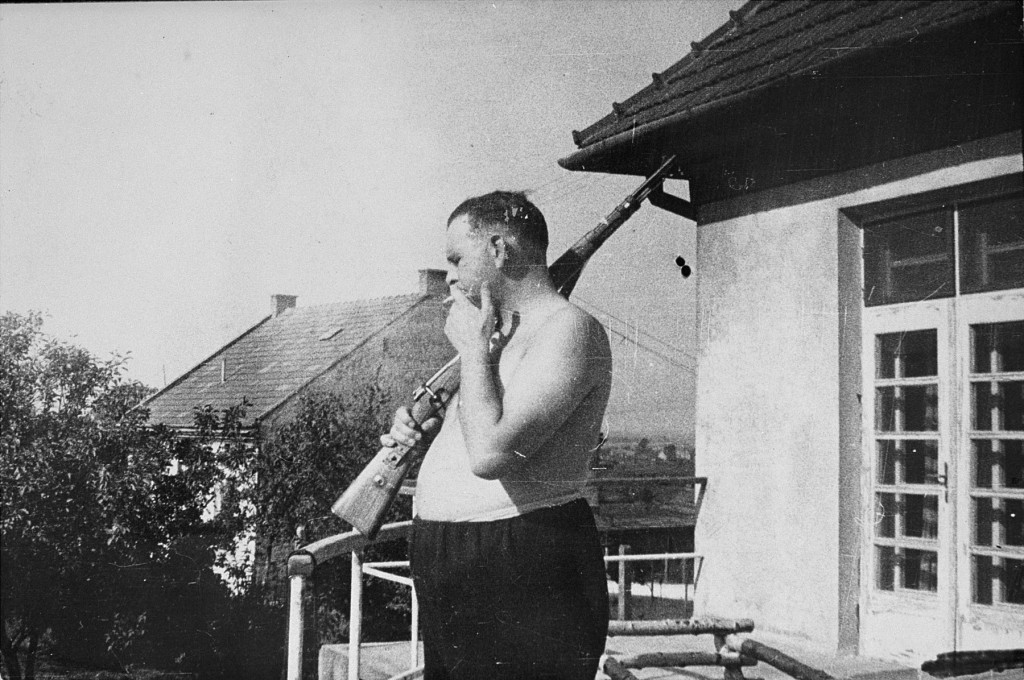
Nazi SS Officer Amon Göth, the infamous commandant of the Plaszow camp in German-occupied Poland, on the balcony of his home near the camp. Kraków, Poland, between February 1943 and September 1944.
Item View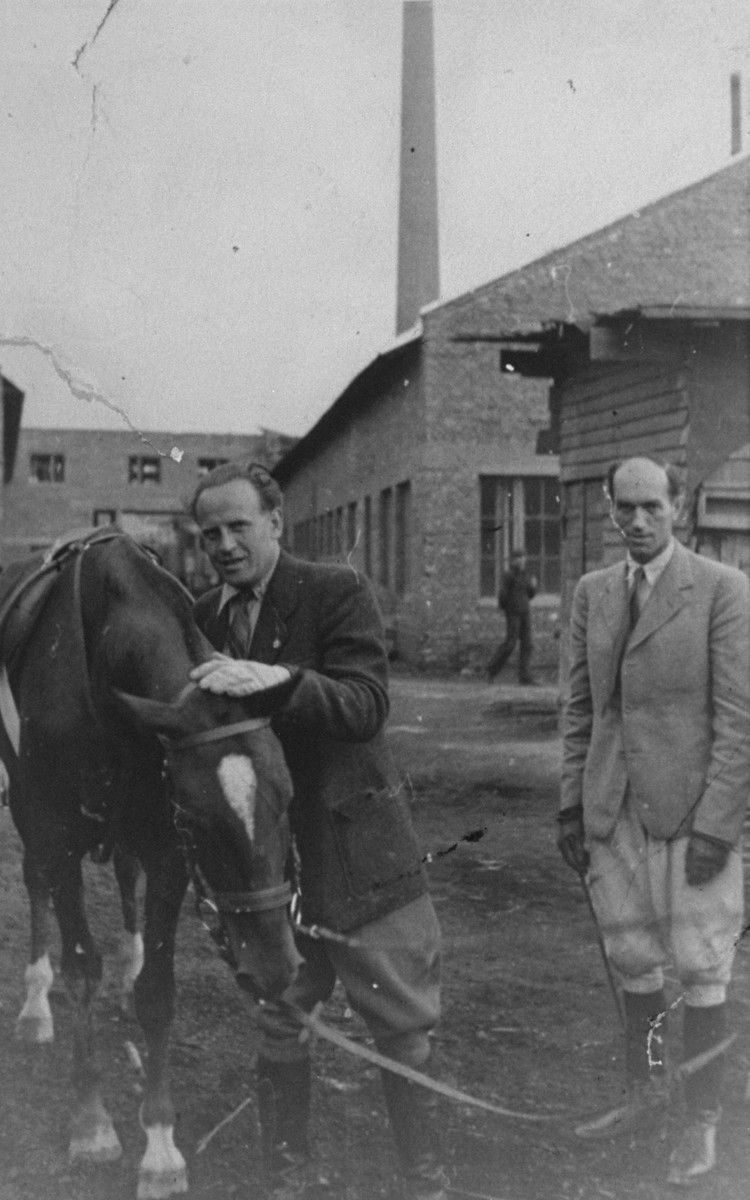
Oskar Schindler (left) at his enamelware factory in Zabłocie, a suburb of Kraków, in German-occupied Poland. As part of the German authorities' expropriation of property, Schindler took over the factory, which became known as "Emalia." At Emalia, Schindler employed Jewish forced laborers from the Kraków ghetto and the Plaszow forced labor camp. Eventually, a Plaszow subcamp was established on the factory complex grounds. At Emalia, Schindler treated his Jewish forced laborers well. Poland, 1943–1944.
Item View![Scene from one of Oskar Schindler's parties in Krakow. [LCID: 03384]](https://encyclopedia.ushmm.org/images/large/d5ee3bfc-d3a1-42b3-8b9c-0855ee17ca3b.jpeg "Scene from one of Oskar Schindler's parties in Krakow. [LCID: 03384]")
Businessman Oskar Schindler (second from left) at a party in German-occupied Kraków. Schindler, who was a member of the Nazi Party, regularly socialized with Nazi German officials in the city. He used these connections to enrich himself and to work around the German occupation authorities' rules and regulations. Eventually, Schindler also used these relationships as he attempted to help protect Jewish forced laborers in his factory. April 28, 1942, Kraków, Poland.
Item View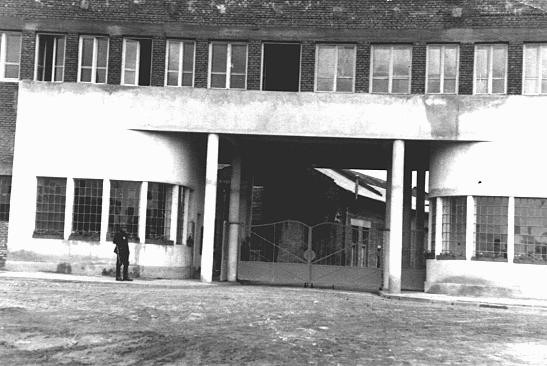
View of the entrance to Oskar Schindler's enamelware factory in German-occupied Kraków. As part of the German authorities' expropriation of property, Schindler took over the factory, which became known as "Emalia." At Emalia, Schindler employed Jewish forced laborers from the the Kraków ghetto and the Plaszow forced labor camp. Eventually, a Plaszow subcamp was established on the factory complex grounds. At Emalia, Schindler treated his Jewish forced laborers well. Poland, 1943–1944.
Item View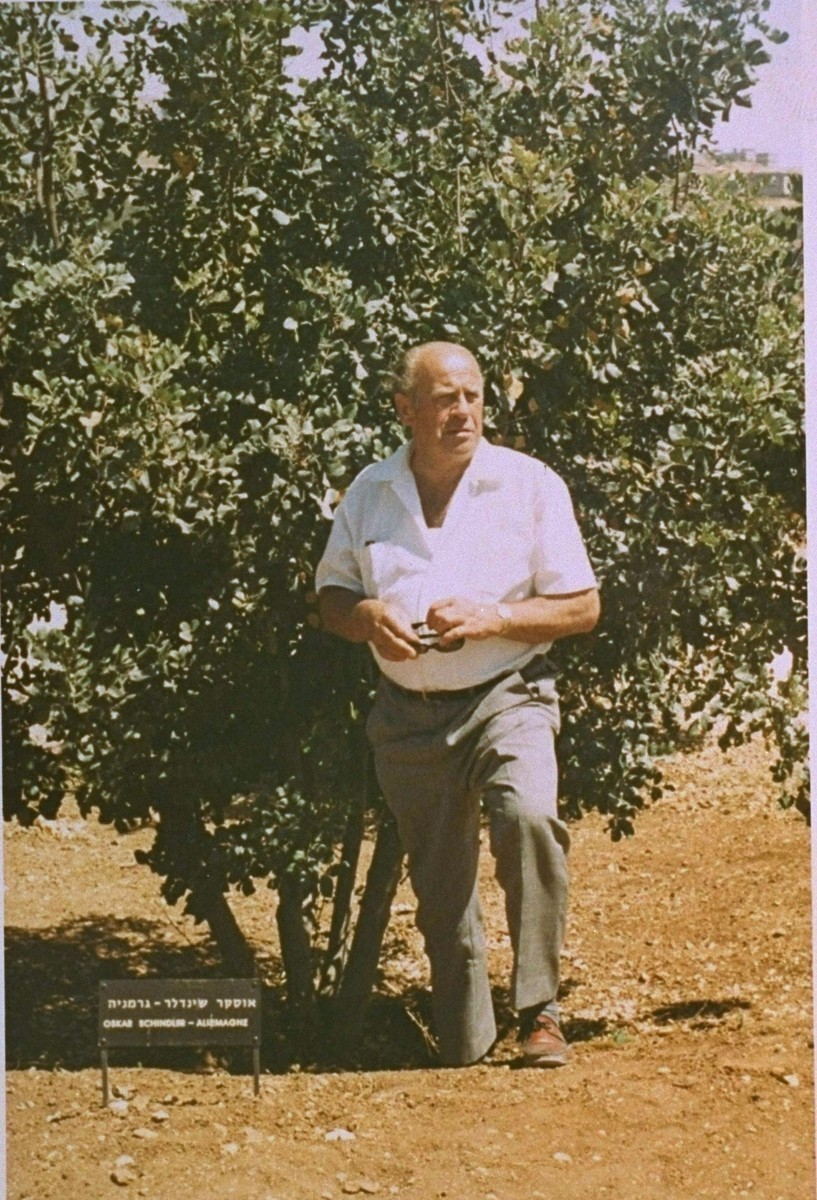
At Yad Vashem, the Israeli national institution of Holocaust commemoration, Oskar Schindler stands next to the tree planted in honor of his rescue efforts. Jerusalem, Israel, 1970.
Item ViewWe would like to thank Crown Family Philanthropies, Abe and Ida Cooper Foundation, the Claims Conference, and BMF for supporting the ongoing work to create content and resources for the Holocaust Encyclopedia. View the list of all donors.