
The Theresienstadt (Terezín) Ghetto
During the Holocaust, the Theresienstadt (Terezín) ghetto was a site of imprisonment for more than 140,000 Jews. Theresienstadt played several important roles in the Nazis’ persecution and murder of Jews. It simultaneously served as a transit ghetto and an old-age ghetto. In 1944, the Nazis used Theresienstadt as a deceptive propaganda tool to trick international observers.
Key Facts
-
1
Theresienstadt served as a transit ghetto for Czech Jews being deported by the Nazis from the Protectorate of Bohemia and Moravia to other ghettos, camps, killing sites, and killing centers.
-
2
The Nazi German authorities also used Theresienstadt as an old-age ghetto to imprison elderly German and Austrian Jews, along with certain other categories of Jews.
-
3
More than three-quarters of the Jewish prisoners sent to Theresienstadt died in the ghetto or after being deported from Theresienstadt to other sites.
The Theresienstadt (Terezín) ghetto was a site where Germans imprisoned Jews during the Holocaust. It was located in the Czech town of Terezín in the Protectorate of Bohemia and Moravia. The Theresienstadt ghetto existed from November 24, 1941, until its liberation in May 1945.
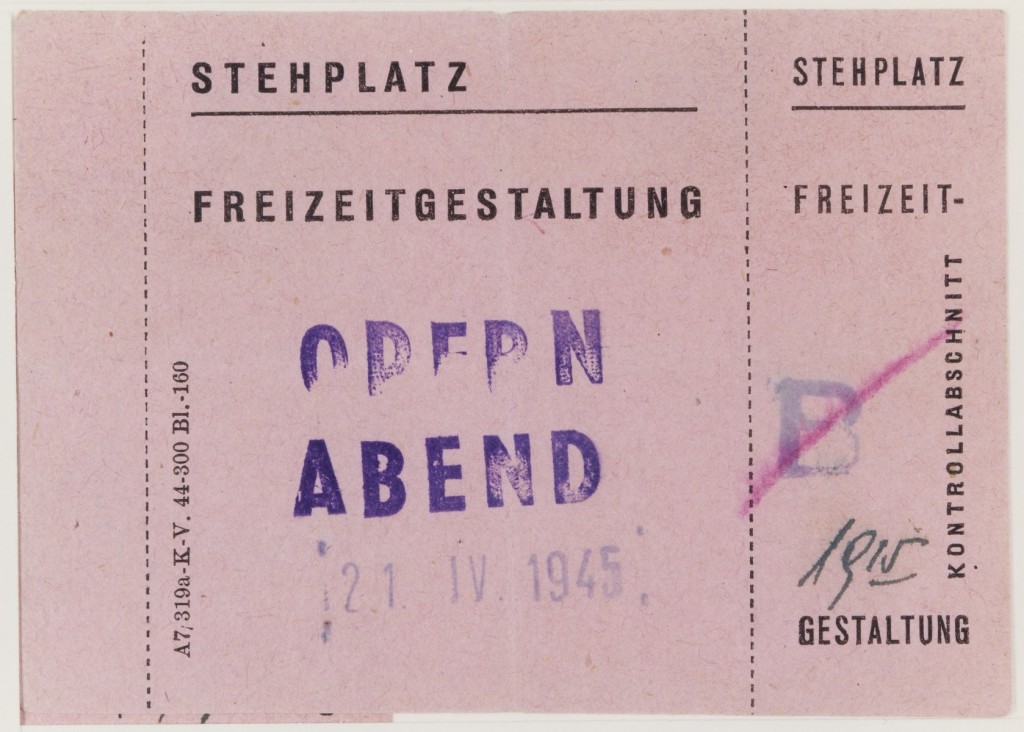
Theresienstadt was unlike any other site of imprisonment during the Holocaust. As a site of internment, it served multiple, unique purposes. It was a transit ghetto, where Czech Jews were temporarily held before their deportation. Theresienstadt also served as a special “ghetto for the elderly” (Altersghetto). As such, Nazi German authorities deported certain groups of German and Austrian Jews to Theresienstadt. These groups included the elderly; decorated World War I veterans; and certain well-known figures (such as artists and community leaders). In 1944, the Nazis used Theresienstadt as a propaganda tool to trick international observers. They even made a deceptive film that attempted to portray life in the Theresienstadt ghetto in a positive light.
Theresienstadt is often seen through the lens of Nazi propaganda and deception. Because of this, it is sometimes misunderstood as a mild or benign site of imprisonment. In fact, Theresienstadt was deadly. Between November 24, 1941, and April 20, 1945, about 140,000 Jews passed through the ghetto. Of these, few survived the Holocaust. About 34,000 died in the ghetto. SS authorities deported about 88,000 people from Theresienstadt to other ghettos, camps, killing sites, and killing centers in German-occupied eastern Europe. Of these, only 3,500 survived. In total, more than three-quarters of the Jewish prisoners sent to Theresienstadt died either in the ghetto or after deportation from Theresienstadt to other sites.
Location of the Theresienstadt (Terezín) Ghetto
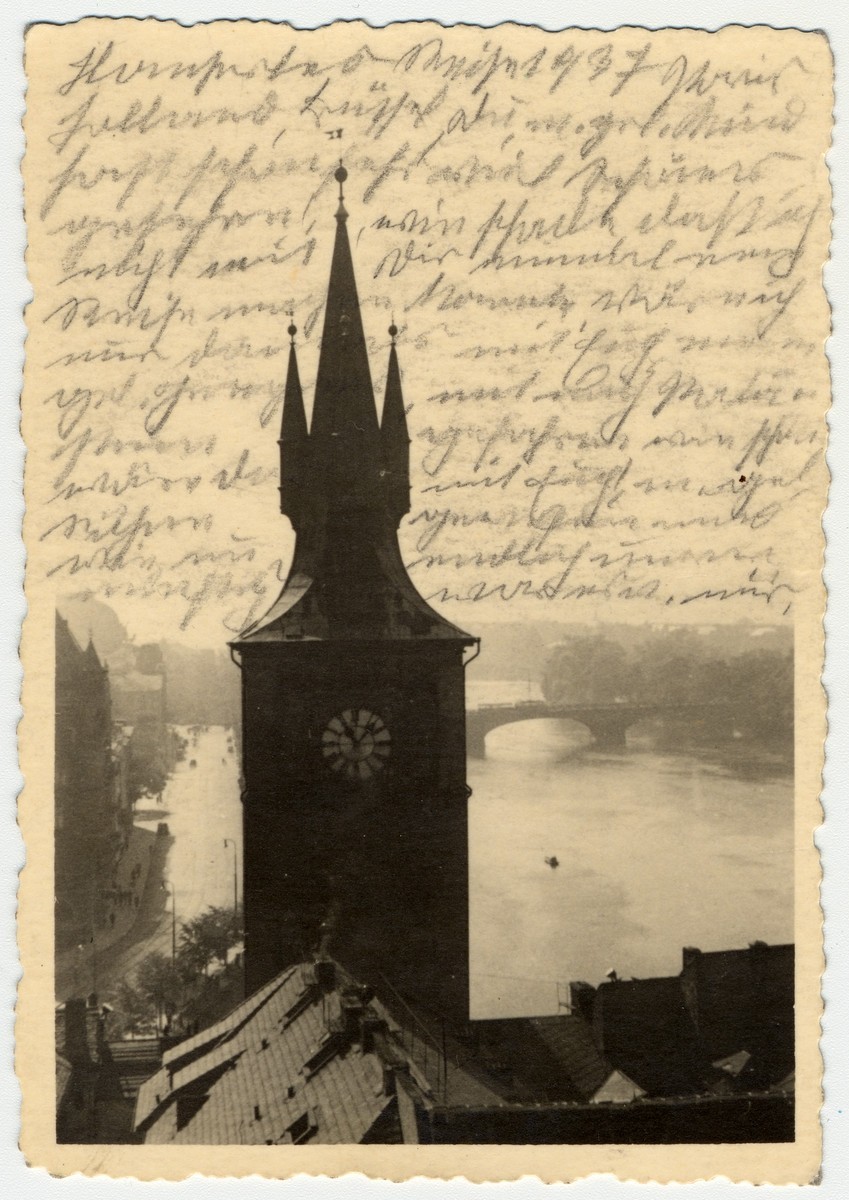
The Theresienstadt ghetto was located in the town of Terezín (Theresienstadt in German) in the Protectorate of Bohemia and Moravia. The Protectorate was a Nazi German administrative unit that governed the predominantly Czech parts of Czechoslovakia. It was established in March 1939 as part of the German dismemberment of Czechoslovakia. Theresienstadt was located about 32 miles north of Prague, the capital city.
Terezín was originally an Austrian fortress and garrison town established in the late-1700s. The town was shaped like a star and surrounded by a wall. It continued to serve as a minor military base throughout the 19th and early 20th centuries, even after the collapse of the Austro-Hungarian empire and the creation of Czechoslovakia.
Establishment of the Theresienstadt (Terezín) Ghetto
The Theresienstadt ghetto was established in late 1941. It was the culmination of more than two and a half years of Nazi anti-Jewish measures targeting Czech Jews.
Before Theresienstadt: Anti-Jewish Policies in the Protectorate, 1939–1941
Beginning in spring 1939, German authorities (with help from Czech collaborators) persecuted Czech Jews. They used laws and decrees to exclude Jews from the economy, confiscate Jewish-owned property, and limit Jews’ participation in public life. Nazi antisemitic policies became increasingly restrictive after World War II began in September 1939. In October 1941, German authorities began systematically deporting Jews from Nazi Germany and the Protectorate to sites in occupied eastern Europe. At this time, around 88,000 Jews were still living in the Protectorate.
Establishment of Theresienstadt
In fall 1941, Nazi authorities decided to turn the town of Theresienstadt into a transit ghetto. They would use this ghetto to facilitate the mass deportation of Czech Jews. The ghetto was officially established on November 24, 1941. That day, the first 342 Czech Jews arrived at Theresienstadt from Prague. This group of young, able-bodied men was tasked with preparing the ghetto’s infrastructure. More transports of Czech Jews followed shortly afterwards. The Jewish prisoners were housed in barracks. They were separated from the non-Jewish civilian population of Theresienstadt. These non-Jews were forced to leave in the first half of 1942 when the entire town became part of the ghetto.
Theresienstadt (Terezín): Transit Ghetto for Czech Jews
For the first six months, Czech Jews were the only prisoners of Theresienstadt. They built the ghetto’s infrastructure and administration.
Transports of Czech Jews to Theresienstadt
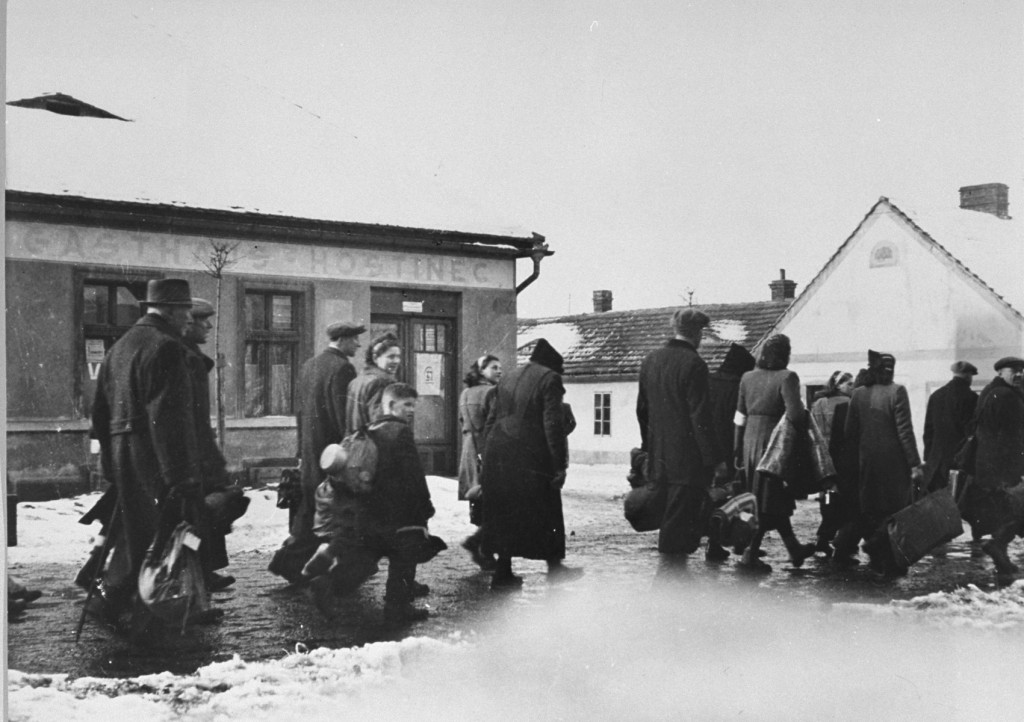
The systematic, mass transport of Czech Jews to the Theresienstadt ghetto began on November 30, 1941. Over the next several years, transports of Czech Jews arrived at Theresienstadt from Czech cities such as Brno, Prague, České Budějovice, Olomouc, Pardubice, Tábor, Plzeň, and many others.
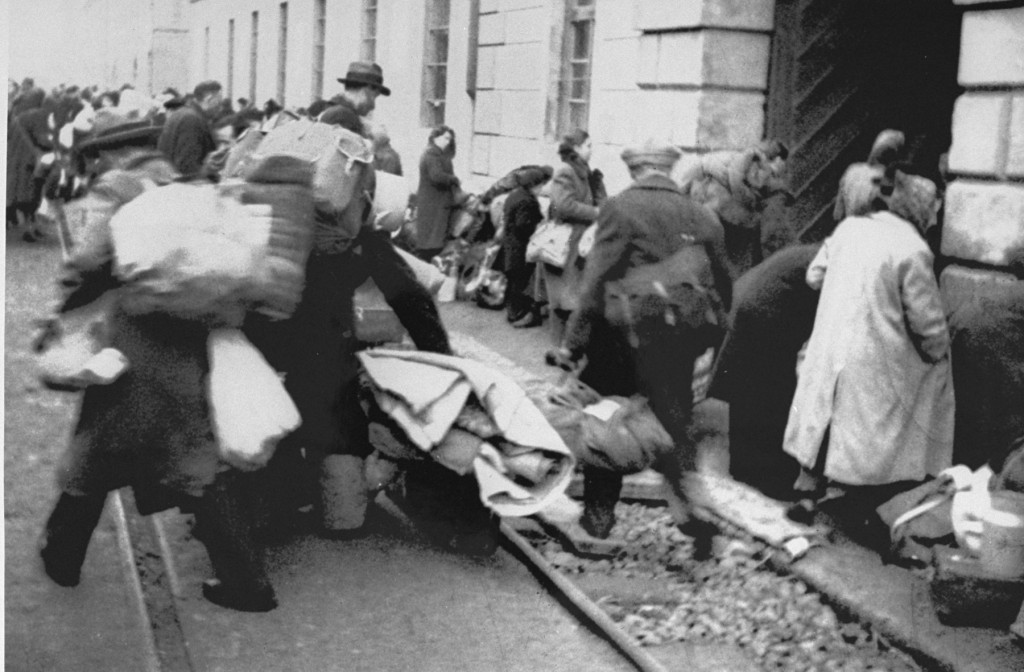
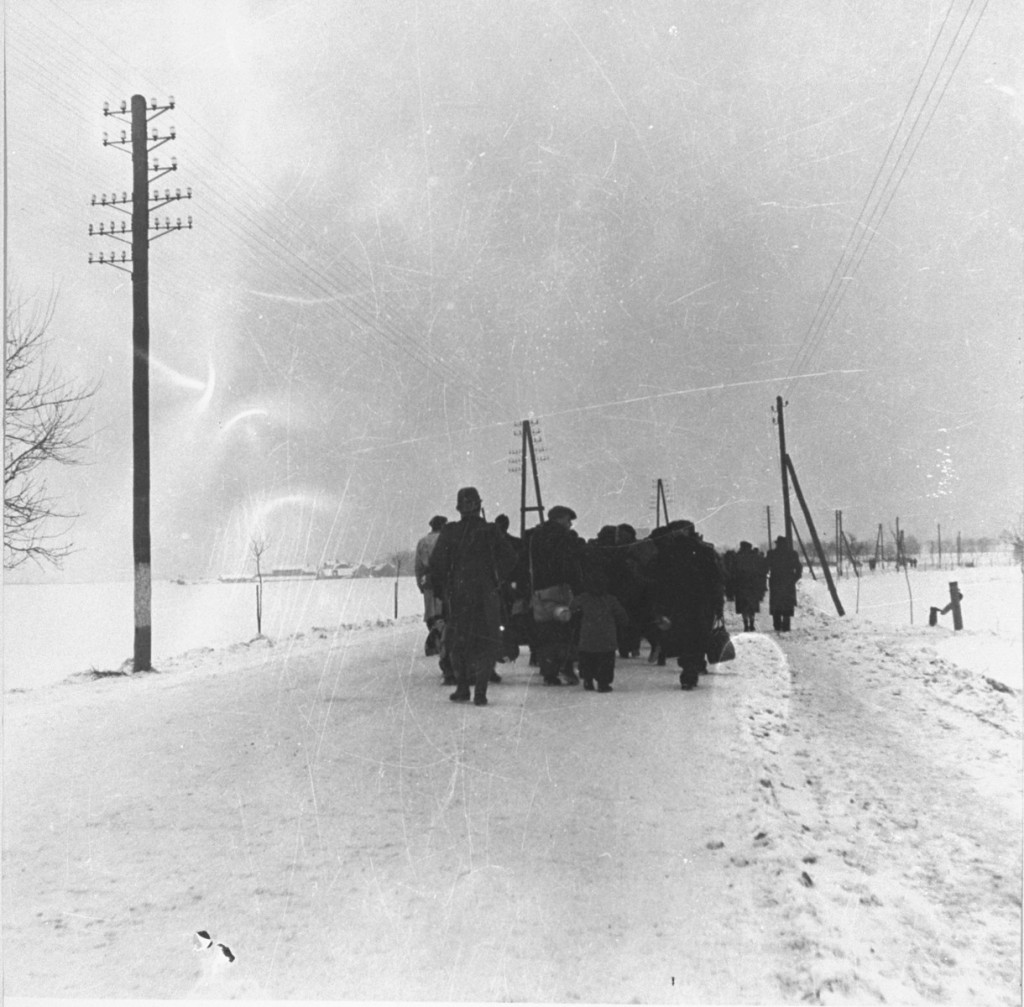
The process of rounding up and transporting Czech Jews to Theresienstadt followed a standardized process. Typically, Jewish families would receive a call-up notice. This notice would instruct them to report to a holding area, such as a school, gymnasium, or factory. Jews would be held at the designated reporting station for several days. Then they would be loaded onto a train, usually a third-class passenger car. That same day, the train would arrive at the Bohušovice (Bauschowitz in German) train station. This train station was over a mile away from Theresienstadt. For the first year and a half, the Jewish prisoners would usually be forced to walk the remaining distance. As of June 1943, a rail line reached the ghetto.
In total, from November 1941 to spring 1945, the German authorities sent nearly 74,000 Czech Jews to the Theresienstadt ghetto. From there, the Germans deported approximately 80 percent of these Czech Jews to ghettos, killing centers, killing sites, and camps in German-occupied eastern Europe. Few survived the Holocaust.
Czech Jews in the Long-Term Ghetto Population
Most Czech Jews sent to Theresienstadt were only there temporarily. However, a small Czech Jewish population of several thousand people lived in Theresienstadt for much longer: months or even years. The longer-term ghetto prisoners were mostly members of the ghetto’s Jewish administration and their families. Certain other categories of prisoners were exempt from deportation.
Theresienstadt (Terezín): Old-Age Ghetto for German and Austrian Jews
The Nazis also used Theresienstadt to imprison certain groups of German and Austrian Jews. Beginning in June 1942, German authorities deported about 58,000 German Jews from Nazi Germany to Theresienstadt. This included about 42,000 Jews from Germany (1937 borders); about 15,000 Jews from annexed Austria; and hundreds of Jews from annexed Luxembourg, Danzig, and the Sudetenland. The groups of Jews from Nazi Germany imprisoned in Theresienstadt included:
- elderly Jews, which the Nazis defined as Jews over the age of 65 as well as frail Jews over the age of 55 and their spouses;
- Jews who had previously been married to non-Jews (but were no longer married because of death or divorce);
- adults and certain teenagers who had been categorized as “Geltungsjude” under the Nuremberg Race Laws; and
- highly decorated or severely wounded World War I veterans, their spouses, and, sometimes, their children.
Later, the Nazis also imprisoned certain well-known Jewish people in Theresienstadt. This included German Jews who worked for the Reich Association of German Jews and others.
The vast majority of German and Austrian Jews sent to Theresienstadt were imprisoned there because of their age. Some elderly people were deported to the ghetto directly from old-age homes. About 3,000 Jews were deported to Theresienstadt because of their status as wounded or decorated veterans.
Deceiving the Jewish Victims
In some internal documents, the Nazi authorities referred to Theresienstadt as an old-age ghetto (Altersghetto). To German and Austrian Jews, Nazi officials often cynically and deceptively described Theresienstadt as a “spa town” or “retirement home” where elderly Jews could live out the remainder of their lives in relative comfort. They used various deceptive tactics to convince the deportees that Theresienstadt would be safe.
German and Austrian Jews in the Ghetto
The arrival of Jews from Germany and Austria created enormous tension within the existing ghetto community of Czech Jews. There were communication difficulties, power struggles, and strong resentments. Compared to most Czech Jews, German and Austrian Jews usually lived in Theresienstadt for a longer period of time. They remained there for months or even years.
Elderly German and Austrian Jews suffered greatly in the Theresienstadt ghetto. Because of their age and ill health, almost half died of starvation and starvation-related diseases. Tens of thousands of others were deported from the ghetto to their deaths.
Other Groups of Jewish Prisoners in Theresienstadt
In addition to Czech Jews and Jews from Germany and Austria, several other smaller groups of Jews were also imprisoned in Theresienstadt. These other groups began to arrive in 1943. From April 1943 to April 20, 1945, the following groups of Jews were deported to Theresienstadt:
- almost 5,000 Jews from the Netherlands;
- 1,260 Jewish children from the Białystok ghetto;
- 470 Jews from Denmark;
- more than 1,000 Jews from Hungary; and
- about 1,450 Jews from the Sered’ internment camp in Slovakia.
In late April and early May 1945, as the Nazis evacuated concentration camps, about 15,000 prisoners (mostly Jews) were transported to Theresienstadt by train or on foot.
Nazi Officials at Theresienstadt
Nazi German officials ran Theresienstadt under the auspices of the Reich Security Main Office (RSHA). An SS commandant oversaw the ghetto and a small staff of SS men. The commandant of Theresienstadt reported directly to SS officer Hans Günther, the leader of the Central Office for Jewish Emigration in Prague (Zentralstelle für jüdische Auswanderung in Prag). Günther, in turn, reported to Adolf Eichmann, the leader of the “Jewish Department” (Judenreferat, officially department IV B 4 of the Reich Security Main Office). Eichmann made frequent visits to Theresienstadt. Theresienstadt was also under the authority of SS officer Karl Hermann Frank, the Higher SS and Police Leader in Prague.
There were three commandants of Theresienstadt:
- SS officer Siegfried Seidl from November 1941 until July 3, 1943;
- SS officer Anton Burger from July 3, 1943, until February 1944; and
- SS officer Karl Rahm, from February 1944 until the SS abandoned the camp in May 1945.
All three men were originally from Austria. They all had close ties to Eichmann and previous experience carrying out Nazi anti-Jewish policies. Most prisoners of Theresienstadt had no contact with the Germans.
The Czech Guard at Theresienstadt
A special unit of the Czech gendarmerie (a type of law enforcement) guarded the perimeter of the Theresienstadt ghetto. Between 120 and 150 Czech gendarmes served at Theresienstadt at any given moment. The gendarmes were Czech, but their leaders were ethnic Germans. Gendarmerie Captain Theodor Janeček commanded the Special Detachment from November 1941 until the end of August 1943. Gendarmerie Lieutenant Miroslav Hasenkopf replaced him. To prevent sustained contact between the Jewish prisoners and the Czech guards, the SS ordered the gendarmerie to rotate personnel frequently.
The Jewish Council of Elders at Theresienstadt

The Germans used a Jewish Council of Elders (Ältestenrat) to administer Theresienstadt. The composition of the Jewish Council of Elders changed over time. The first Jewish Council of Elders arrived on December 4, 1941, shortly after the construction commando. The Jewish Council of Elders was completely beholden to the German authorities. They were forced to implement German orders and carry out deportations. Over time, the Jewish Council of Elders oversaw a vast internal bureaucracy. Within the limits set by the Germans, the Jewish Council of Elders shaped the lives of the ghetto’s residents.
Chairmen of the Jewish Council of Elders
The leader of Theresienstadt’s Jewish Council of Elders was called the Jewish elder (Judenältester) or the chairman. Between 1941 and 1945, Theresienstadt had three chairmen:
- Jakob Edelstein, a Czech Jew from Prague, served as chairman from December 1941 until January 1943, when he was demoted to deputy;
- Paul Eppstein, a German Jew from Berlin, served as chairman from January 1943 until his murder in September 1944; and
- Benjamin Murmelstein, an Austrian Jew from Vienna, served as chairman from September 1944 until May 1945.
The Jewish Council of Elders’ Role as the Ghetto’s Administrators
The Jewish Council of Elders oversaw the ghetto’s administration. The Jewish administration of Theresienstadt had multiple departments. The administration coordinated housing assignments, distribution of rations, forced labor assignments, recreation activities, and deportation lists. The Council also oversaw an elaborate system of exemptions, favors, and privileges that shaped life in the ghetto.
Deportations from Theresienstadt, 1942–1944
Nazi German authorities deported about 88,000 Jews from Theresienstadt to other ghettos, as well as to camps, killing sites, and killing centers. Only a few thousand of these deportees survived the Holocaust.
Coordinating the Transports
Nazi German authorities from Eichmann’s Office IV B 4 of the Reich Security Main Office determined when transports would leave, how many Jews would be on board, and where the transports would go. This office also usually determined what type of Jewish prisoners should be included on the transport. However, Nazi authorities did not choose the names of the people on the deportation lists. This was the job of the Jewish administration. The Jewish administration also coordinated within the ghetto all the logistical matters of the deportations. The Jewish administration prioritized keeping family units together.
The First Deportations of Czech Jews from Theresienstadt, January–May 1942
For Czech Jews, Theresienstadt was primarily a transit ghetto. This meant that most Czech Jews remained in Theresienstadt for only a short period of time—days or weeks—before Nazi authorities deported them to another location. Deportations from Theresienstadt began on January 9, 1942, with a transport of Czech Jews to the Riga ghetto in German-occupied Latvia. Afterwards, in spring 1942, Czech Jews were deported primarily to ghettos in the General Government (part of German-occupied Poland). In these ghettos, Czech Jews faced harsh conditions. Almost all of those who survived the rampant disease and starvation were later murdered, usually in killing centers.
Deportations to Killing Sites and Killing Centers, Summer–Fall 1942
Beginning in the summer of 1942, German authorities deported Jews from Theresienstadt directly to killing sites and killing centers. This included transports to the Maly Trostenets killing site near Minsk in German-occupied Soviet Belarus and to the Treblinka killing center. At first, these transports mostly comprised Czech Jews, with much smaller numbers of German and Austrian Jews. Beginning in late September, the Nazis deported a significant number of German and Austrian Jews from Theresienstadt.
In September–October 1942, Nazi German authorities deported approximately 16,000 elderly Jews to the Treblinka killing center. None survived.
Deportations to Auschwitz Begin, October 1942
On October 26, 1942, the first transport to the Auschwitz-Birkenau killing center left Theresienstadt. From that point on, all major transports from Theresienstadt were destined for Auschwitz. Five transports of mostly Czech Jews left the ghetto between January 20 and February 1, 1943. Many of those deported had spent a week or less in Theresienstadt. Most were murdered upon arrival at Auschwitz. After these transports, German authorities temporarily paused deportations from the ghetto.
The Theresienstadt Family Camp at Auschwitz-Birkenau, September 1943–July 1944
Deportations from Theresienstadt to Auschwitz resumed in early September 1943. For unknown reasons, SS authorities at Auschwitz-Birkenau created a special “family camp” (Familienlager). In three waves in September 1943, December 1943, and May 1944, the SS deported more than 17,000 Jews from Theresienstadt. Unlike most transports to Auschwitz, groups sent from Theresienstadt to the family camp did not undergo selection. Instead, prisoners of all ages were registered in the camp and housed in a separate area of Auschwitz-Birkenau designated Section BIIb. It is commonly called the Czech camp (Tschechenlager) or the Theresienstadt family camp.
Conditions in Section BIIb shocked prisoners from Theresienstadt, but they were better than conditions in other parts of Auschwitz-Birkenau. Men, women, and children could see each other (although they slept in separate barracks). While prisoners did receive tattoos of their prisoner numbers, they wore civilian clothes instead of uniforms. Still, thousands of prisoners died from disease and starvation in the family camp. In the end, the prisoners there were not spared mass murder. In two phases in March and July 1944, the SS murdered most of the Jews imprisoned there in the gas chambers.
“Liquidation Transports,” September–October 1944
The last major transports from Theresienstadt took place in late September–October 1944. During those months, Nazi German authorities deported more than 18,000 people from Theresienstadt to Auschwitz on a series of 11 transports. These included thousands of Jewish prisoners who had previously been exempt from deportation, such as members of the Jewish ghetto administration. After these transports, about 11,000 Jews remained imprisoned in Theresienstadt at the end of October 1944. Because of their extent and scale these transports are often called the “liquidation transports.”
Daily Life in the Theresienstadt Ghetto
Daily life in the Theresienstadt ghetto was shaped by the Jewish Council of Elders and its bureaucracy, the ghetto administration. The ghetto administration allocated housing, food, medicine, and other resources to Theresienstadt’s prisoners. It gave out labor assignments and hosted cultural events. The administration determined each prisoner’s status within the ghetto based on their age, nationality, previous occupation, personal connections, seniority, and health. Young, healthy people were given access to more and better resources. In turn, the elderly and the ill suffered deprivation, resulting in a high mortality rate.
Housing
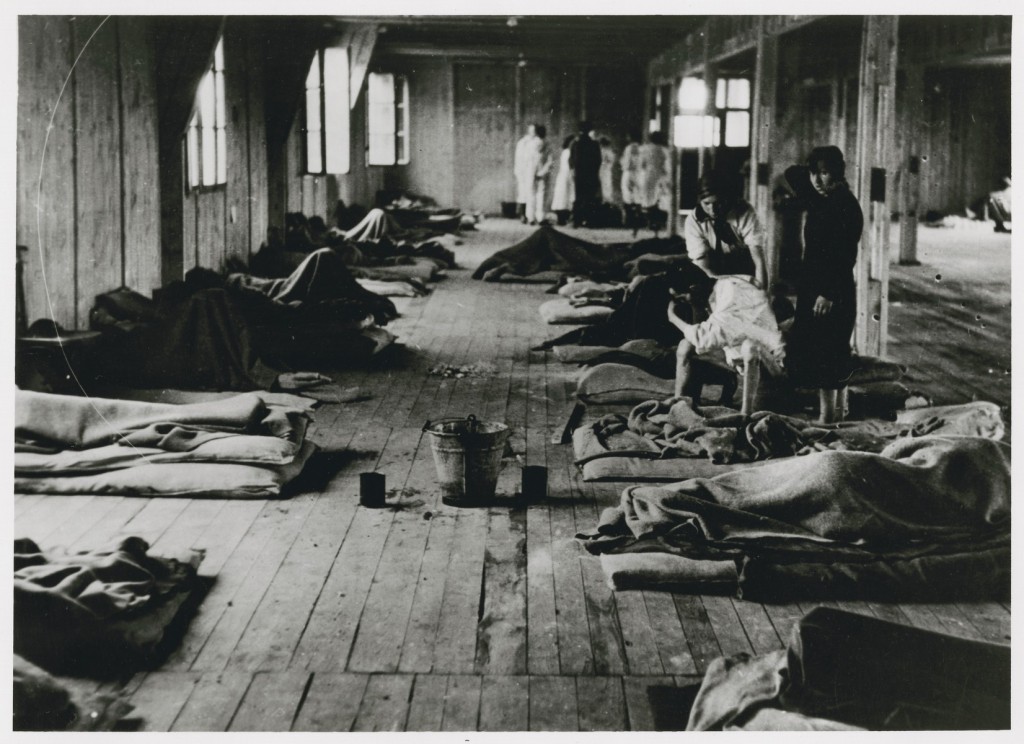
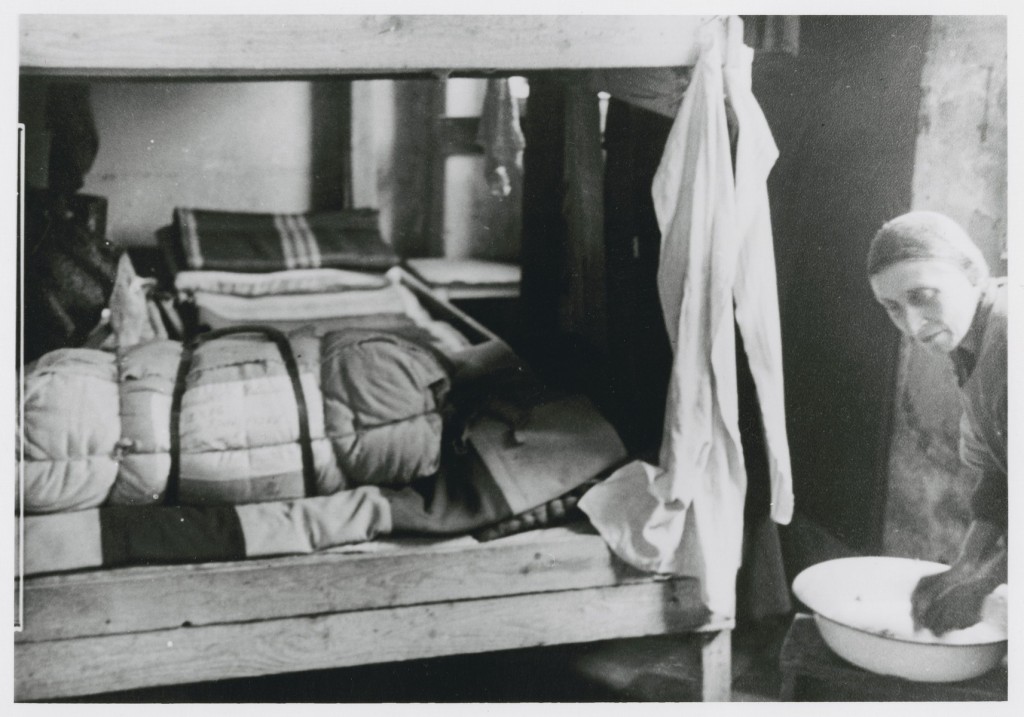
The ghetto was overcrowded. Adequate housing was often in short supply. There were several forms of housing in the Theresienstadt ghetto. Most prisoners lived in barracks (called Kasernen) or in small houses confiscated from the town’s former residents. Usually, the living quarters were separated by gender. This meant that most prisoners of Theresienstadt did not live with their family members. However, a few hundred prominent prisoners were assigned special accommodations, where they could live alone or with their families. There was also separate housing for children. Youth homes and barracks were overseen by the youth welfare department of the Jewish administration.
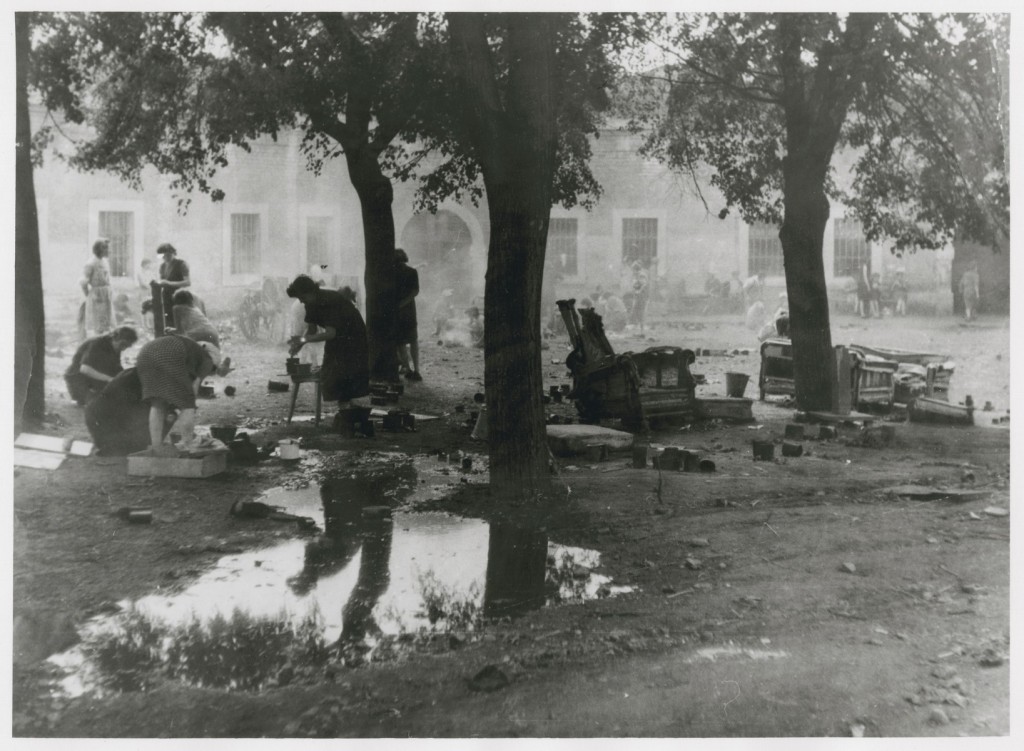
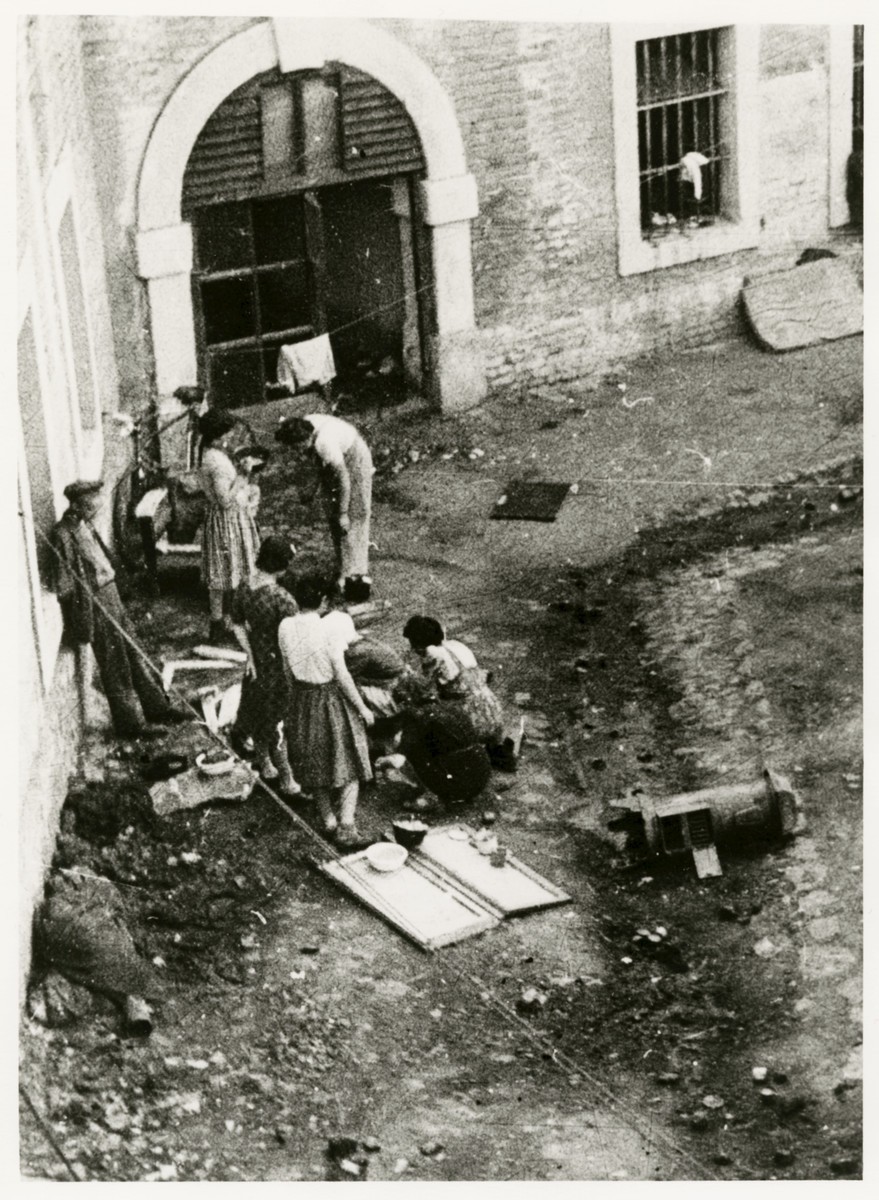
The space management office (Gebäudeleitung) of the Jewish administration assigned each prisoner’s residence. Their assignment was directly related to their status within the ghetto population. For the first year, housing in Theresienstadt was primitive. Some prisoners slept on the floor. In the summer of 1942, elderly German and Austrian Jews were forced to live in attics without running water.
Those who could not live with their families usually managed to see each other regularly. They could meet up for meals or social events.
Food
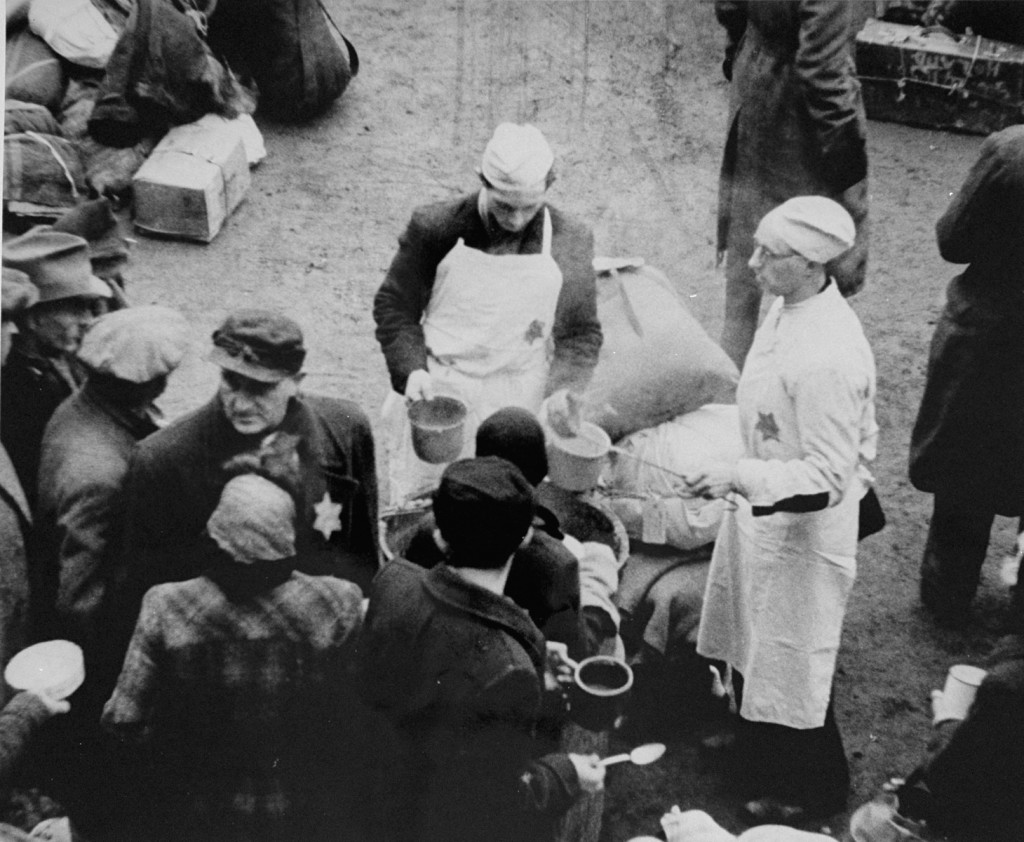
The ghetto administration coordinated the distribution of food through the ghetto’s kitchens and food rations. Though the German authorities provided food for Theresienstadt, it was not enough to sustain the ghetto’s entire population. It was generally of low quality and nutritional value. Many prisoners supplemented their diet with food parcels from relatives or aid organizations outside of the ghetto. Rations were allotted based on a prisoner’s status within the ghetto. Notably, the ghetto administration prioritized feeding workers and children. This left the elderly more vulnerable to disease and starvation. Many died as a result.
Medicine
The ghetto administration’s health services department was responsible for medical care in the Theresienstadt ghetto. The staff of this department treated individuals for a variety of illnesses, ailments, and injuries. They also oversaw public health measures in the ghetto. The ghetto’s clinics, infirmaries, and hospitals were supplied with equipment from defunct Jewish hospitals in the Protectorate. They were staffed by Jewish doctors and nurses imprisoned in the ghetto. Nazi authorities feared epidemics, and they wanted to present Theresienstadt as a model ghetto. For these reasons, they kept the ghetto supplied with a wide variety of medicines.
Even with surprisingly good medical care, the death rate in Theresienstadt was high, especially for the elderly. This was largely the result of starvation. In total, about 34,000 Jews died in the Theresienstadt ghetto of disease, starvation, and other causes. In summer 1942, a crematorium was installed at Theresienstadt to burn the bodies of those who died in the ghetto.
Work
Most of the prisoners in Theresienstadt were assigned to labor details by the central labor department. Prisoner labor ran the ghetto. Some prisoners worked in ghetto workshops responsible for tasks such as carpentry, shoemaking, or tailoring. Others cooked in the ghetto’s kitchens; performed road or railroad work; cleaned the barracks and common rooms; washed clothes in the laundry; worked in the ghetto's vegetable gardens; or served as nurses, doctors, or orderlies. Still others were responsible for facilitating the arrival and departure of transports from the ghetto.
Cultural Life
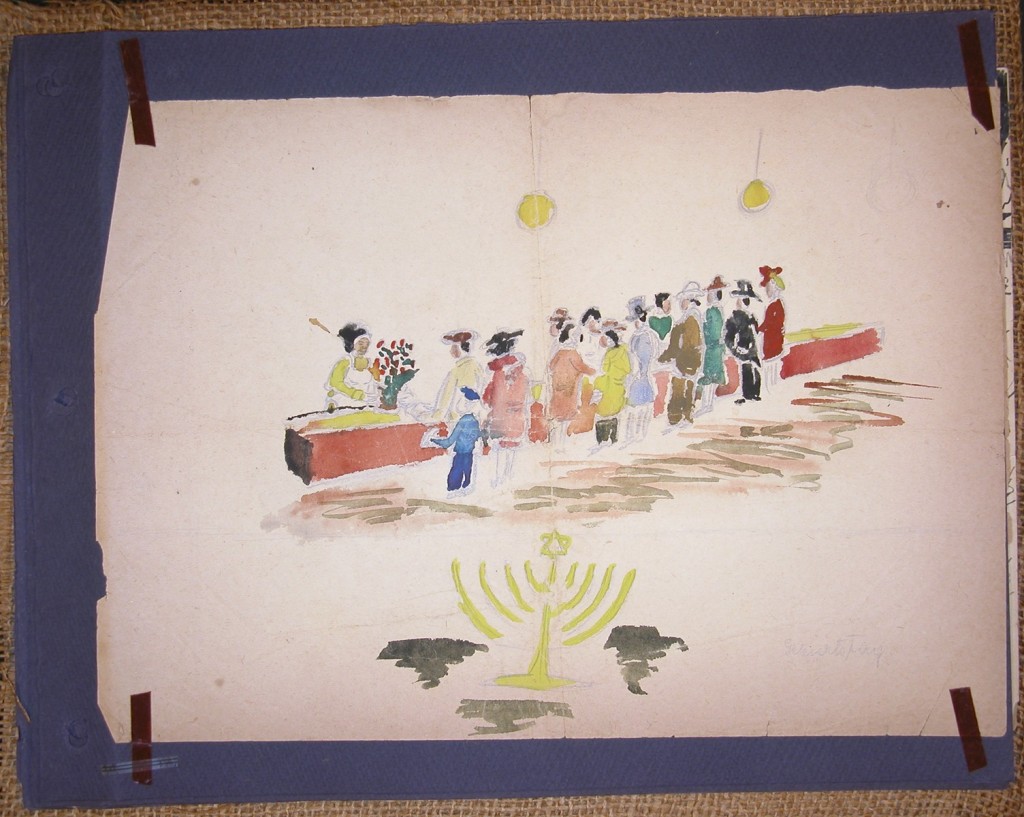
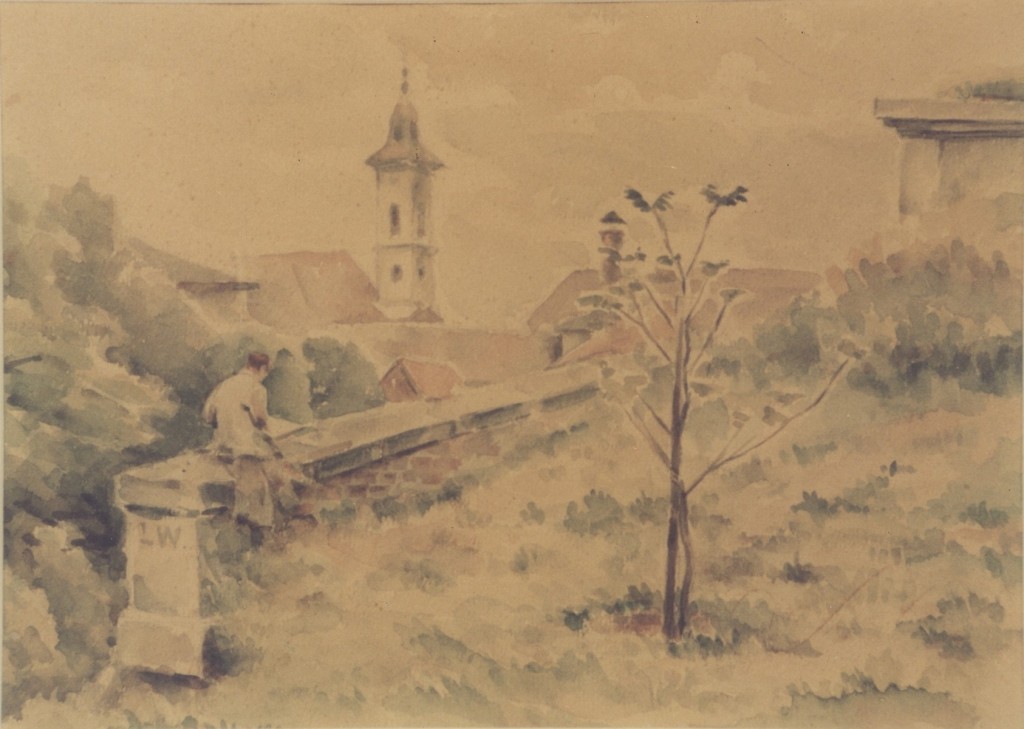
The Theresienstadt ghetto is well-known for its cultural life. Beginning in 1942, the recreation department of the Jewish administration coordinated educational activities, cultural events, sporting competitions, and religious celebrations. Some Jews imprisoned in Theresienstadt were outstanding artists, who continued to create art and perform in the ghetto. Writers, professors, musicians, and actors gave lectures, concerts, and theater performances. Artists created drawings and paintings. Some of this art secretly depicted the harsh reality of life in the ghetto.
Nazi Deception at Theresienstadt in 1944
In summer 1944, Theresienstadt served a new purpose as a tool of Nazi propaganda to trick international observers. They even made a deceptive film that attempted to portray life in the Theresienstadt ghetto in a positive light.
On June 23, 1944, three international representatives visited Theresienstadt from the International Committee of the Red Cross (ICRC), the Danish Red Cross, and the Danish government. In preparation for the visit, the Germans ordered that the inmates carry out an elaborate “beautification” project to transform the ghetto. They forced the inmates to create a music pavilion, decorative signs, a playground, and a theater. Barbed wire fences were removed. These changes were part of an elaborate hoax, intended to deceive the international observers into believing that conditions in Theresienstadt were good.
In advance of the visit, the Germans deported about 7,500 Jews from Theresienstadt to Auschwitz. The goal was to make the ghetto appear less overcrowded. During the delegation’s visit, the Nazis staged social and cultural events featuring the inmates as performers.
Afterwards, the Nazis created a propaganda film about Theresienstadt. Filming in the ghetto took place in August–September 1944. Theresienstadt prisoner Kurt Gerron wrote and directed the film. Gerron was a famous German Jewish actor and director. He had been deported to Theresienstadt earlier in 1944. It was filmed by cameramen from the Prague-based firm Aktualita. It purported to show life in the ghetto, including a soccer match, theater performances, and daily life. The film did not show the harsh reality of life in Theresienstadt.
After filming was complete, the SS resumed deportations from the ghetto. Beginning on September 28, 1944, the SS deported approximately 18,000 Jews from Theresienstadt to Auschwitz. Many of those who appeared in the film were deported. The last transport to Auschwitz left Theresienstadt on October 28, 1944. Afterwards, approximately 11,000 Jews remained in the ghetto.
The Last Months of Theresienstadt
In the spring of 1945, as the war in Europe came to an end, events in Theresienstadt reflected the desperate position of Nazi leaders as the Nazi regime collapsed.
Deportations of Jews to Theresienstadt, Late 1944–Early 1945
In late 1944 and early 1945, thousands of Jews were deported to Theresienstadt. Among them were Hungarian Jews sent from forced labor sites to Theresienstadt as part of negotiations between a Jewish aid organization and the SS. In this period, Slovak Jews were also sent to Theresienstadt from the Sered’ internment camp in Slovakia. Finally, the Nazis deported Jews in mixed marriages to Theresienstadt from Nazi Germany and from the Protectorate of Bohemia and Moravia.
Release of Certain Prisoners, Spring 1945
In 1945, SS chief Heinrich Himmler and other SS leaders hoped to use the surviving Jewish prisoners at Theresienstadt as a bargaining chip for opening negotiations with the western powers. In early 1945, the SS negotiated the release of 1,210 Theresienstadt prisoners in exchange for five million Swiss francs. This group left Theresienstadt on February 5 and reached safety in neutral Switzerland on February 6. Then, on April 15, after different negotiations, the SS permitted Swedish Red Cross personnel to rescue 423 Jews, most of whom were from Denmark.
Arrival of Concentration Camp Prisoners at Theresienstadt
Beginning on April 20, about 15,000 concentration camp prisoners arrived at the Theresienstadt ghetto. The SS had evacuated these prisoners from numerous concentration camps as Allied forces approached. Most, but not all, were Jewish.
Liberation of Theresienstadt
In spring 1945, the International Committee of the Red Cross (ICRC) made several visits to the Theresienstadt ghetto. In early May, the ICRC took over the ghetto administration. SS Commandant Rahm and the rest of the SS fled the ghetto. Eventually, Soviet forces took control of the area and of the administration of the former ghetto. At the time, the total number of prisoners in the camp exceeded 30,000, of whom nearly 17,000 had been there before April 20.
Postwar Trials
After the war, authorities prosecuted several members of the SS staff at Theresienstadt. Commandants Seidl and Rahm were convicted and sentenced to death. Commandant Burger escaped. He lived in Germany under false names until his death in December 1991. Of the Czech gendarmerie commanders, Theodor Janeček died in prison awaiting trial in 1946. A Czech court in Litoměřice found Miroslav Hasenkopf guilty of treason and sentenced him to 15-years' imprisonment. Hasenkopf died in prison in 1951.
Number of Victims
Of the approximately 140,000 Jews transferred to Theresienstadt before April 20, 1945, about 88,000 were deported to other ghettos, killing sites, and killing centers. Of these, all but about 3,500 were murdered. Additionally, about 34,000 Jews died in Theresienstadt itself. Beginning on April 20, 1945, about 15,000 concentration camp prisoners, most of whom were Jews, arrived at the Theresienstadt ghetto. This brings the total number of prisoners of the ghetto to about 155,000.
More than three-quarters of the Jewish prisoners sent to Theresienstadt died in the ghetto or after deportation from Theresienstadt to other sites.
Footnotes
-
Footnote reference1.
This statistic refers to the approximately 140,000 Jews deported to the Theresienstadt ghetto between November 24, 1941, and April 20, 1945. In addition to these Jewish prisoners, approximately 15,000 concentration camp prisoners were evacuated to Theresienstadt in the last weeks of World War II. Most, but not all, of these prisoners were Jewish. When this group of 15,000 is added to the 140,000 Jews who were sent to Theresienstadt before April 20, the total number of prisoners of the ghetto reaches about 155,000.
-
Footnote reference2.
The Nuremberg Race Laws categorized people who had one or two Jewish grandparents as “Mischlinge,” meaning “mixed-race persons.” However, according to the law, certain people with two Jewish grandparents were considered “Geltungsjuden,” meaning that they counted as Jewish.
Critical Thinking Questions
What was the role of Theresienstadt in the Nazi strategy of deception? How was it different from other camps and ghettos?
Did other sites of internment have multiple purposes? If so, what were they?
Investigate the artwork produced in such extreme circumstances. What can we learn about the prisoners from these creations?
Euphemisms are mild or indirect words or expressions substituted for ones considered to be too harsh or blunt. They can hide dangerous or illegal behavior. What expressions did the Nazis use to disguise their intentions or policies?
Review the visit to this camp by the delegation of the Danish government, the Danish Red Cross, and International Committee of the Red Cross. How and why was the reality of the camp disguised from them?