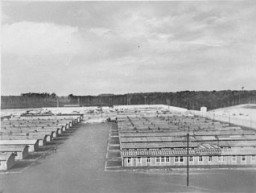
Blanka Fischer Rothschild (1922–2010) grew up as an only child in a close-knit, affluent Jewish family in Łódź, Poland. Her father died in 1937. A few months after the German invasion of Poland in September 1939, Blanka, her mother, Anna, and other relatives were imprisoned in the Łódź ghetto. Blanka and her mother remained in the ghetto for more than four years. During the liquidation of the ghetto in August 1944, they managed to escape transport to Auschwitz. In fall 1944, they were deported to the Ravensbrück concentration camp. They were then sent to a subcamp of Sachsenhausen, where Blanka worked in an airplane factory in Wittenberg. Her mother was sent to a different camp. Soviet forces liberated Blanka in spring 1945. Blanka made her way back to Łódź, hoping to find living relatives. None of her relatives, including her mother, survived. Blanka immigrated to the United States in 1947.
Blanka Fischer Rothschild (1922–2010) grew up as an only child in a close-knit, affluent Jewish family in Łódź, Poland. Her father died in 1937. A few months after the German invasion of Poland in September 1939, Blanka, her mother, Anna, and other relatives were imprisoned in the Łódź ghetto. Blanka and her mother remained in the ghetto for more than four years. During the liquidation of the ghetto in August 1944, they managed to escape transport to Auschwitz. In fall 1944, they were deported to the Ravensbrück concentration camp. They were then sent to a subcamp of Sachsenhausen, where Blanka worked in an airplane factory in Wittenberg. Her mother was sent to a different camp. Soviet forces liberated Blanka in spring 1945. Blanka made her way back to Łódź, hoping to find living relatives. None of her relatives, including her mother, survived. Blanka immigrated to the United States in 1947.
Item ViewBlanka Fischer Rothschild (1922–2010) grew up as an only child in a close-knit, affluent Jewish family in Łódź, Poland. Her father died in 1937. A few months after the German invasion of Poland in September 1939, Blanka, her mother, Anna, and other relatives were imprisoned in the Łódź ghetto. Blanka and her mother remained in the ghetto for more than four years. During the liquidation of the ghetto in August 1944, they managed to escape transport to Auschwitz. In fall 1944, they were deported to the Ravensbrück concentration camp. They were then sent to a subcamp of Sachsenhausen, where Blanka worked in an airplane factory in Wittenberg. Her mother was sent to a different camp. Soviet forces liberated Blanka in spring 1945. Blanka made her way back to Łódź, hoping to find living relatives. None of her relatives, including her mother, survived. Blanka immigrated to the United States in 1947.
Item ViewBlanka Fischer Rothschild (1922–2010) grew up as an only child in a close-knit, affluent Jewish family in Łódź, Poland. Her father died in 1937. A few months after the German invasion of Poland in September 1939, Blanka, her mother, Anna, and other relatives were imprisoned in the Łódź ghetto. Blanka and her mother remained in the ghetto for more than four years. During the liquidation of the ghetto in August 1944, they managed to escape transport to Auschwitz. In fall 1944, they were deported to the Ravensbrück concentration camp. They were then sent to a subcamp of Sachsenhausen, where Blanka worked in an airplane factory in Wittenberg. Her mother was sent to a different camp. Soviet forces liberated Blanka in spring 1945. Blanka made her way back to Łódź, hoping to find living relatives. None of her relatives, including her mother, survived. Blanka immigrated to the United States in 1947.
Item ViewBlanka Fischer Rothschild (1922–2010) grew up as an only child in a close-knit, affluent Jewish family in Łódź, Poland. Her father died in 1937. A few months after the German invasion of Poland in September 1939, Blanka, her mother, Anna, and other relatives were imprisoned in the Łódź ghetto. Blanka and her mother remained in the ghetto for more than four years. During the liquidation of the ghetto in August 1944, they managed to escape transport to Auschwitz. In fall 1944, they were deported to the Ravensbrück concentration camp. They were then sent to a subcamp of Sachsenhausen, where Blanka worked in an airplane factory in Wittenberg. Her mother was sent to a different camp. Soviet forces liberated Blanka in spring 1945. Blanka made her way back to Łódź, hoping to find living relatives. None of her relatives, including her mother, survived. Blanka immigrated to the United States in 1947.
Item ViewBlanka Fischer Rothschild (1922–2010) grew up as an only child in a close-knit, affluent Jewish family in Łódź, Poland. Her father died in 1937. A few months after the German invasion of Poland in September 1939, Blanka, her mother, Anna, and other relatives were imprisoned in the Łódź ghetto. Blanka and her mother remained in the ghetto for more than four years. During the liquidation of the ghetto in August 1944, they managed to escape transport to Auschwitz. In fall 1944, they were deported to the Ravensbrück concentration camp. They were then sent to a subcamp of Sachsenhausen, where Blanka worked in an airplane factory in Wittenberg. Her mother was sent to a different camp. Soviet forces liberated Blanka in spring 1945. Blanka made her way back to Łódź, hoping to find living relatives. None of her relatives, including her mother, survived. Blanka immigrated to the United States in 1947.
Item ViewBlanka Fischer Rothschild (1922–2010) grew up as an only child in a close-knit, affluent Jewish family in Łódź, Poland. Her father died in 1937. A few months after the German invasion of Poland in September 1939, Blanka, her mother, Anna, and other relatives were imprisoned in the Łódź ghetto. Blanka and her mother remained in the ghetto for more than four years. During the liquidation of the ghetto in August 1944, they managed to escape transport to Auschwitz. In fall 1944, they were deported to the Ravensbrück concentration camp. They were then sent to a subcamp of Sachsenhausen, where Blanka worked in an airplane factory in Wittenberg. Her mother was sent to a different camp. Soviet forces liberated Blanka in spring 1945. Blanka made her way back to Łódź, hoping to find living relatives. None of her relatives, including her mother, survived. Blanka immigrated to the United States in 1947.
Item ViewBlanka Fischer Rothschild (1922–2010) grew up as an only child in a close-knit, affluent Jewish family in Łódź, Poland. Her father died in 1937. A few months after the German invasion of Poland in September 1939, Blanka, her mother, Anna, and other relatives were imprisoned in the Łódź ghetto. Blanka and her mother remained in the ghetto for more than four years. During the liquidation of the ghetto in August 1944, they managed to escape transport to Auschwitz. In fall 1944, they were deported to the Ravensbrück concentration camp. They were then sent to a subcamp of Sachsenhausen, where Blanka worked in an airplane factory in Wittenberg. Her mother was sent to a different camp. Soviet forces liberated Blanka in spring 1945. Blanka made her way back to Łódź, hoping to find living relatives. None of her relatives, including her mother, survived. Blanka immigrated to the United States in 1947.
Item ViewWe would like to thank Crown Family Philanthropies, Abe and Ida Cooper Foundation, the Claims Conference, and BMF for supporting the ongoing work to create content and resources for the Holocaust Encyclopedia. View the list of all donors.

![Blanka Rothschild holds one of her prewar family photographs. [LCID: athbr039]](https://encyclopedia.ushmm.org/images/thumb/11721704-922d-4af9-8e09-16ab9e4123c5.jpg)