
Theresienstadt as a Tool of Nazi Propaganda: The Red Cross Visit, 1944
During the Holocaust, the Nazis used the Theresienstadt (Terezín) ghetto as a tool of propaganda and deception. In 1944, the Nazis allowed members of an international Red Cross delegation to visit the ghetto. During the visit, they staged an elaborate hoax to trick the delegation and to try to hide the ongoing mass murder of Europe’s Jews.
Key Facts
-
1
On June 23, 1944, representatives from the International Committee of the Red Cross, the Danish Red Cross, and the Danish government visited the Theresienstadt ghetto.
-
2
In preparation for the Red Cross visit, Nazi authorities carried out a beautification campaign. The goal was to trick the delegation into believing conditions in Theresienstadt were good. As part of the preparations, in May 1944, Nazi authorities deported about 7,500 Jews to Auschwitz.
-
3
The members of the visiting delegation each wrote positive reports about their experiences at Theresienstadt. This indicated that Nazi deception had been effective.
On June 23, 1944, a delegation composed of three international representatives made an official visit to the Theresienstadt (Terezín) ghetto. The members of the delegation included representatives from the International Committee of the Red Cross (ICRC), the Danish Red Cross, and the Danish government.
Nazi authorities carefully staged this visit to give the international visitors a false picture of life in the ghetto. The Nazis’ goal was to trick them into believing that conditions in Theresienstadt were good and to try to cover up the mass murder of Europe’s Jews. They lied to the delegation by insisting that no Jewish prisoners were deported from the ghetto. In reality, the Nazis had already deported some 70,000 Jews from Theresienstadt, mostly to their deaths.
In the months before the visit, Nazi authorities forced Jewish prisoners to transform the ghetto and build an elaborate, “beautified” facade. As part of the preparations, they also deported approximately 7,500 Jews from Theresienstadt to Auschwitz in May 1944. These transports were an attempt to make the ghetto appear less overcrowded.
The Red Cross visit is an infamous example of how the Nazis used Theresienstadt as a propaganda tool.

Background: The Theresienstadt (Terezín) Ghetto
During the Holocaust, the Theresienstadt (Terezín) ghetto was a site of imprisonment for more than 140,000 Jews. It was located in the Protectorate of Bohemia and Moravia. It existed for about three and a half years from November 1941 until May 1945. Theresienstadt played several important roles in the Nazis’ persecution and murder of Jews. It was a transit ghetto, where Czech Jews were temporarily held before their deportation. Theresienstadt also served as a special “ghetto for the elderly” (Altersghetto). As such, Nazi German authorities deported certain groups of German and Austrian Jews to Theresienstadt. They included elderly people, decorated World War I veterans, and certain well-known figures.
Theresienstadt was deadly. About 34,000 Jews died in the ghetto. SS authorities deported about 88,000 people from Theresienstadt to other ghettos, camps, killing sites, and killing centers in German-occupied eastern Europe. Of these, only 3,500 people survived. In total, more than 75 percent of the Jewish prisoners sent to Theresienstadt died either in the ghetto or after deportation from Theresienstadt to other sites.
Catalyst for the 1944 Red Cross Visit: The Imprisonment of Jews from Denmark in Theresienstadt
The Red Cross visit to Theresienstadt on June 23, 1944, was the result of pressure from the Danish government. Danish leaders were concerned about Jews from Denmark imprisoned in the ghetto by Nazi authorities.
Imprisonment of Danish Jews in the Theresienstadt Ghetto
Beginning in October 1943, Nazi German authorities imprisoned Jews from Denmark in the Theresienstadt ghetto. That month, German authorities had attempted to round up and deport Denmark’s Jewish population, which numbered about 7,500 people. Most Danish Jews managed to escape thanks to a large-scale rescue effort organized by the Danish resistance. Still, the German authorities successfully detained hundreds of Danish Jews during the roundups. In October, they deported 456 Jews from Denmark to Theresienstadt on three transports. In 1944, 14 more Danish Jews who had previously been imprisoned in concentration camps were also sent to Theresienstadt.
Danish Pressure on German Authorities
The Danish authorities repeatedly contacted the German authorities to ensure the safety and well-being of the Danish Jews imprisoned in the Theresienstadt ghetto. Eventually, the Reich Security Main Office (RSHA) agreed to allow the Red Cross to visit. At the end of 1943, RSHA officials ordered the Theresienstadt ghetto authorities to prepare the facility for a Red Cross visit.
Preparing Theresienstadt for the Visit
To trick international observers, Nazi authorities in Theresienstadt transformed the ghetto. The Nazi authorities wanted to avoid a repeat of an unsuccessful June 1943 visit by German Red Cross representatives. These representatives had been unimpressed by the conditions in Theresienstadt. They had shared their negative impressions with colleagues in Switzerland.
The Beautification Campaign
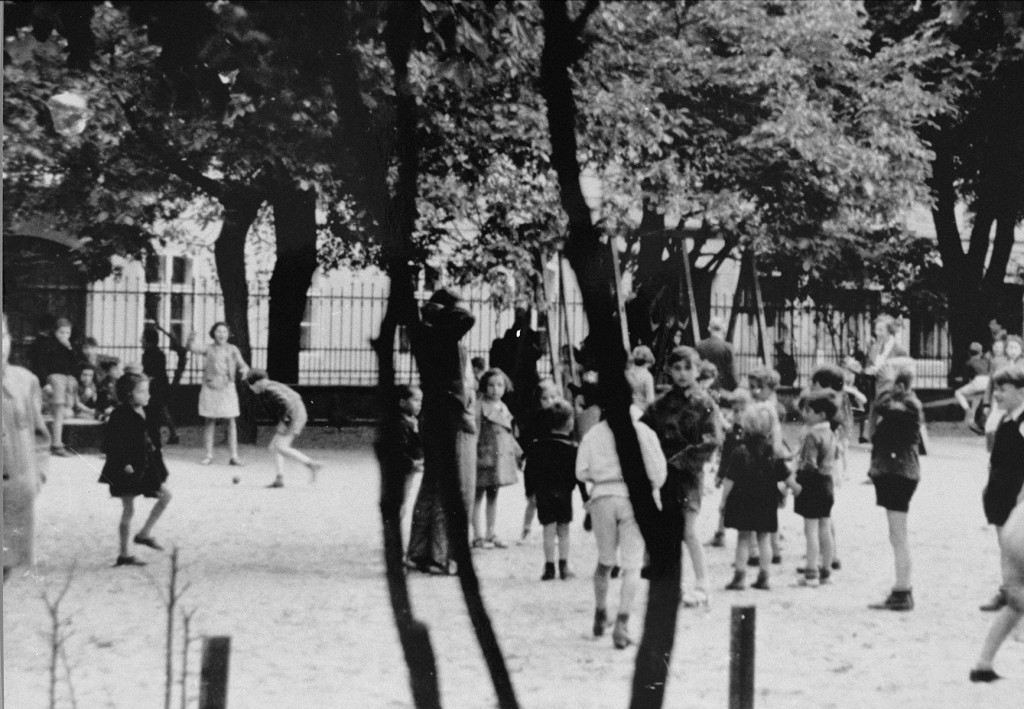
Beginning in February–March 1944, German authorities ordered the beautification or embellishment (Verschönerung) of the ghetto. They forced some Jewish prisoners to carry out a variety of renovation projects. This included building a music pavilion, a playground, and a theater. Barbed wire fences were removed. Benches and decorative signs were added. Buildings were renovated and repainted. Streets were repaired. This was all done to make the ghetto look attended to and cared for.
Deportations to Auschwitz, May 1944
In preparation for the upcoming Red Cross visit, Nazi German authorities deported about 7,500 Jews from Theresienstadt to Auschwitz between May 15 and May 18, 1944. They did this to make the ghetto appear less overcrowded. At Auschwitz, the Jewish people from these transports were housed in the Theresienstadt family camp. This was located in Section BIIb of the Birkenau camp. Most of these people were murdered on July 10–11, 1944.
Preparing and Briefing the Danish Jews
In the weeks leading up to the delegation’s visit, SS officers visited and inspected the Danish Jews. On June 22, the day before the visit, a number of Danish prisoners were given new and improved housing assignments. Their new living quarters were more spacious. They had been refurbished as part of the beautification campaign. That same day, Danish prisoners attended a meeting where they were instructed on how to behave in front of the delegation. They were even told how to answer certain questions and what topics to avoid.
The Events of June 23, 1944
On June 23, 1944, the long-awaited Red Cross visit to Theresienstadt finally took place.
Members of the Delegation
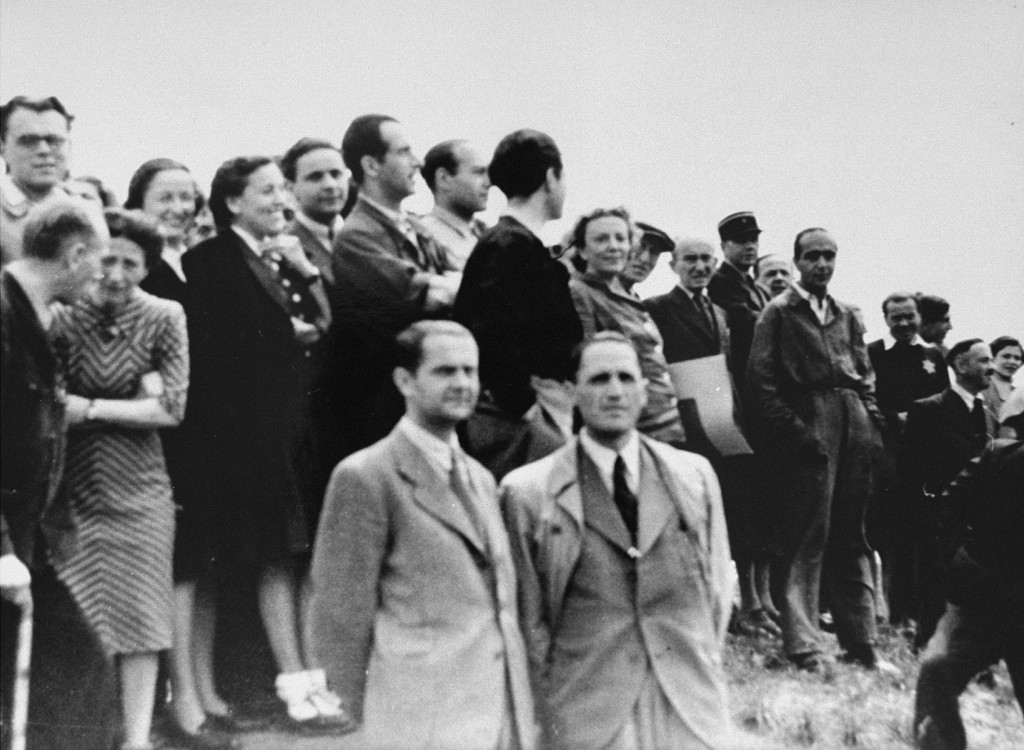
The commission that visited Theresienstadt on June 23 included three foreign representatives:
- Maurice Rossel, a Swiss representative of the ICRC;
- Eigil Juel Henningsen, a leading physician from the Danish Health Authority (Sundhedsstyrelsen), representing the Danish Red Cross; and
- Frants Hvass, an official of the Danish Foreign Ministry.
During their visit, several Nazi German officials, including multiple SS officers from the RSHA staff, accompanied them. One of the SS officers spoke Danish.
Schedule of the Visit
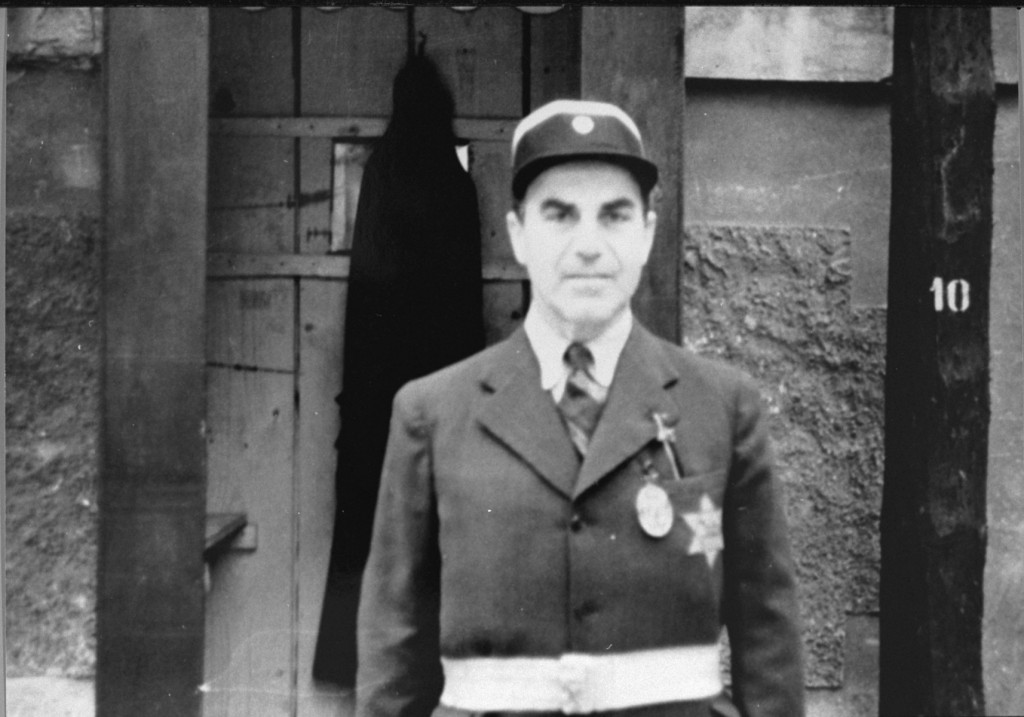
The delegation was in Theresienstadt from 11 a.m. until 7 p.m. Paul Eppstein, the chairman of the Jewish Council of Elders, greeted them upon arrival. Their itinerary in the ghetto had been planned in advance. It was carefully staged and controlled. The delegates visited the newly upgraded living quarters where certain Danish prisoners were housed. There, they spoke with several of the prisoners. They passed along greetings and letters from Denmark. The delegation also toured a kindergarten and a home for the elderly. Rossel, the Swiss representative of the ICRC, took dozens of photographs.
The Nazis ordered Jewish prisoners to stage social and cultural events for the visiting dignitaries. This included:
- a performance of the finale of the children’s opera Brundibár, staged in a building that had been converted into a theater during the beautification campaign; and
- a soccer game, complete with cheering crowds.
The visit ended around 7 p.m. The delegation then returned to Prague. There, they attended an official dinner with Nazi leaders.
Reports Following the Visit
Each member of the visiting delegation wrote a report about what they saw in Theresienstadt. The reports summarized the information Eppstein had given them at the start of the tour. The reports also shared their positive impressions of the ghetto. Maurice Rossel, the representative of the ICRC, sent his report to Geneva and to the German Foreign Office. The Danish reports remained in Denmark and were not widely distributed. Upon his return to Denmark, Hvass, the representative from the Danish Foreign Ministry, met with Werner Best. Best was a leading Nazi official in Denmark. Hvass told Best that they had been impressed with the conditions in the ghetto. In their reports, all three men repeated the lie that the Nazis did not deport Jews from Theresienstadt.
The positive reports of the Red Cross delegation showed that the Nazi authorities’ propaganda plan for Theresienstadt had worked. Through their deception, staging, and misinformation, Nazi authorities successfully tricked international observers into believing their lies about the Theresienstadt ghetto.
Footnotes
-
Footnote reference1.
This statistic refers to the approximately 140,000 Jews deported to the Theresienstadt ghetto between November 24, 1941, and April 20, 1945. In addition to these Jewish prisoners, approximately 15,000 concentration camp prisoners were evacuated to Theresienstadt in the last weeks of World War II. Most, but not all, of these prisoners were Jewish. When this group of 15,000 is added to the 140,000 Jews who were sent to Theresienstadt before April 20, the total number of prisoners of the ghetto reaches about 155,000.
Critical Thinking Questions
What was the role of Theresienstadt in the Nazi strategy of deception? How was it different from the majority of concentration camps and ghettos?
Did other camps have multiple purposes? If so, what were they?
Euphemisms are mild or indirect words or expressions used in place of those that are harsh or blunt. They can hide dangerous or illegal behavior. What euphemisms did the Nazis use to disguise their intentions or policies?
Study the visit to this camp by the Danish and International Red Cross delegations. How and why was the reality of the camp disguised from them?