

Jewish Resistance Against the Nazis During the Holocaust
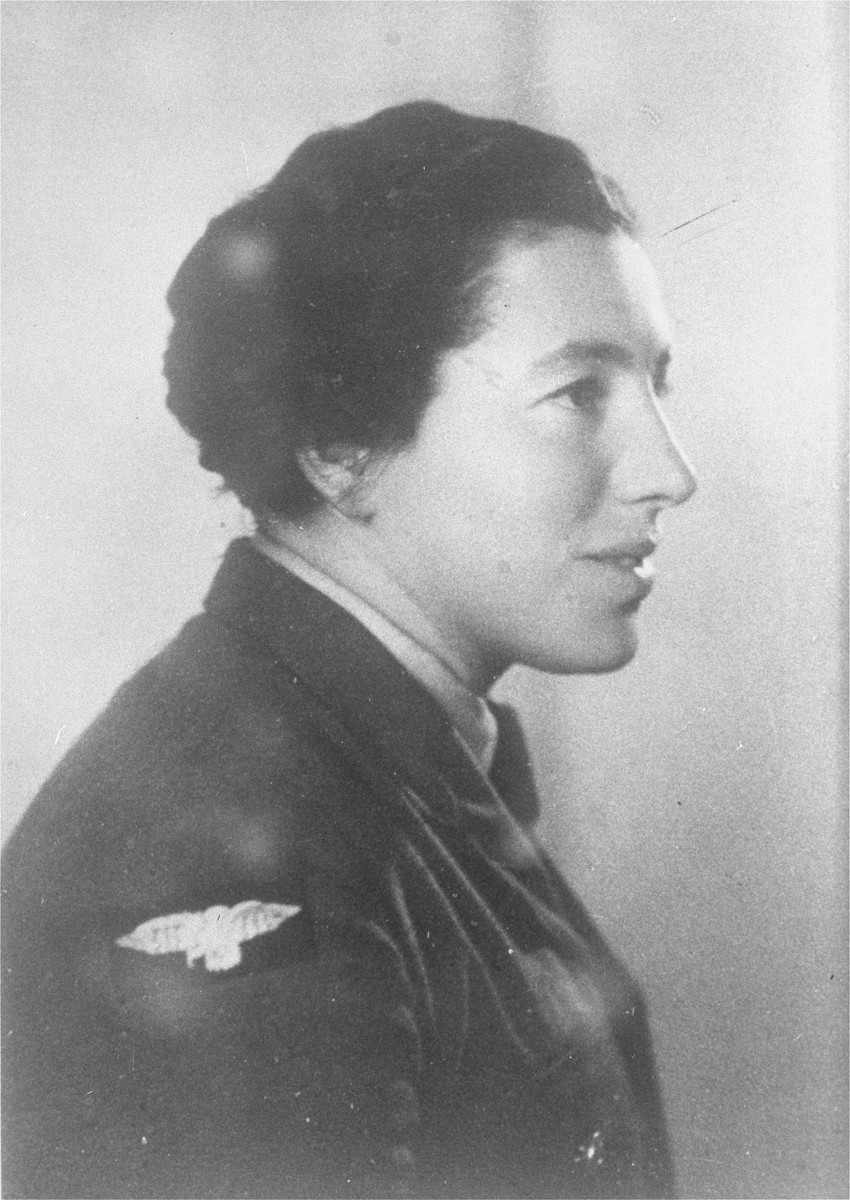
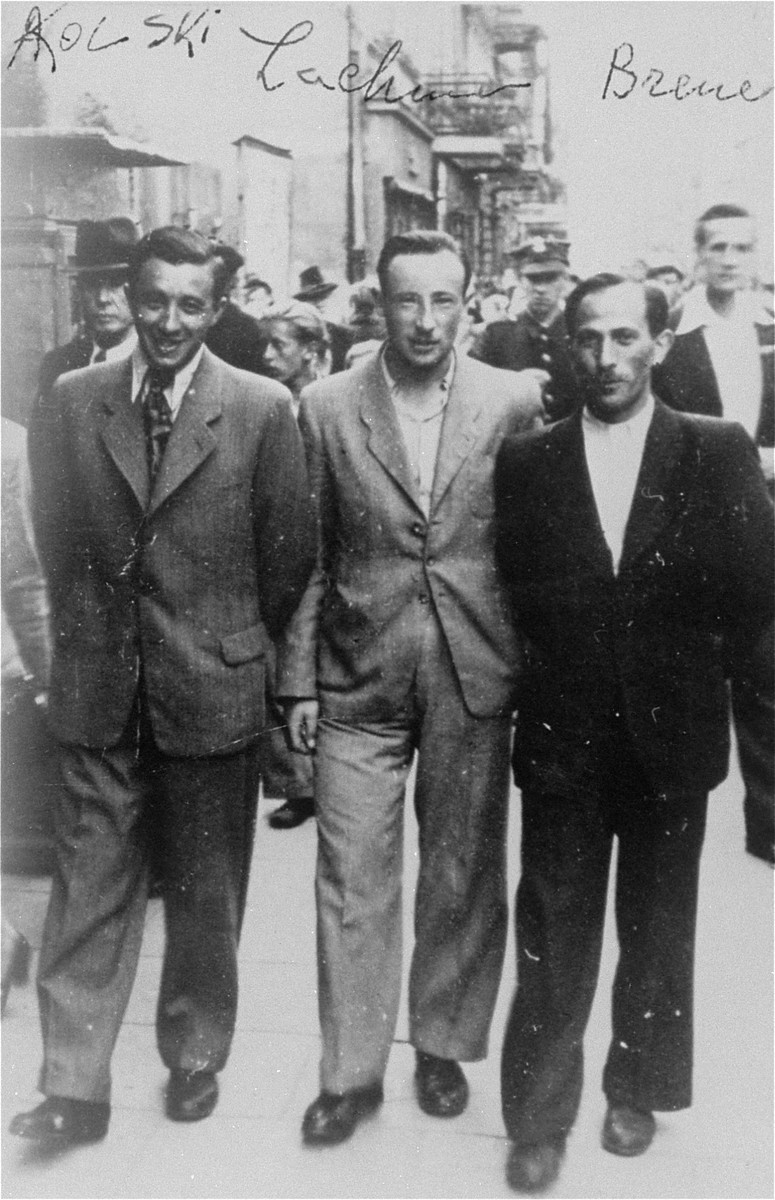
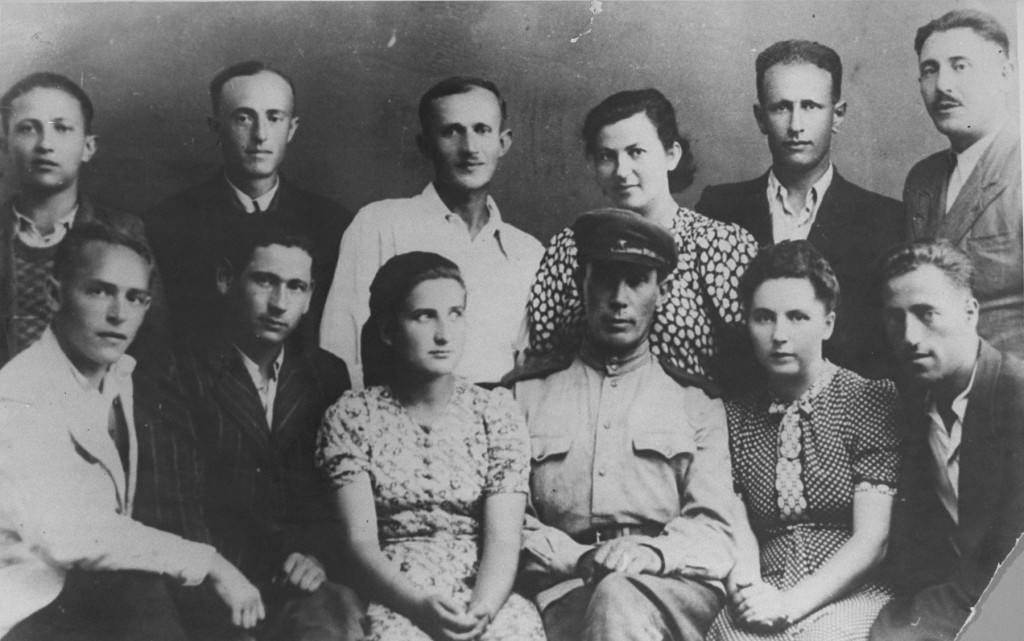
During the Holocaust, Jews across Europe resisted the Nazis in many ways, from disobeying orders to staging armed revolts.
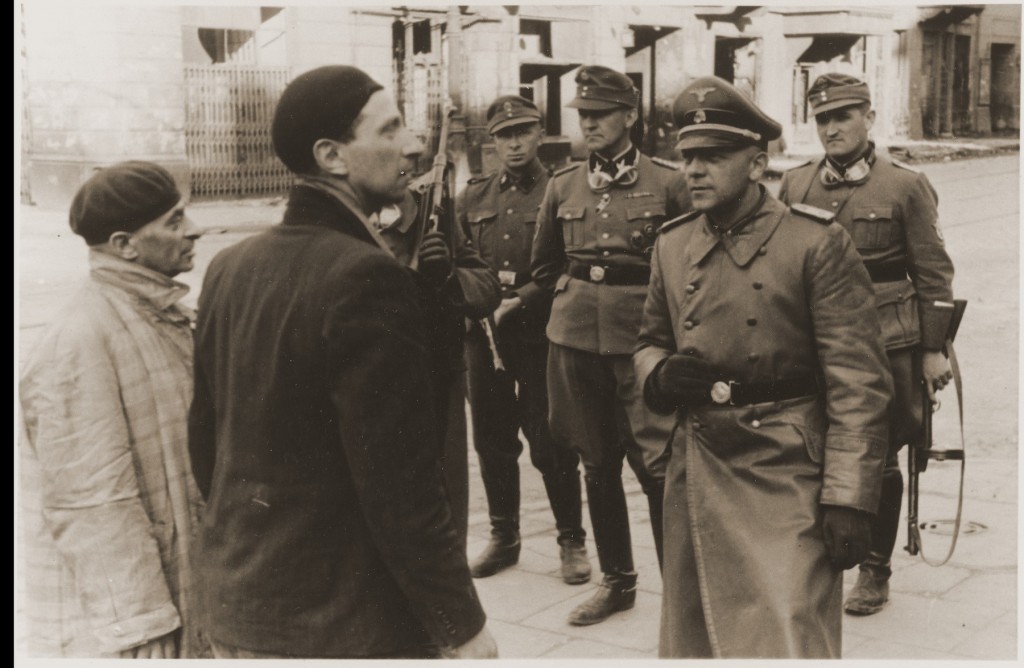
The Holocaust was the persecution and murder of six million European Jews by Nazi Germany, its allies, and its collaborators between 1933 and 1945. The Nazis and their helpers targeted all Jews just because they were Jewish. They imprisoned millions of Jews in ghettos and camps. They forced Jews throughout much of Europe to wear badges or armbands marking them as Jews. They drove Jewish people out of their homes and stole their belongings. They deprived them of food, shelter, and medical care. They murdered millions in mass shooting operations and in gas chambers.
Sometimes people ask, “Why didn’t Jews fight back or try to resist?” In fact, Jews across Europe did resist the Nazis in many ways. These acts of resistance included:
- disobeying and defying Nazi orders;
- fleeing and hiding;
- engaging in armed resistance;
- sabotaging Nazi war aims;
- warning or sharing information with others;
- documenting Nazi crimes and atrocities; and
- maintaining their dignity and community.
Disobeying and Defying Nazi Orders
During the Holocaust, Jews often refused to do what the Nazis told them to do. They critiqued, cursed at, or challenged the Nazis. Jews frequently disobeyed Nazi rules, even at enormous personal risk. They smuggled food, medicine, and other goods into ghettos and camps. They refused to hand over precious valuables, hiding or destroying them instead. Jews often took off badges or armbands in order to blend in with the non-Jewish population.
Fleeing and Hiding from the Nazis
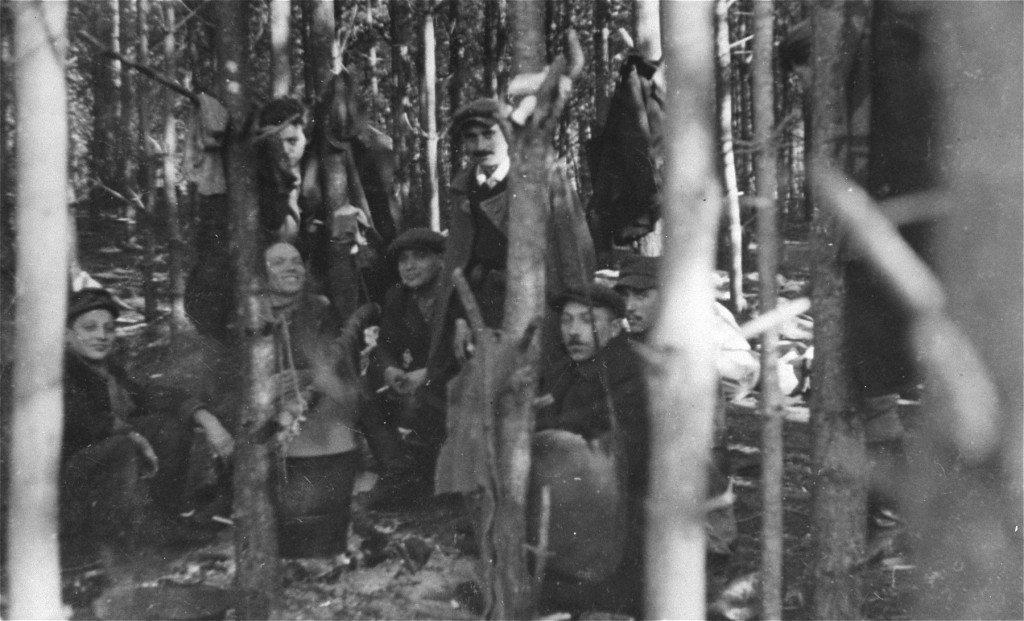
As the Nazis rounded up, deported, and murdered Jews, some Jewish people fled or went into hiding. There were instances of Jews jumping off deportation trains. Some Jews attempted to hide in plain sight under false, non-Jewish identities. Others hid in bunkers, cellars, attics, or other enclosed spaces. Some fled to forests or swamps. Successfully fleeing or hiding from the Nazis required the help of non-Jews. Some non-Jews chose to help at great personal risk. For example, in Amsterdam, Anne Frank’s family went into hiding in a secret annex when her sister Margot was called up for deportation. Non-Jewish friends and business associates supplied them with food and other goods.
Fighting the Nazis
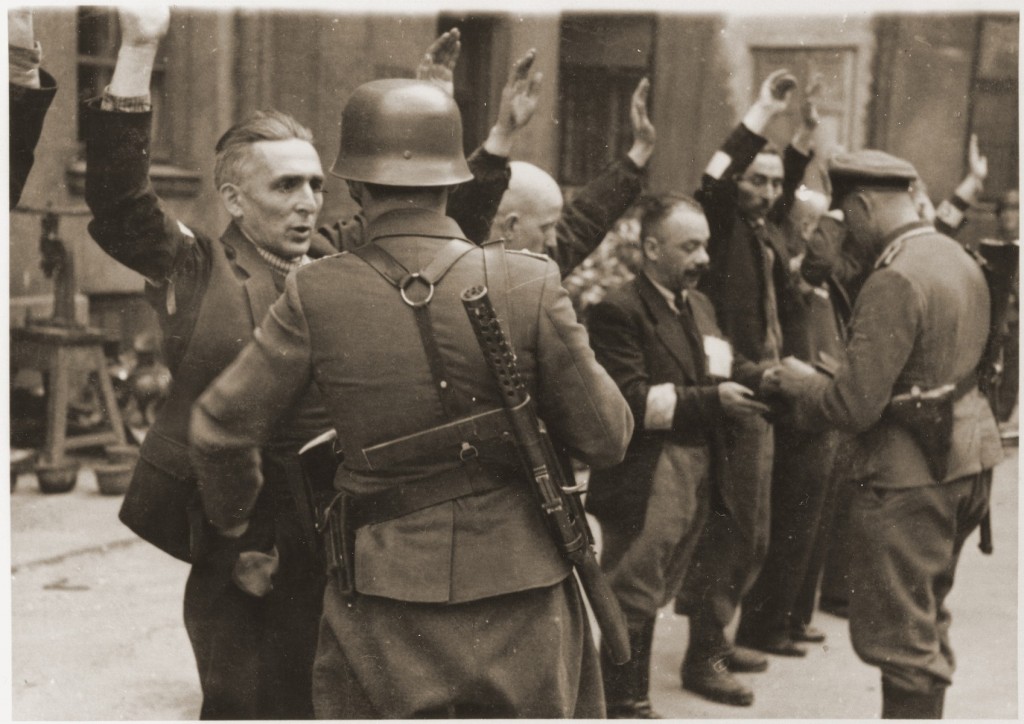
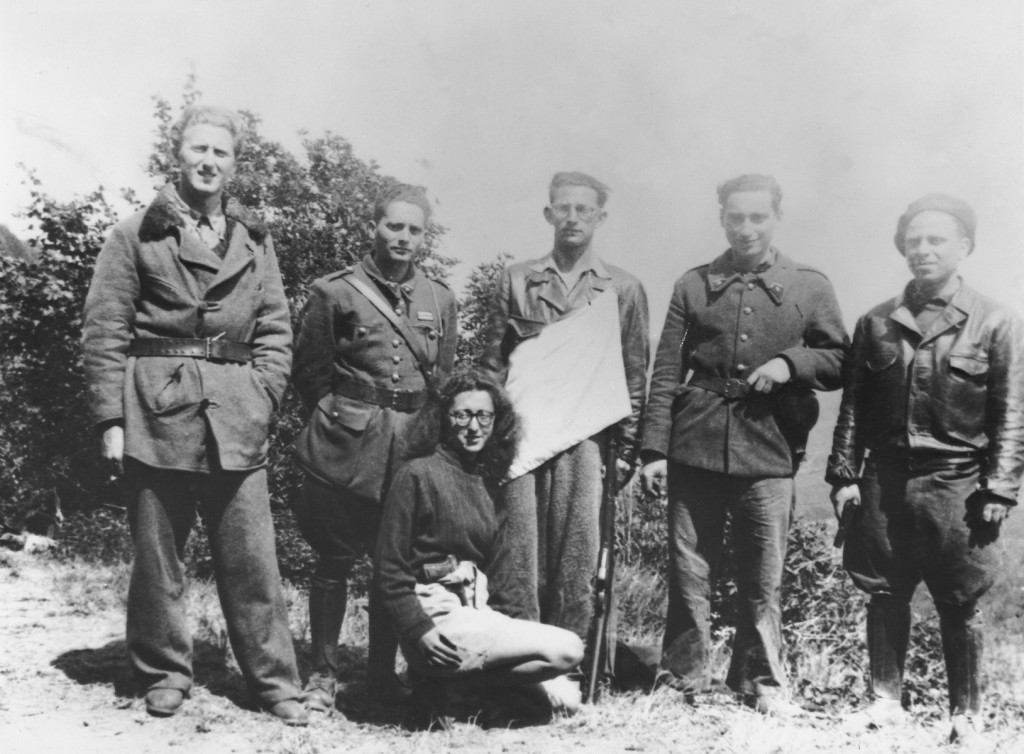
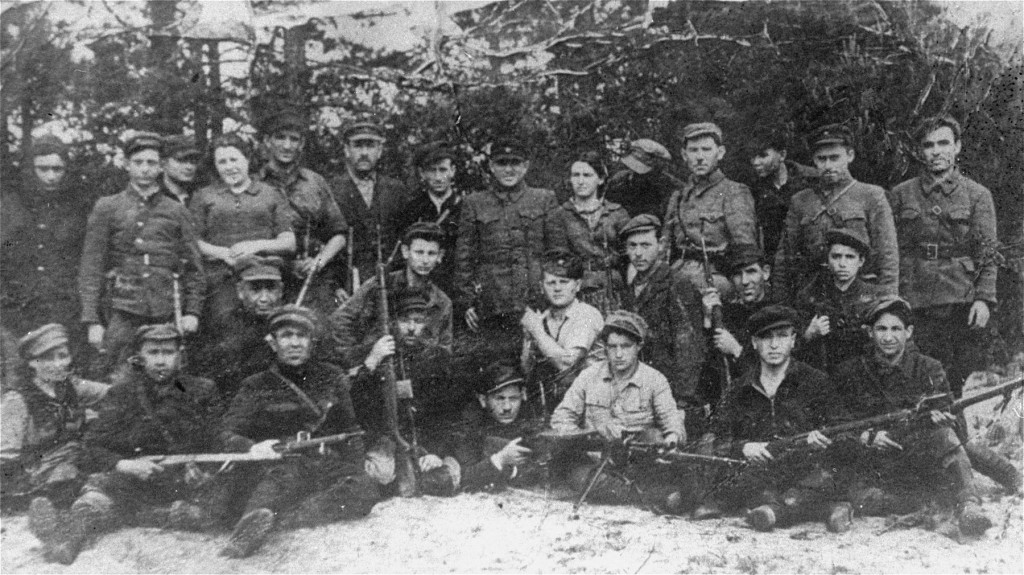
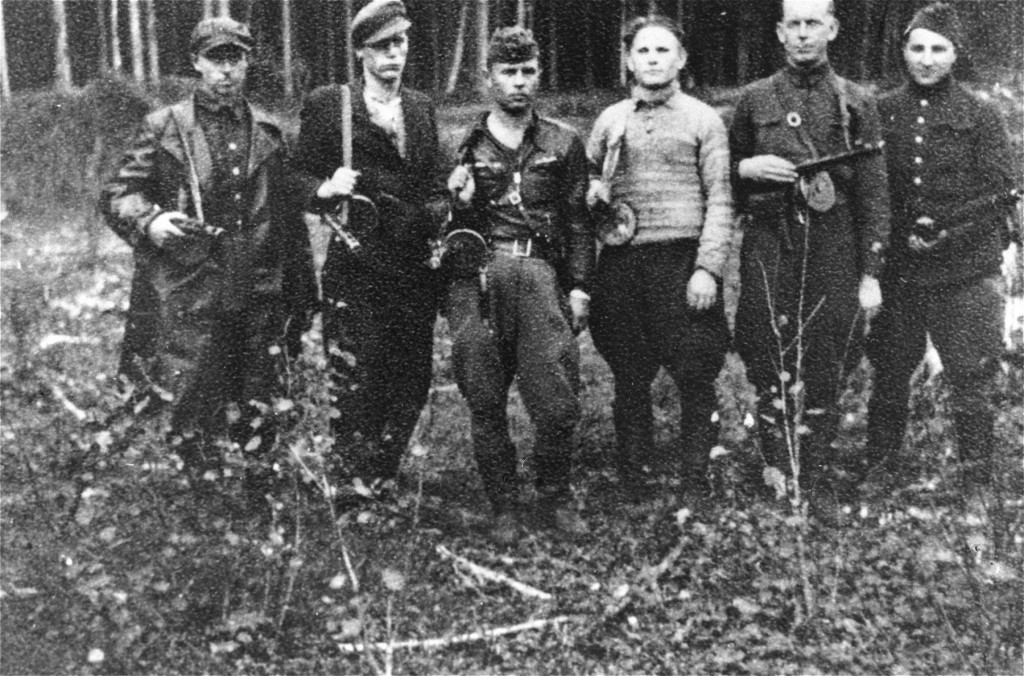
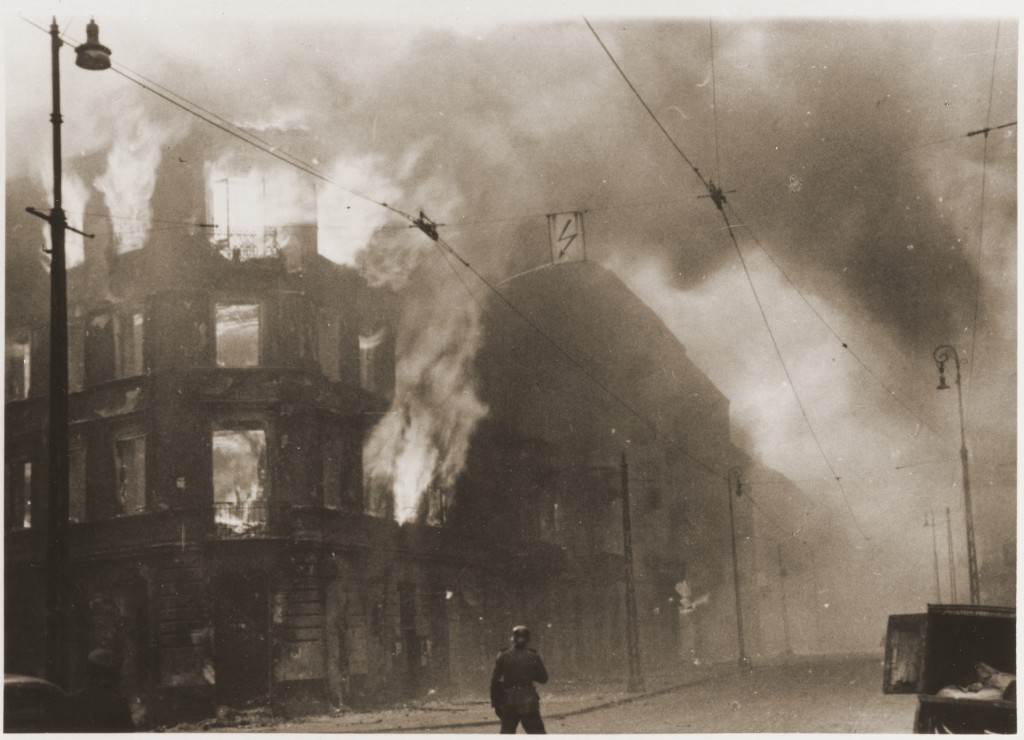
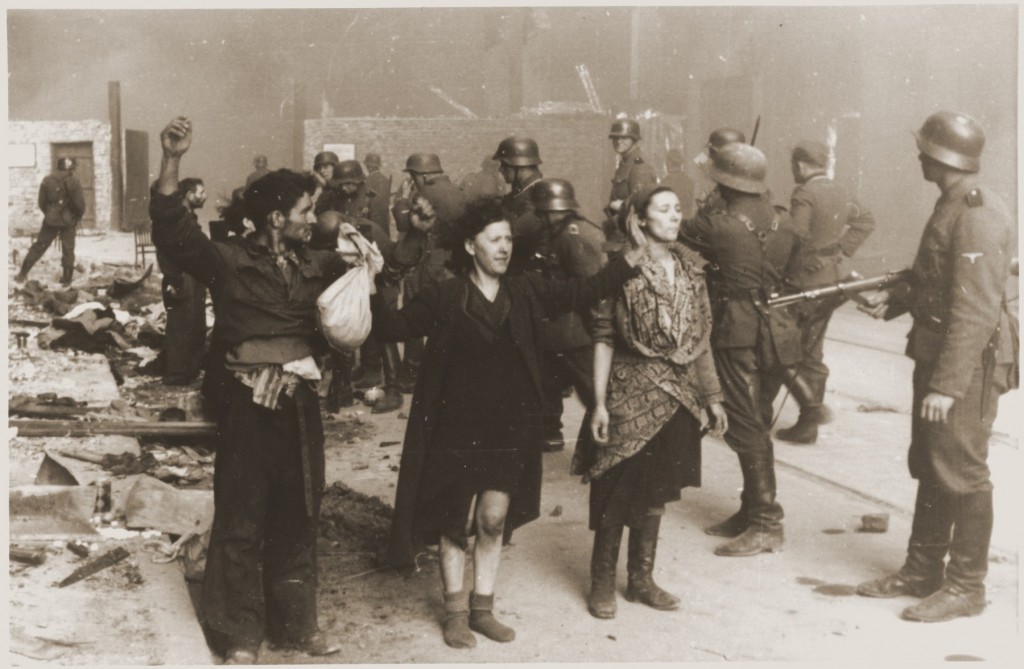
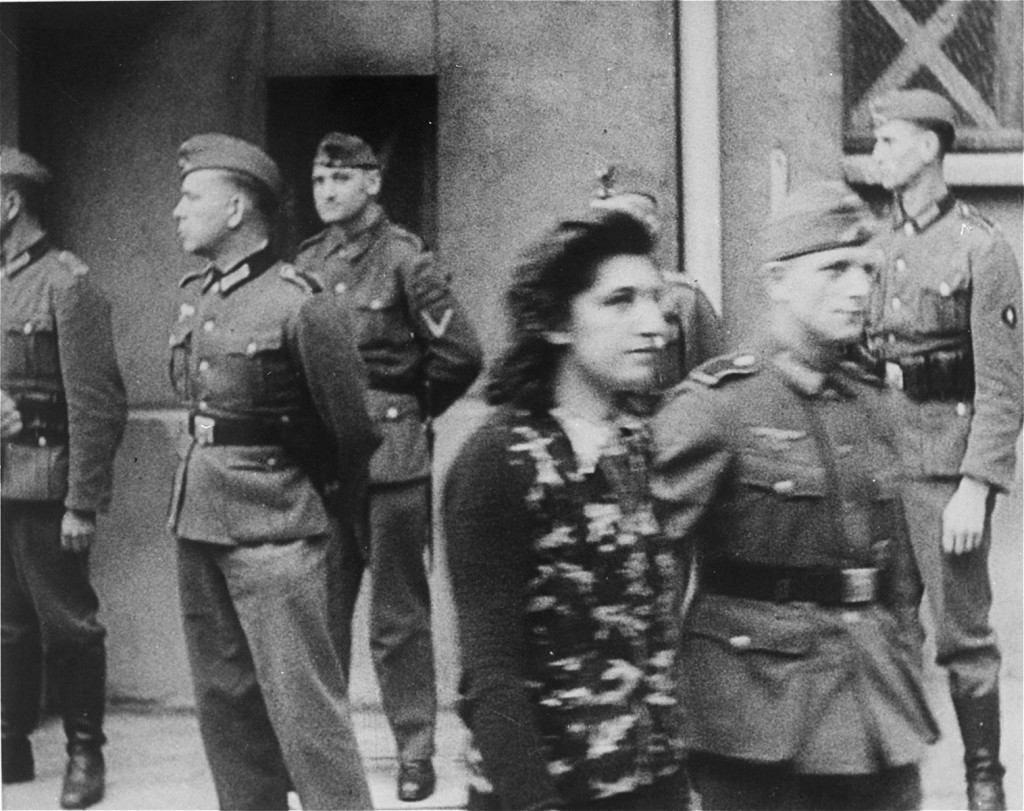
Jews fought back against the Nazis with violence. Jews in ghettos and camps created secret resistance groups. These groups gathered information, weapons, and resources. They made plans to fight the Nazis. In many places, these groups physically attacked the Nazis and their collaborators. They knew their attacks weren’t likely to succeed, but they wanted to cause as much damage as possible. The most famous acts of Jewish armed resistance are the Warsaw Ghetto Uprising in 1943 and the revolt of the Auschwitz Sonderkommando in 1944.
Sabotaging Nazi War Aims
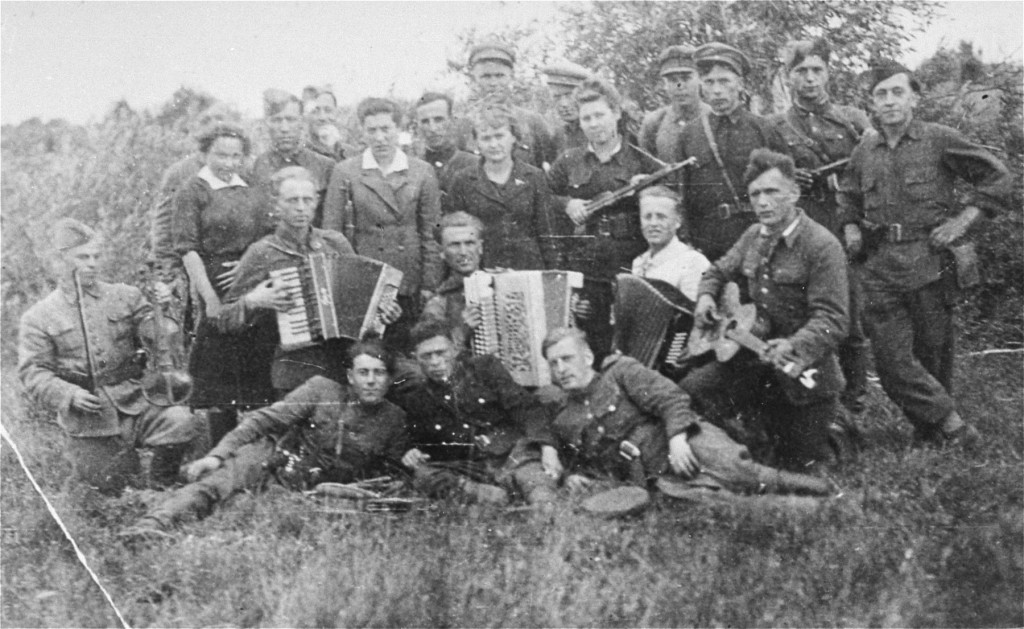
Jewish people resisted by trying to sabotage the Nazis and stop their ability to wage war or commit crimes. Many Jews who had to perform forced labor for the Nazis deliberately worked slowly, or secretly tried to ruin whatever they had been ordered to build, especially weapons and ammunition. There were also Jewish resistance groups that attempted to sabotage the Nazis. These groups tried to destroy railroad tracks, German military vehicles, and even equipment the Nazis used for mass killing. The Bielski partisans in the forests of occupied Belarus were one of these groups.
Warning Other Jews and Sharing Information About Nazi Crimes
Jewish people also tried to warn other Jews and the world about what the Nazis were doing. They hoped that if people knew about mass murder, then more people would try to hide or escape. They also hoped that world leaders would take action to rescue Jews. For example, Slovak Jews Alfréd Wetzler and Rudolf Vrba escaped from Auschwitz in spring 1944. That summer, their reports about the mass murder of Jews at Auschwitz spread worldwide.
Documenting Nazi Crimes and Atrocities
Many Jews documented how the Nazis mistreated them and destroyed their communities. This included documenting plunder of private property, physical abuse, executions, and mass murders. Jews kept diaries, took photographs, made artwork, composed songs, and wrote letters that described or depicted these crimes. Secret Jewish groups created archives to record the existence and experiences of their communities. For example, in the Warsaw ghetto, a secret group created the Oneg Shabbat archive to document Jewish life before and during the war.
Maintaining Dignity and Community in the Face of Genocide
During the Holocaust, Jews tried to continue with their lives even under very difficult conditions. Many insisted on maintaining their Jewish identity. They disobeyed the Nazis by practicing their religion in secret. They continued to teach their children Jewish history, religion, and the Hebrew language. For example, teenager Gerda Weissmann made a menorah out of potatoes to observe Hanukkah while imprisoned at a forced labor camp.
The Legacy of Jewish Resistance During the Holocaust
Despite overwhelming odds and faced with nearly unimaginable cruelty, Jews found ways to resist. Even though they could not stop the Nazis and their helpers from carrying out mass murder, Jewish resistance had an impact. Through their efforts, Jewish resisters saved lives. They also left a lasting record of Jewish experiences during the Holocaust.