


Kindertransports to the United Kingdom, 1938–1939
The Kindertransports were a coordinated relief effort that helped Jewish children escape Nazi Germany and come to the United Kingdom in 1938–1939. They were organized by the Movement for the Care of Children from Germany (later, the Refugee Children’s Movement) in coordination with Jewish and non-Jewish aid organizations. In total, these transports brought nearly 10,000 Jewish children to safety.
Key Facts
-
1
After Kristallnacht, the British government waived visas for nearly 10,000 children under the age of 17, mainly Jewish children from Nazi Germany and German-annexed territories.
-
2
Jewish organizations in central Europe planned the transports to the United Kingdom. Jewish and non-Jewish welfare organizations in the United Kingdom arranged for the children’s care and education.
-
3
Most of the children remained in the United Kingdom for the duration of the war. They lived with extended family, foster families, and in group homes and schools.
The Kindertransports were a coordinated relief effort that helped Jewish children escape Nazi Germany and come to the United Kingdom in 1938–1939. The German word Kindertransport means “children’s transport.”
The Kindertransport program began in December 1938, just weeks after Kristallnacht. Kristallnacht was a nationwide anti-Jewish riot in Nazi Germany. In response to the violence, Jewish and non-Jewish organizations in the United Kingdom advocated for the country to admit Jewish children from Nazi-controlled territory. The British government agreed to temporarily waive visa requirements for children under the age of 17. This allowed the children to enter the United Kingdom without the paperwork needed for permanent immigration. Their parents were not allowed to come with them. The transports of refugee children largely came from Nazi Germany and German-annexed Austria. The program ended in September 1939 at the same time that World War II began.
Between December 1938 and September 1939, Jewish and non-Jewish aid organizations brought nearly 10,000 Jewish children to the United Kingdom. The Kindertransports saved their lives. Almost all Jews who remained in Germany during World War II were eventually rounded up, deported, and murdered.
In the 1930s, there were similar, smaller-scale relief efforts to help Jewish children that are also called Kindertransports. These other efforts brought mostly Jewish refugee children to western Europe, Scandinavia, and the United States.


Why Were the Kindertransports Organized?
The Kindertransport program started in late 1938 in the midst of an ongoing refugee crisis and in the aftermath of Kristallnacht.
The Refugee Crisis of 1938
Beginning in 1938, the world faced a refugee crisis brought on by Nazi Germany’s actions. That year, Nazi Germany’s territorial expansion and the radicalization of Nazi anti-Jewish policies triggered a mass exodus of Jews. Hundreds of thousands of Jewish people sought to flee from under Nazi control. In response, increasing numbers of individuals and organizations tried to help Jews immigrate. Almost all governments, however, remained reluctant to help Jewish refugees.
British Visa Requirements from Nazi Germany, 1938
In May 1938, the British government implemented a new regulation requiring German, Austrian, and Czechoslovak passport holders to obtain a visa from a British consulate before entering the United Kingdom. This was a significant new hurdle in an already restrictive British immigration policy. The United Kingdom’s restrictive approach to immigration made it difficult for Jews fleeing Nazi Germany to find a home there. Racism, antisemitism, and high unemployment contributed to low support for increasing immigration in the United Kingdom.
The Catalyst: Kristallnacht, November 1938
The event that sparked the change in public opinion in the United Kingdom was Kristallnacht. Often called the “Night of Broken Glass” in English, Kristallnacht was a nationwide anti-Jewish riot unleashed by Nazi German leaders on the night of November 9–10, 1938. These events received significant press coverage across North America and Europe, including in the United Kingdom. At the time, observers referred to the riot as savagery or barbarism. Many insisted that it violated the basic rules of civilization and progress. News of Kristallnacht was on the front page of major British newspapers for days. A prayer for “the Jewish people in their troubles” was added to the November 11th ceremony at Westminster Abbey commemorating the 20th anniversary of the end of World War I.
Some groups wanted to do more to help Jews trapped in Germany.
Lobbying the British Government to Permit the Kindertransports
Reports of Kristallnacht motivated members of the Council for German Jewry to try to help Jewish children. The Council for German Jewry was a British Jewish aid organization founded in 1936.
On November 15, 1938, representatives of the Council met with British Prime Minister Neville Chamberlain. The representatives proposed waiving the visa requirements for children under 17. They promised that Jewish organizations would provide financial guarantees for these children. They also told the prime minister that the children would be required to eventually return home or immigrate to other countries. Chamberlain promised to consider the request.
On November 21, 1938, the Council for German Jewry met with Home Secretary Samuel Hoare. Hoare was responsible for overseeing immigration and security matters. The Council provided Hoare with details about how the proposed program for refugee children could work. The House of Commons held a debate on the topic of the refugee crisis later that day. In the debate, Hoare expressed his support for the program. He underscored that the Jewish community in the United Kingdom planned on only bringing as many children as they could help support with their own funds or through donations. During this debate, Hoare did not specify how many children might arrive. There was no discussion of including the children’s parents in the proposal.
Members of Parliament discussed the plan for several days. In the face of concerns and opposition, Hoare reassured them that the government would not be responsible for caring for the children. He noted that the children would be allowed to receive education and training in the United Kingdom but would not be naturalized as British citizens.
In the end, the British government agreed to waive visas for children under the age of 17. Public opinion in favor of aiding children, as well as the persistent efforts of refugee aid committees, heavily influenced this decision.
Organizing in the United Kingdom: The Movement for the Care of Children from Germany
In November 1938, a new umbrella organization was formed in the United Kingdom to oversee the Kindertransports. Headquartered in London, this organization was called the Movement for the Care of Children from Germany. It changed its name in July 1939 to the Refugee Children’s Movement (RCM).
Existing aid groups were expected to work through this new organization. These aid groups included large, London-based organizations. There were also at least 175 local, volunteer committees throughout the United Kingdom. The local committees helped place and care for the Kindertransport children. The children were placed with foster families or in group homes.
British Jewish communities financially supported the organization and the refugees through donations. These donations came in through the Central Council for Jewish Refugees, the Lord Baldwin Fund for Refugees, the Polish Jewish Relief Fund, and other private organizations and individuals.
Organizing in Central Europe
Once it was clear that there was support for bringing Jewish children to the United Kingdom, organizations in Nazi Germany and beyond began the process of recruiting and selecting children. These organizations were both Jewish and non-Jewish. The exact process and organization varied by time and location.
In Germany (as defined by its pre-1937 borders), the organizations were based in Berlin. They included:
- the umbrella organizations of German Jewish communities (the Reichsvertretung der Juden in Deutschland and its successor organization the Reichsvereinigung der Juden in Deutschland), which selected Jewish children in Germany; and
- Paulusbund, an association of “non-Aryan” Christians, which selected “non-Aryan” children from Germany. These children did not practice the Jewish religion but were considered Jewish under Nazi racial law.
Additionally, Youth Aliyah, a Berlin-based Jewish organization, partnered with the Reichsvereinigung to help young Jews leave Germany.
In annexed Austria, the relevant organizations operated in Vienna, the former Austrian capital. They included:
- Israelitische Kultusgemeinde Wien (IKG, the Jewish Community of Vienna), the main Jewish organization in Vienna, which selected Jewish children in German-annexed Austria; and
- a branch of the Society of Quakers in Vienna that selected “non-Aryan” children from annexed Austria.
There were also groups active in Czechoslovakia and Poland. They included:
- the British Committee for Refugees from Czechoslovakia, which was based in Prague and staffed by British volunteers. This organization selected children from the Czech lands (including refugees from Germany); and
- the Polish Jewish Refugee Fund, which was based in the United Kingdom. This group arranged for the transportation of German-born Jewish children who had been deported to the German-Polish border before Kristallnacht and had been living in the Zbąszyń refugee camp.
Criteria for Choosing the Children
Organizers considered a variety of criteria when choosing children for the Kindertransports. Among the criteria were:
- Age: At first, organizations accepted children from infants to 17 years of age. In early 1939, however, they lowered the maximum age to 16.
- Level of danger for the child: Organizers tried to prioritize children thought to be in the most danger. This included children whose fathers had been imprisoned in Nazi concentration camps or who were threatened with expulsion. This also included teenage boys who had been arrested or were under threat of detention in concentration camps.
- Economic and social circumstances: Organizers also considered children living in orphanages or children’s homes or whose parents were unable to care for them.
- Ability to assimilate: Organizers prioritized children whom they believed would be able to adjust to life in a foreign country.
- Health: Organizers only selected children who appeared to be healthy, intelligent, and well-behaved.
- Foster family preferences: organizers operated within limits set by foster families in the United Kingdom. Beginning on March 1, 1939, only children who had been chosen by foster families and had secured individual financial guarantees from the United Kingdom were able to join the Kindertransports. Foster families in the United Kingdom could select the age and gender of the child. This made it harder to find a place for older children and boys. Some foster families hoped to eventually adopt the child permanently. As a result, it became harder to place children whose parents hoped to immigrate and reunite with them.
Decisions to Register Children
Children were most often registered for the transports by their parents or guardians. Despite the difficulty of separation from their children, they made this decision hoping the children would reach safety. In most cases, the organizations could not guarantee that the children would be cared for in Jewish homes. They also could not promise that siblings would be able to stay together. Many parents seeking to place their children in the United Kingdom were actively trying to immigrate themselves. They hoped to reunite with their children in the United Kingdom or in other countries where they could settle permanently.
Processing Applications and Selecting the Children
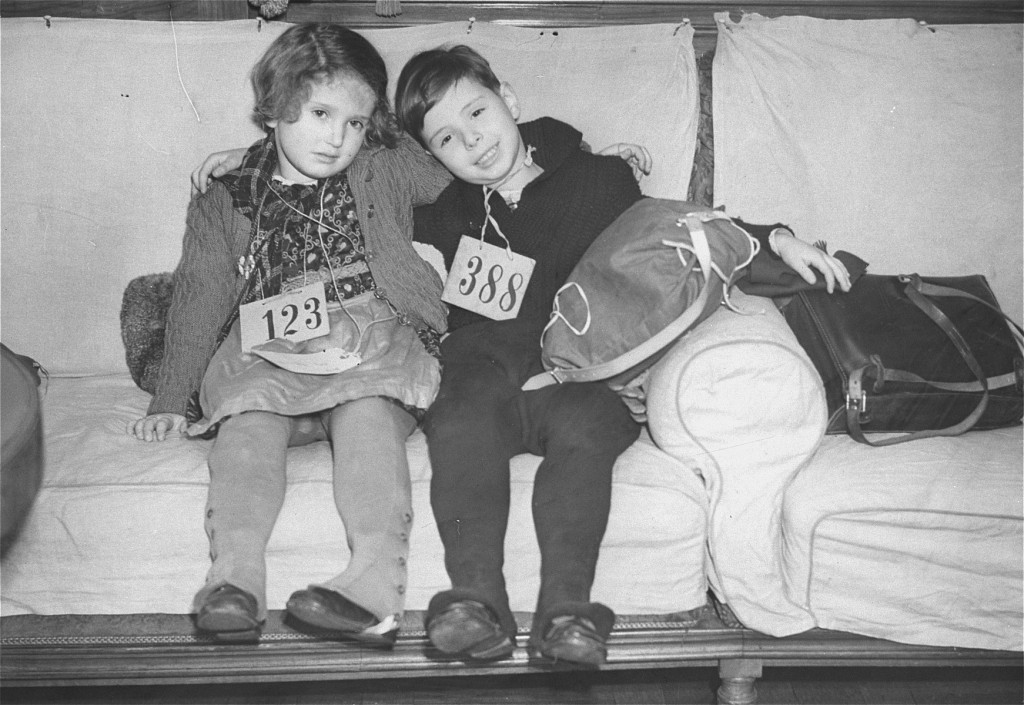
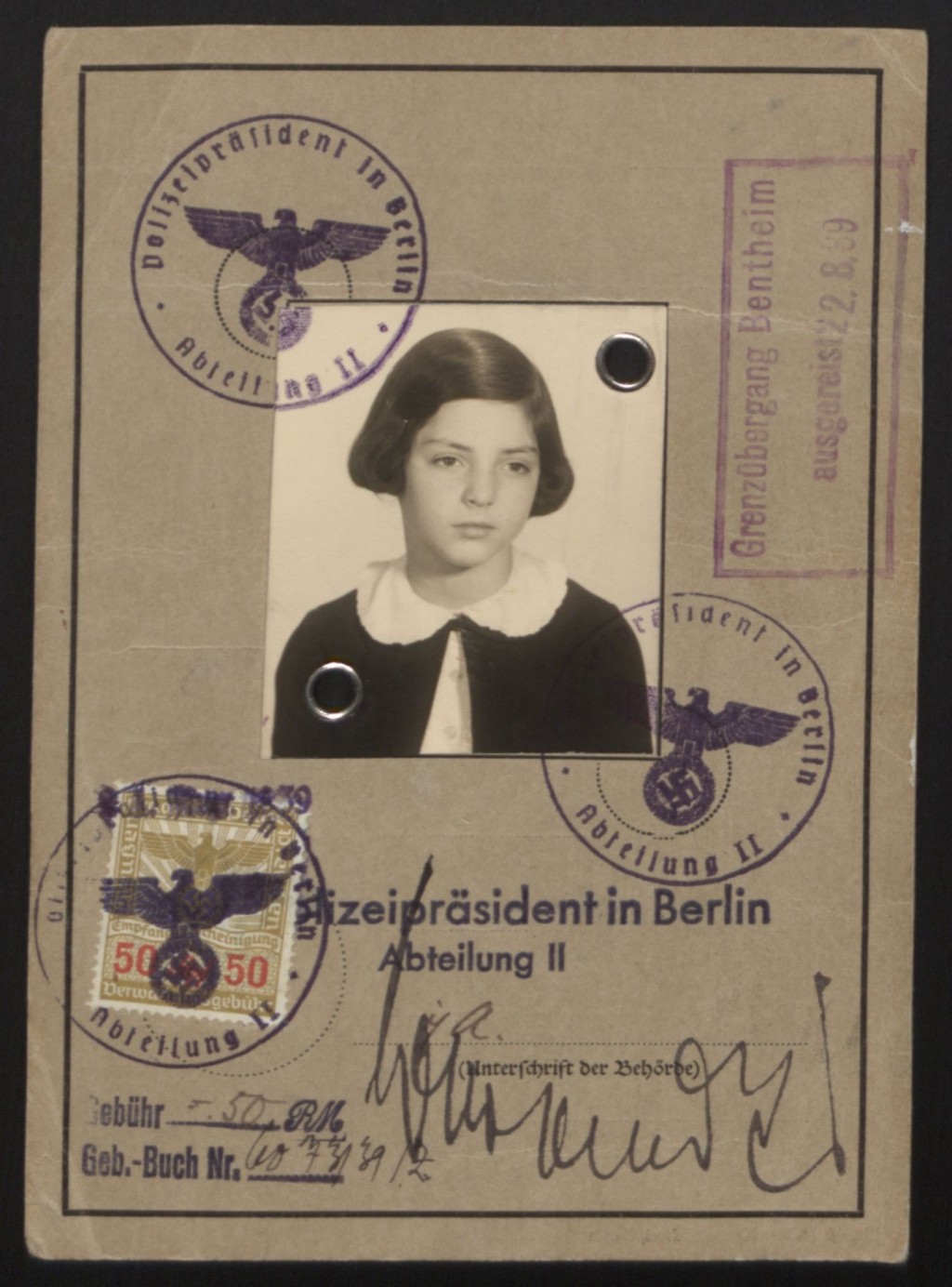
The organizations in central Europe quickly processed applications and arranged transports. They collected questionnaires, passport photos, medical records, and a short narrative of each child’s family history and current situation. The British government required a £50 guarantee for each child. This fee was paid either by the child’s parents, out of donations to the Jewish Relief Fund, or by the families in the United Kingdom who were offering to foster a child.
The central European organizations sent all the paperwork and information to the United Kingdom. There, the Movement for the Care of Children from Germany (later, the Refugee Children’s Movement) reviewed each file. They chose which children would proceed to the United Kingdom.
Once a child was approved, the organizations arranged transportation. They also provided the Gestapo with the names of children who would be leaving.
Timeline of Kindertransports
Kindertransports came to the United Kingdom for a period of nine months between December 1938 and September 1939. The Kindertransports began after Kristallnacht and ended at the same time as the outbreak of World War II.
First Transports, December 1938
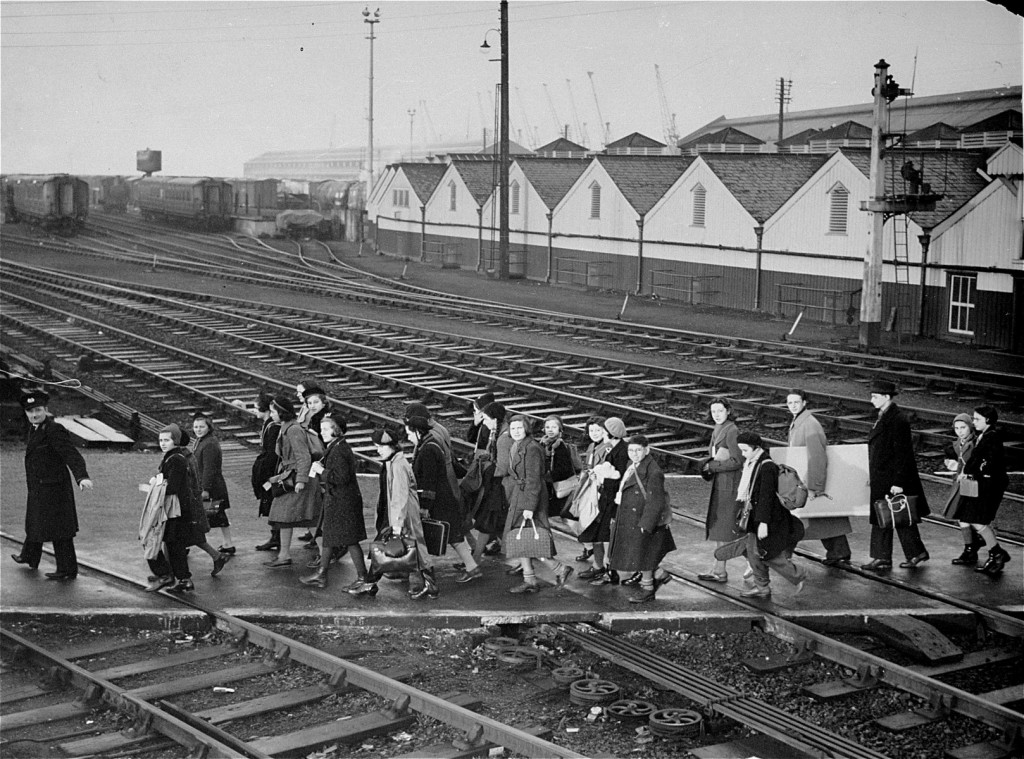
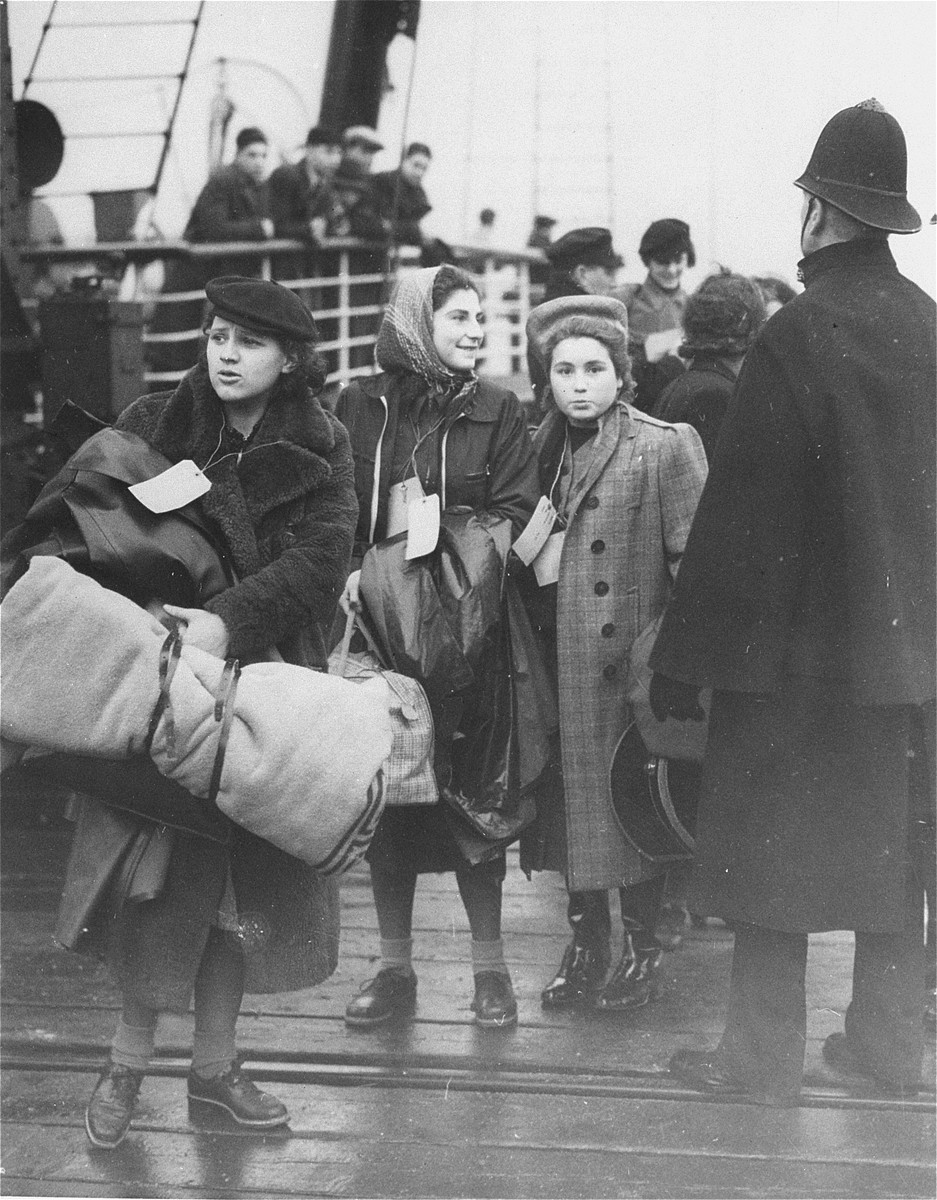
The first group of around 200 children left on two separate trains. One came from Berlin and the other from Hamburg. The trains headed toward Hook of Holland in the Netherlands. From the Netherlands, the children took a ferry to the United Kingdom. They landed in Harwich, England, on December 2, 1938, less than two weeks after the British government authorized the visa waivers. Both British and American news widely covered the children’s arrival.
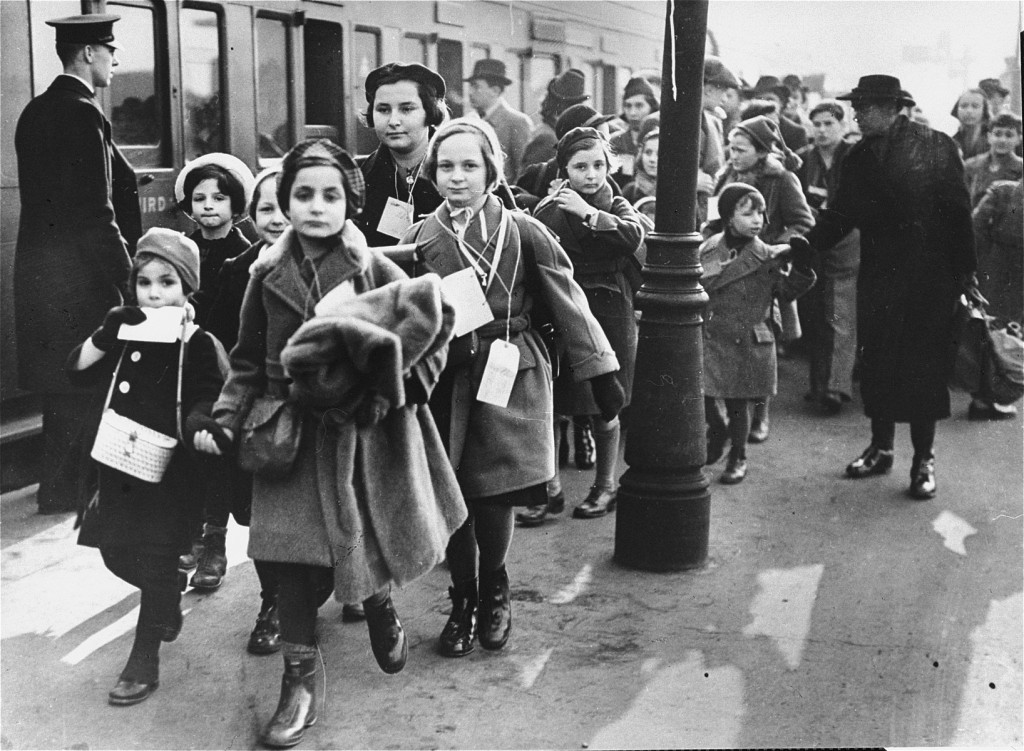
The second and largest transport arrived in Harwich the following week on December 12, 1938. On board were roughly 500 children from Vienna. These children had also traveled by train and ferry.
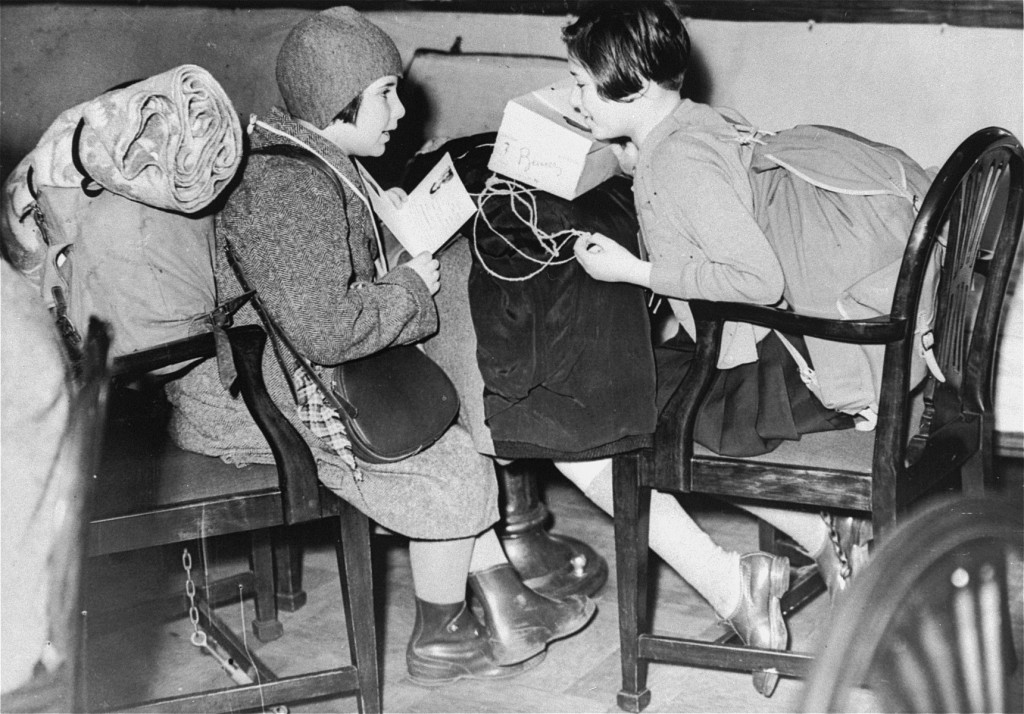
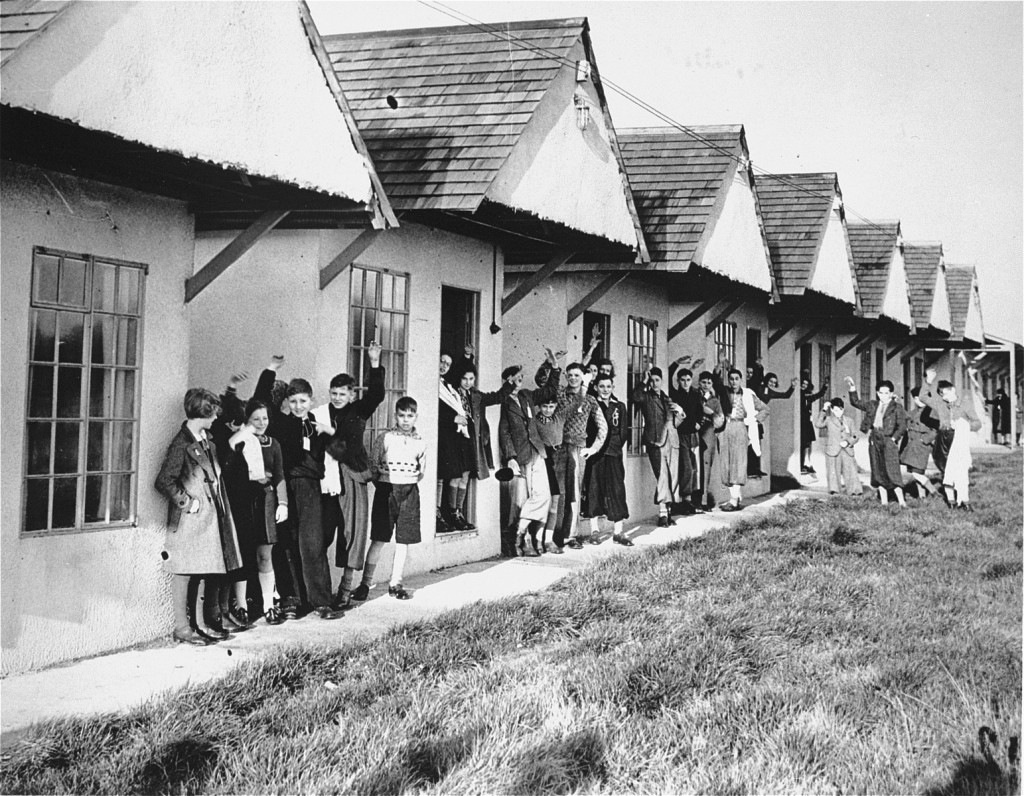
The first transports arrived so quickly that the Movement for the Care of Children from Germany had not arranged homes for most of the children. The older children were housed at the Dovercourt Bay Holiday Camp near Harwich. Younger children were taken to the Pakefield Holiday Camp near Lowestoft. The children stayed in these camps until they could be placed with a family or institution. By the end of December 1938, about 1,900 children had arrived in the United Kingdom on seven transports. Of those children, 550 had already been placed with foster families.
Subsequent Transports, January–July 1939
For the first half of 1939, transports of refugee children continued to arrive in the United Kingdom every few days. Each included about 75 children. The children arrived mainly under the auspices of the Movement for the Care of Children from Germany, which in July 1939 was renamed the Refugee Children’s Movement (RCM).
By early July 1939, more than 80 transports had brought approximately 7,750 refugee children to the United Kingdom. Most of the children traveled from Germany, Austria, and Czechoslovakia. Among them were also 339 children who had left from Danzig, the Netherlands, France, and from the Zbąszyń refugee camp in Poland. The Jews in the Zbąszyń refugee camp had been expelled from Germany in October 1938. Aid groups placed these children with foster families and in communal homes such as refugee hostels, boarding schools, or agricultural training schools.
Decision to Wind Down, Summer 1939
In summer 1939, the RCM began to wind down their operations due to financial strains. They estimated that they could support the arrival of no more than 10,000 additional children. They anticipated that a total of about 9,000 children would arrive by the end of August 1939. The final 1,000 slots were reserved in case of a future emergency.
The Last Kindertransports to the United Kingdom, September 1939
Although the RCM was already predicting an end to any large transports of children, the outbreak of World War II in September 1939 ended the Kindertransports to the United Kingdom.
The final Kindertransport landed in Harwich on the morning of September 1, 1939. It carried approximately 30 children from Germany, who arrived with the support of the RCM. This transport also carried 30 children who traveled under the auspices of the Jewish Berlin-based Youth Aliyah. The Youth Aliyah children traveled to an agricultural training camp in Wales. The other children, aided by the RCM, met their foster families in London. A final scheduled transport from Prague was cancelled at the last moment.
Even though the program ended in September 1939, there was one unscheduled, ad hoc transport in May 1940. Following the German invasion of the Netherlands, Gertruida Wijsmuller-Meijer, who had helped coordinate the Kindertransports, managed to get 74 refugee children to the United Kingdom. The children were originally from Vienna, but they had been living in the Netherlands. They traveled by ship and landed in Liverpool in May 1940.
Kindertransport Children in the United Kingdom During World War II
Once in the United Kingdom, many of the children struggled to adjust to life in a foreign country among strangers. They had been separated from loved ones and their homes. At first, most did not speak English. Most of the Kindertransport children remained in the United Kingdom for the length of World War II. They lived with extended family, foster families, and in group homes or schools.
The outbreak of World War II in September 1939 had a dramatic effect on everyone in the United Kingdom, which was now at war with Nazi Germany. The Kindertransport children were no exception. The war made it more difficult to correspond with family members. Many children lost touch with their parents. Some were evacuated to the countryside. Some of the older children were treated as enemy aliens.
Joining the Pioneer Corps and the British Military
At first, the refugees could not volunteer for the British military. They could only join the Pioneer Corps alongside British men who did not qualify for the military because of age or health. The Pioneer Corps mostly did manual labor digging trenches and clearing debris after German bombing attacks. An estimated 1,000 Kindertransport refugees joined the Pioneer Corps. When the British military agreed to allow refugee soldiers, approximately 800 men who had arrived as teenagers on Kindertransports enlisted.
Wartime Administrative Measures
In 1940, the British government began financially supporting the RCM. It covered 75% of the organization’s administrative costs. After 1941, it also paid foster families who needed stipends. In 1944, the British Parliament passed the Guardianship Refugee Children’s Act. This act designated Lord Gorell as the legal guardian of all Kindertransport children under the age of 21. The Act allowed foster parents to legally adopt children whose parents had been murdered during the Holocaust.
Aftermath of the Kindertransport
The Refugee Children’s Movement closed at the end of 1948. By then, many of the children who had arrived on Kindertransports were young adults. Some reunited with parents or with extended family after the war. But many had not heard from their families since 1941 or 1942. These children later learned that their parents had been murdered during the Holocaust.
Footnotes
-
Footnote reference1.
Most of the children sent on the Kindertransports were Jewish. Others were practicing Catholics or Protestants, whom the Nazi regime regarded as Jewish under the Nuremberg Race Laws.
-
Footnote reference2.
“Change in Abbey Service: Special Prayer for Jews,” Leicester Evening Mail, Nov. 11, 1938.
Critical Thinking Questions
What pressures and motivations drove parents to send their children to the United Kingdom through this program?
What pressures and motivations may have influenced British families to take in children from Europe?
Officials in the United States proposed a similar program. What was the result?
How did the United States and other countries interpret their role when facing a catastrophic refugee crisis in 1939?