![Young German soldiers assist in the deportation of Jews from the Zychlin ghetto to the Chelmno camp. [LCID: 18876]](https://encyclopedia.ushmm.org/images/large/c2088b68-613c-4fce-8705-01d9761c6e60.jpeg "Young German soldiers assist in the deportation of Jews from the Zychlin ghetto to the Chelmno camp. [LCID: 18876]")
Young German policemen assist in the roundup and deportation of Jews from the Żychlin ghetto in German-occupied Poland. Jews from Żychlin were transported to the Chełmno killing center, where they were murdered in gas vans. This brutal roundup took place on Jewish holiday of Purim. Poland, March 3, 1942.
Item View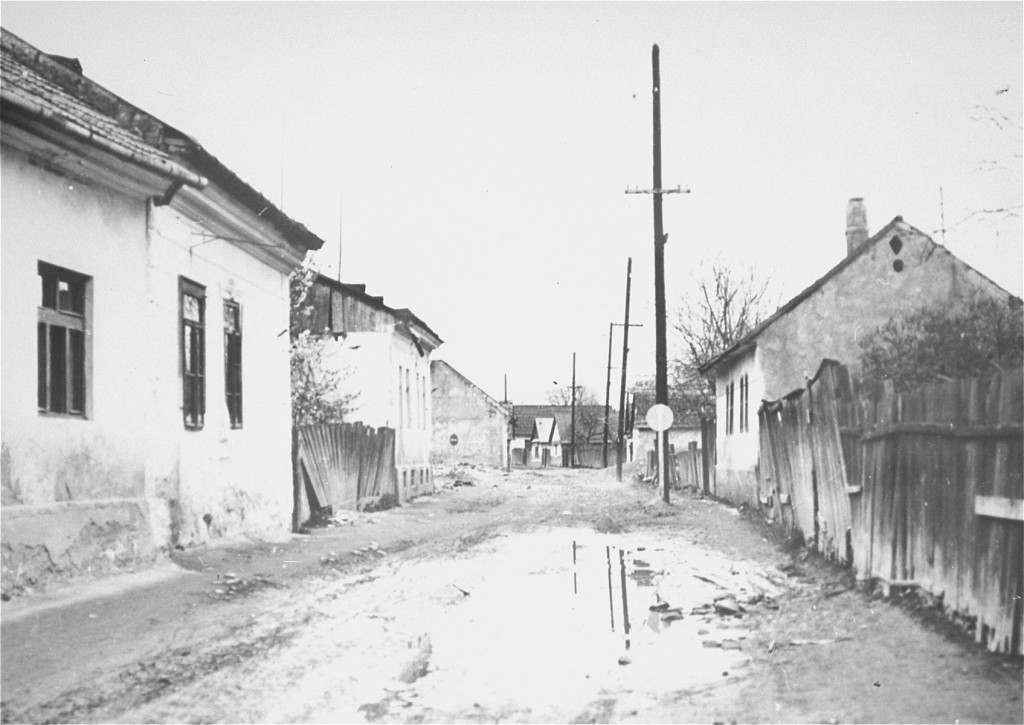
A deserted street in Sighet (Sighetu Marmației) in Hungarian-occupied Romania. In April–May 1944, this street was part of one of the ghettos that Hungarian authorities established in town. The photograph was taken shortly after the deportation of Jews from Sighet to Auschwitz in May 1944.
Item View![Deportation of Jews from the Jozsefvarosi train station in Budapest. [LCID: 74019]](https://encyclopedia.ushmm.org/images/large/38eec9fe-640e-4d31-a0ae-fc514edff412.jpeg "Deportation of Jews from the Jozsefvarosi train station in Budapest. [LCID: 74019]")
Deportation of Jews from the Jozsefvarosi train station in Budapest. Hungary, November 1944.
Item View![Deportation of Hungarian Jews. Koszeg, Hungary, May 1944. [LCID: 68629c]](https://encyclopedia.ushmm.org/images/large/83d6a419-8abd-41d5-a19b-7d5b3e1eff4b.jpeg "Deportation of Hungarian Jews. Koszeg, Hungary, May 1944. [LCID: 68629c]")
Jewish deportees marching down a main street of Koszeg during the deportation of Hungarian Jews. Koszeg, Hungary, May 1944.
Item View![Jewish women, children and the elderly await deportation at the railroad station in Koszeg, a small town in northwestern Hungary. [LCID: 68628a]](https://encyclopedia.ushmm.org/images/large/382d5a54-f6e6-4c5c-bfd9-021135aff01c.jpeg "Jewish women, children and the elderly await deportation at the railroad station in Koszeg, a small town in northwestern Hungary. [LCID: 68628a]")
Jewish women, children, and the elderly await deportation at the railroad station in Koszeg, a small town in northwestern Hungary. Koszeg, Hungary, 1944.
Item View![Jewish residents of the Szeged ghetto assemble for deportation. [LCID: 37207]](https://encyclopedia.ushmm.org/images/large/0fbf9dd0-98e7-4dfc-8d77-c46a31bda8dd.jpeg "Jewish residents of the Szeged ghetto assemble for deportation. [LCID: 37207]")
Jewish residents of the Szeged ghetto assemble for deportation. Szeged, Hungary, June 1944.
Item View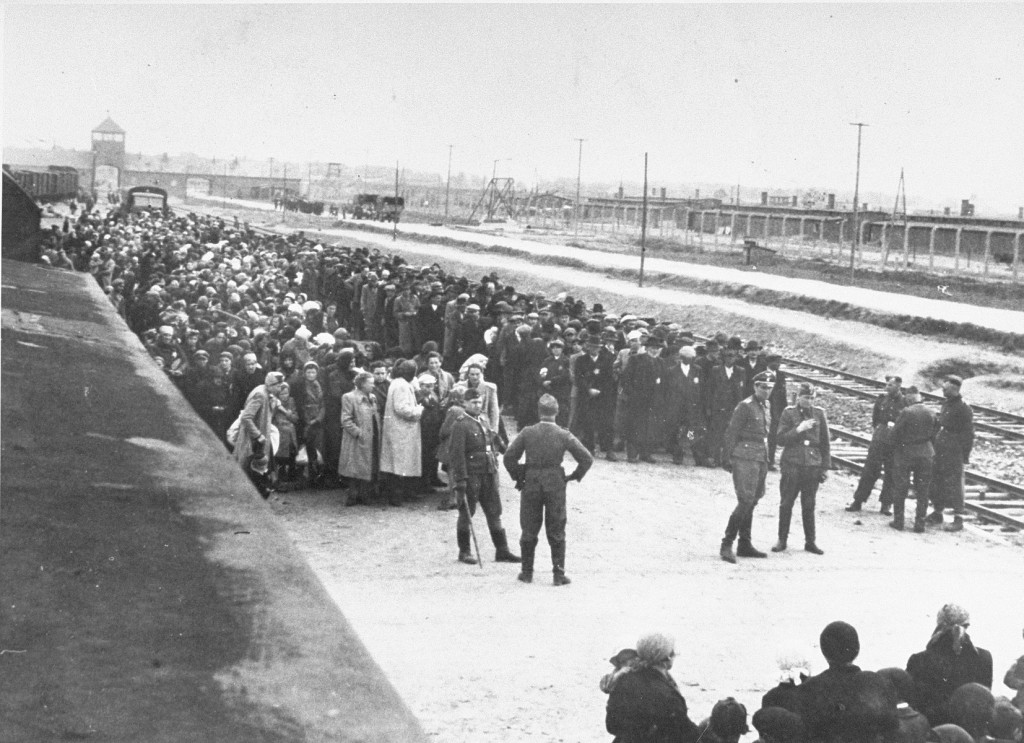
A photograph of Jews from Hungary who have just arrived at the Auschwitz-Birkenau killing center in 1944. They are standing in two lines in an area of Birkenau known as "the ramp," about to undergo the selection process. Women, teenage girls, and young children are in one line. In the other line are men and teenage boys. In the background, the main gate to Auschwitz-Birkenau is visible.
This photograph is from the Auschwitz Album (also called the “Lili Jacob Album,” after the Holocaust survivor who found it).
Item View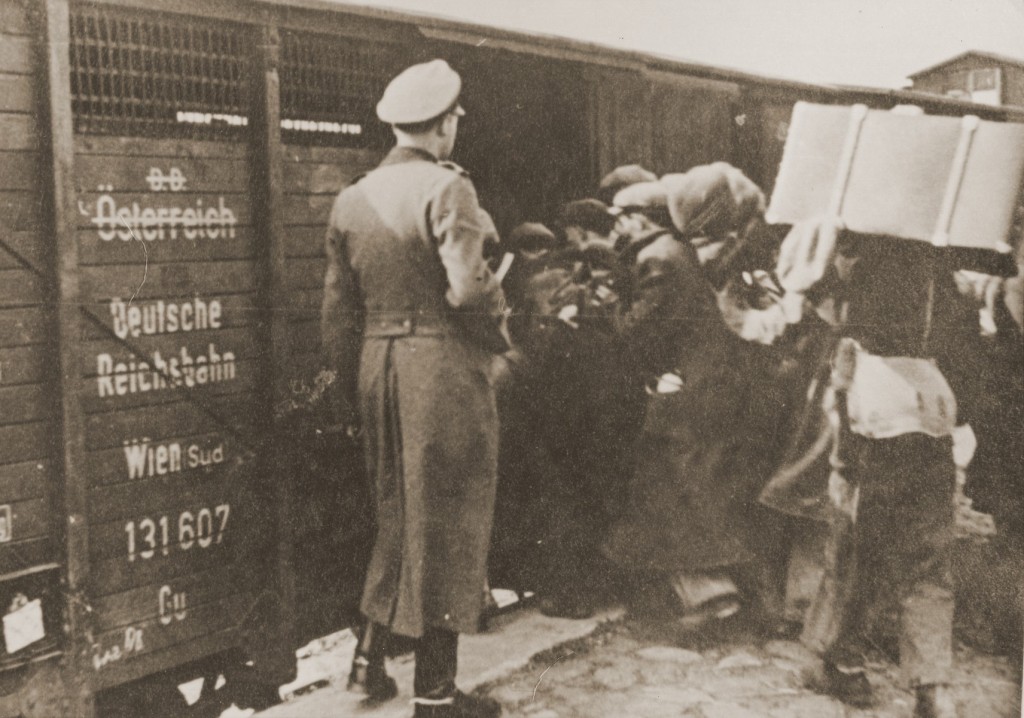
Jews are forced into boxcars for deportation to the Belzec killing center. Lublin, Poland, 1942.
Item View![Jews carrying their possessions during deportation to the Chelmno killing center. [LCID: 10047]](https://encyclopedia.ushmm.org/images/large/82cbdfa5-e49f-4de8-8a2d-47d55228a9c3.jpeg "Jews carrying their possessions during deportation to the Chelmno killing center. [LCID: 10047]")
Jews carrying their possessions during deportation from the Łódź ghetto to the Chełmno killing center. Jewish prisoner Mendel Grossman, who worked as an official photographer in the ghetto, took this photo. Łódź, Poland.
Item View![Under guard, Jewish men, women, and children board trains during deportation from Siedlce to the Treblinka killing center. [LCID: 11158]](https://encyclopedia.ushmm.org/images/large/62d82cfd-5c83-4eed-bc41-7b9e94fa2c6e.jpeg "Under guard, Jewish men, women, and children board trains during deportation from Siedlce to the Treblinka killing center. [LCID: 11158]")
Under guard, Jewish men, women, and children board trains during deportation from Siedlce to the Treblinka killing center. Siedlce, Poland, August 1942.
Item ViewWe would like to thank Crown Family Philanthropies, Abe and Ida Cooper Foundation, the Claims Conference, and BMF for supporting the ongoing work to create content and resources for the Holocaust Encyclopedia. View the list of all donors.


![Jews carrying their possessions during deportation to the Chelmno killing center. [LCID: 10047]](https://encyclopedia.ushmm.org/images/thumb/db07cf54-0dbe-4e18-89de-e672c1201ae7.jpeg)