
Theresienstadt as a Tool of Nazi Propaganda: The 1944 Film
During the Holocaust, the Nazis used the Theresienstadt (Terezín) ghetto as a tool of propaganda and deception. In 1944–1945, Nazi authorities created a film about the ghetto. The film deliberately misrepresented the horrific reality of deprivation, inequality, and fear that characterized daily life in Theresienstadt. The 1944 film was never shown publicly, and only fragments have survived.
Key Facts
-
1
The 1944 Nazi film about Theresienstadt was written and directed by Kurt Gerron. Gerron was a famous German Jewish actor and director, who was imprisoned in Theresienstadt.
-
2
This film’s title was Theresienstadt: A Documentary Film About the Jewish Settlement Area (Theresienstadt: Ein Dokumentarfilm aus dem jüdischen Siedlungsgebiet).
-
3
Many of the prisoners who worked on the film, including Gerron, were deported from Theresienstadt to Auschwitz in fall 1944 and murdered.
In 1944–1945, the Nazis created a propaganda film about the Theresienstadt (Terezín) ghetto. It was filmed in August–September 1944. The title was Theresienstadt: A Documentary Film About the Jewish Settlement Area (Theresienstadt: Ein Dokumentarfilm aus dem jüdischen Siedlungsgebiet). This film was not titled “Der Führer schenkt den Juden eine Stadt” (“The Führer gives the Jews a city”), even though some survivors and others have referred to it by this name. The film was deceptive. It deliberately misrepresented the horrific reality of deprivation, inequality, and fear that characterized daily life in Theresienstadt.
The film was completed in March 1945 and privately screened several times in April. Today, only short fragments or clips from the film (about 23 minutes) have been found.
Background: The Theresienstadt (Terezín) Ghetto
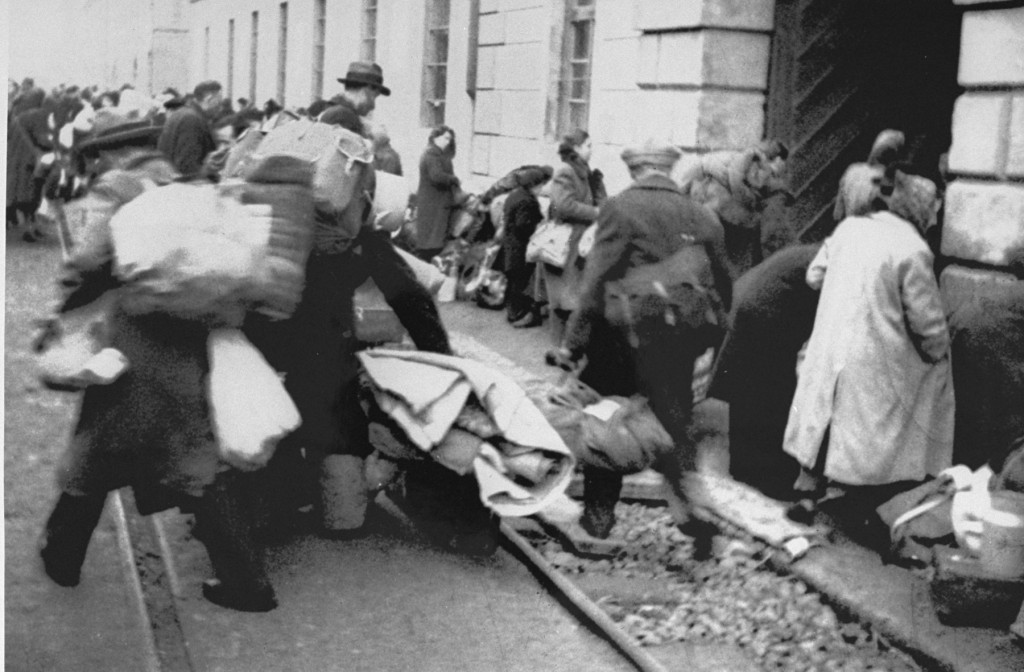
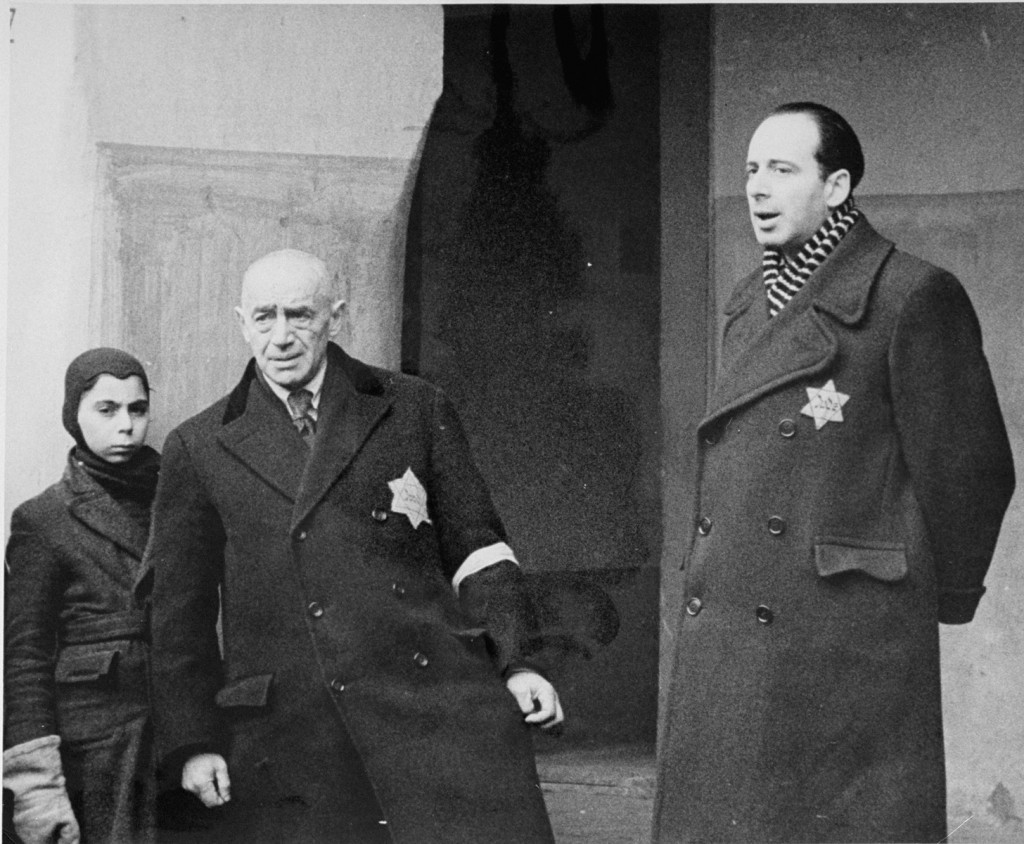
During the Holocaust, the Theresienstadt (Terezín) ghetto was a site of imprisonment for more than 140,000 Jews. It was located in the Protectorate of Bohemia and Moravia. It existed for about three and a half years from November 1941 until May 1945. Theresienstadt played several important roles in the Nazis’ persecution and murder of Jews. It was a transit ghetto, where Czech Jews were temporarily held prior to their deportation. Theresienstadt also served as a special “ghetto for the elderly” (Altersghetto). Nazi German authorities deported certain groups of German and Austrian Jews to Theresienstadt. They included elderly people, decorated World War I veterans, and certain well-known figures.
Theresienstadt was deadly. About 34,000 Jews died in the ghetto. Nazi SS authorities deported about 88,000 people from Theresienstadt to other ghettos, camps, killing sites, and killing centers in German-occupied eastern Europe. Of these, only 3,500 people survived. In total, more than 75 percent of the Jewish prisoners sent to Theresienstadt died in the ghetto or after being deported from Theresienstadt to other sites.
Film Footage of Theresienstadt Before 1944
While the 1944 movie is the best-known film from Theresienstadt, it was not the only footage taken in the ghetto. Almost two years earlier, in fall 1942, a film crew took footage for a movie about a Jewish family’s journey from Prague to Theresienstadt. Jewish prisoner Irena Dodalová, who was an experienced filmmaker, directed the filming in the ghetto. Dodalová worked on the movie with SS officers and other imprisoned Jews, including artist Peter Kien. It is unclear exactly who in the Nazi regime ordered the creation of this 1942 film and why. A full copy of the film has never been found. However, some footage was smuggled out of the ghetto during World War II. This smuggled footage was rediscovered after the war. The footage from 1942 was not part of the 1944 film.
The Genesis of the 1944 Film About Theresienstadt
Nazi SS officer Hans Günther was the driving force behind the creation of the 1944 film about Theresienstadt. Günther was stationed in Prague. He oversaw the Theresienstadt ghetto and the deportation of Jews from the Protectorate of Bohemia and Moravia. His specific goal in creating the film is unclear, but the timing suggests it may have been related to other attempts to deceive the outside world, including a Red Cross visit planned for the summer. Günther likely ordered preparations for filming in late 1943, and the first day of production was set for sometime in January 1944.
On January 20, a Prague-based film crew took footage of a transport of 870 Jews arriving from the Westerbork transit camp in the German-occupied Netherlands. The film crew was from Aktualita, a privately-owned Czech film company that produced short films and newsreels. The camera crew included Karel Pečený (the owner of Aktualita), two cameramen (including Ivan Frič), two sound engineers, and a driver. They were sworn to secrecy by the Nazi authorities.
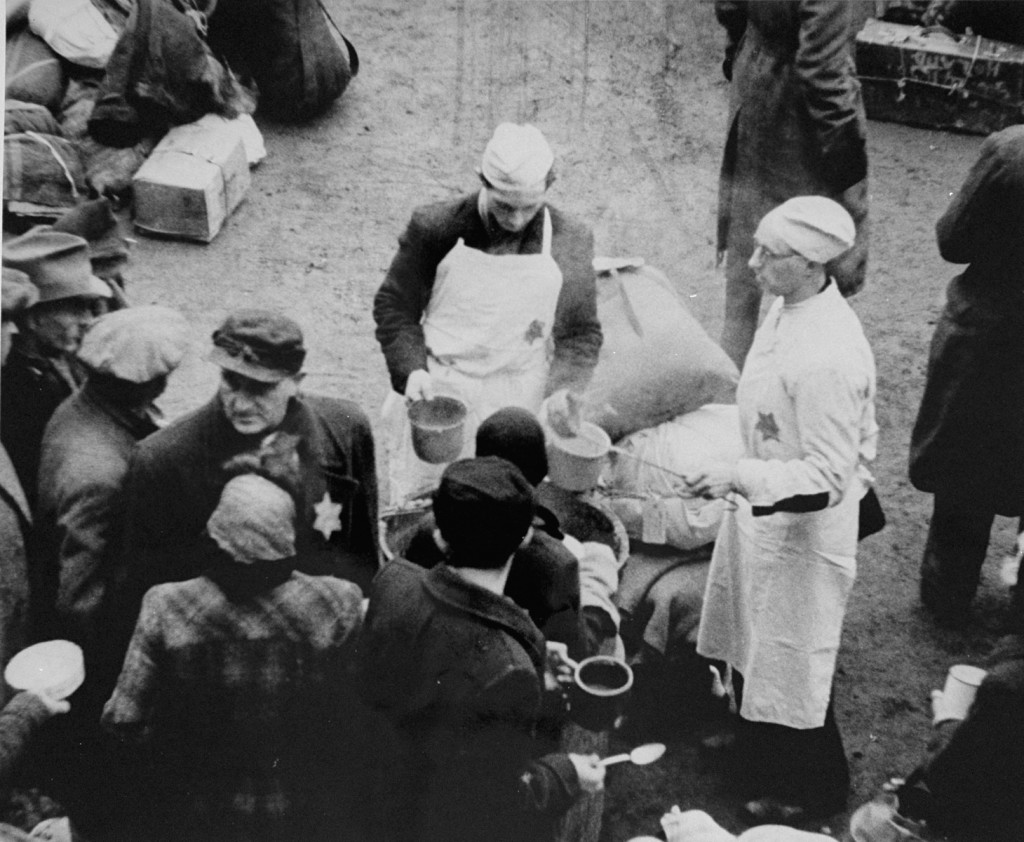
The film footage from January 1944 did not survive the war, but several still frames from the footage did. These still images show Jews arriving at the ghetto; being fed a meal by Theresienstadt prisoners wearing white aprons; and listening to a welcome speech. For unknown reasons, filming in Theresienstadt was paused, and this footage was not used in the final film.
Filming at Theresienstadt, August–September 1944
Production of the film about Theresienstadt resumed in summer 1944. This time, the film was put under the direction of Kurt Gerron. Gerron, a prisoner in Theresienstadt, had been a famous German Jewish actor and director before the war. He had been deported to Theresienstadt from Westerbork in February 1944. The film crew from Aktualita began taking footage on August 16. They continued filming off and on for the next month. They finished filming on September 11.
Today, about 23 minutes of the original 90-minute film have survived. But even these fragments show the film’s deceptive intentions. The voice-over narration is in German. It uses a neutral, documentary tone. The script underscores the Nazi lie that life in the ghetto was productive and pleasant. This portrayal was staged to misrepresent the horrific reality of deprivation, inequality, and fear that characterized daily life in Theresienstadt.
The fragments of the 1944 film show a “beautified” Theresienstadt. Many of the scenes were filmed in parts of the ghetto that had been built or renovated during the recent beautification campaign (Verschönerungsaktion). This beautification campaign took place before an official visit from the Red Cross on June 23, 1944. It had transformed part of Theresienstadt into a facade meant to make the ghetto area and life in the ghetto look far better than it was in reality. In the available film fragments, there are no guards, walls, or fences. And there is little indication that the people who appeared in the film are prisoners deprived of food, health care, and freedom.
For the most part, the people shown in the film footage are well-dressed, groomed, and appear healthy. In many scenes, they are smiling, talking, or laughing. They also appear to intently work, read, or watch various artistic performances. The only clue that the people in the film are Jewish is the Star of David badges that appear on their clothing.
The surviving clips include footage of men and women of all ages (including elderly people) relaxing, reading, playing chess, knitting, doing calisthenics, and drawing. Children eat buttered bread, play in a wading pool and on a playground, rock on rocking horses, and race each other. Adults and some children work in factories and workshops welding, sewing, and assembling purses. The film includes scenes of a medical procedure and of a clean and calm hospital with nurses and doctors. One longer clip shows children performing the children’s opera Brundibár. There are also clips of an orchestra performance and a soccer match.
The Fate of the Cast: Deportations from Theresienstadt, Fall 1944
After filming completed in September, the SS resumed deportations from the Theresienstadt ghetto. On September 28, 1944, the SS began deporting approximately 18,000 Jews from Theresienstadt to the Auschwitz-Birkenau killing center. There, most of the deportees were murdered upon arrival in gas chambers. Many of the people who appear in the film were among those deported. The last transport to Auschwitz left Theresienstadt on October 28, 1944. On board was the film’s director Kurt Gerron. He was murdered upon arrival at Auschwitz.
Screening the Film
Even though filming ended in September, Aktualita did not finish production until March 1945. The following month, the film was shown several times to small groups. This included an April 6 screening in Prague for Swiss representatives of the International Committee of the Red Cross and SS officers. There were also screenings in the ghetto on April 16. This screening was attended by SS officers. Other attendees at the screenings included Benjamin Murmelstein (the chairman of the Jewish Council of Elders); Rudolf Kasztner (a Hungarian Jewish leader); and, probably, Benoît Musy (a Swiss racecar driver whose father was a politician). Murmelstein, Kasztner, and Musy were all involved in negotiations with the SS related to the fate of the Jews still imprisoned in Theresienstadt.
The screenings of the film took place just weeks before the end of World War II in Europe. The film likely had little, if any, effect on the course of the Holocaust or the fate of the prisoners remaining in the Theresienstadt ghetto.
Footnotes
-
Footnote reference1.
This statistic refers to the approximately 140,000 Jews deported to the Theresienstadt ghetto between November 24, 1941, and April 20, 1945. In addition to these Jewish prisoners, approximately 15,000 concentration camp prisoners were evacuated to Theresienstadt in the last weeks of World War II. Most, but not all, of these prisoners were Jewish. When this group of 15,000 is added to the 140,000 Jews who were sent to Theresienstadt prior to April 20, the total number of prisoners of the ghetto reaches about 155,000.
-
Footnote reference2.
Günther was in charge of the Central Office for the Regulation of the Jewish Question in Bohemia and Moravia (Zentralamt für die Regelung der Judenfrage in Böhmen und Mähren), formerly known as the Central Office for Jewish Emigration in Prague (Zentralstelle für jüdische Auswanderung in Prag). He worked for SS Officer Adolf Eichmann, who was in charge of Office IV B 4 of the Reich Security Main Office (RSHA).