
Theresienstadt: Key Dates
This timeline includes key events in the history of the Theresienstadt (Terezín) ghetto.
Key Facts
-
1
German authorities established the Theresienstadt ghetto in November 1941 as a transit ghetto for Czech Jews and as an old-age ghetto for German and Austrian Jews.
-
2
Beginning in January 1942, German authorities deported tens of thousands of Jews from Theresienstadt to other ghettos, killing sites, and killing centers. Most of the deportees were murdered.
-
3
In 1944, the Nazis used Theresienstadt as a tool of propaganda and deception to trick international observers into believing conditions in the ghetto were good.
During the Holocaust, the Theresienstadt (Terezín) ghetto was a site of imprisonment for more than 140,000 Jews. The Theresienstadt ghetto was located in the Czech town of Terezín (in German, Theresienstadt) in the Protectorate of Bohemia and Moravia.
The Nazis established the Theresienstadt ghetto in November 1941. Over the next several years, Theresienstadt played several important roles in the Nazis’ persecution and murder of Jews. It simultaneously served as a transit ghetto and an old-age ghetto. Eventually, the Nazis also used it as a propaganda tool to trick international observers into believing that conditions in the ghetto were good.
This timeline includes key events in the history of the Theresienstadt ghetto. Specifically, it includes:
- major developments in the establishment and administration of the ghetto;
- select deportations of Jewish people to and from Theresienstadt;
- significant events in the ghetto’s cultural life;
- instances of the Nazis using Theresienstadt as a tool of propaganda and deception; and
- the arrival and deportation of well-known victims and survivors.
This timeline is not an exhaustive list of all events related to the Theresienstadt ghetto.
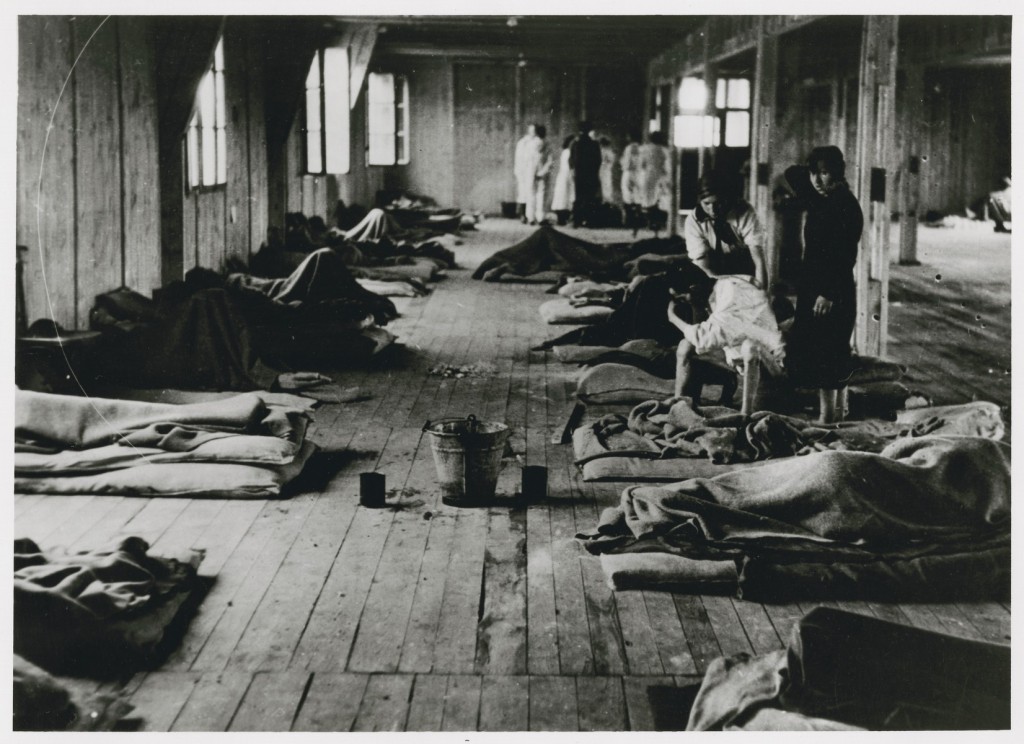
1941: The Establishment of Theresienstadt
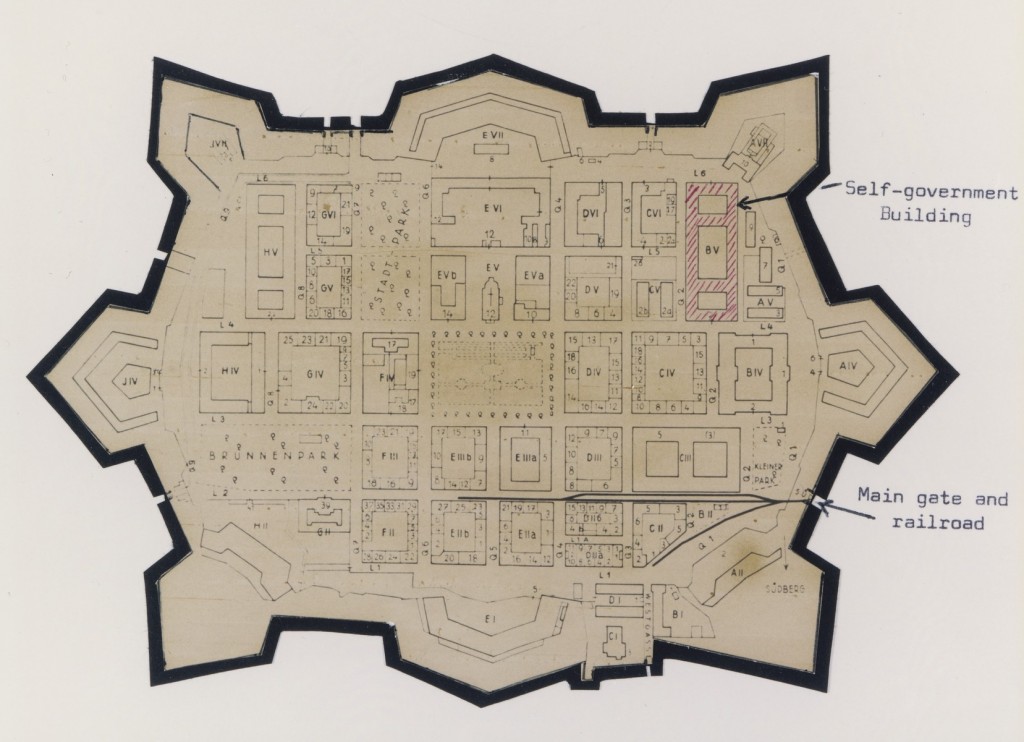
October 10, 1941: Heydrich References Theresienstadt in a Meeting About the Deportation of Czech Jews
SS officer Reinhard Heydrich holds a meeting to talk about the upcoming deportations of Czech Jews. Heydrich is the head of the Reich Security Main Office (RSHA) and acting leader of the Protectorate of Bohemia and Moravia. Other participants in the meeting include: Karl Hermann Frank, the Higher SS and Police Leader for the Protectorate; Adolf Eichmann, the head of RSHA’s Jewish Office (formally Office IV B 4); and Eichmann’s subordinate Hans Günther, the head of the Central Office for Jewish Emigration in Prague (Zentralstelle für jüdische Auswanderung in Prag). At this meeting, the participants discuss using Theresienstadt as a transit site to facilitate the deportations of Jews from the Protectorate.
November 1941: Siegfried Seidl Appointed Commandant of Theresienstadt
Heydrich appoints SS officer Siegfried Seidl as commandant of the Theresienstadt ghetto. Seidl is experienced with anti-Jewish measures. He has been working with Adolf Eichmann to persecute Jews in other parts of German-occupied Europe.
November 17–18, 1941: Czech Gendarmes Arrive at Theresienstadt
Gendarmerie Captain Theodor Janeček (an ethnic German from Czechoslovakia) and Czech gendarmes under his command arrive at Theresienstadt. Their task is to guard the perimeter of the ghetto.
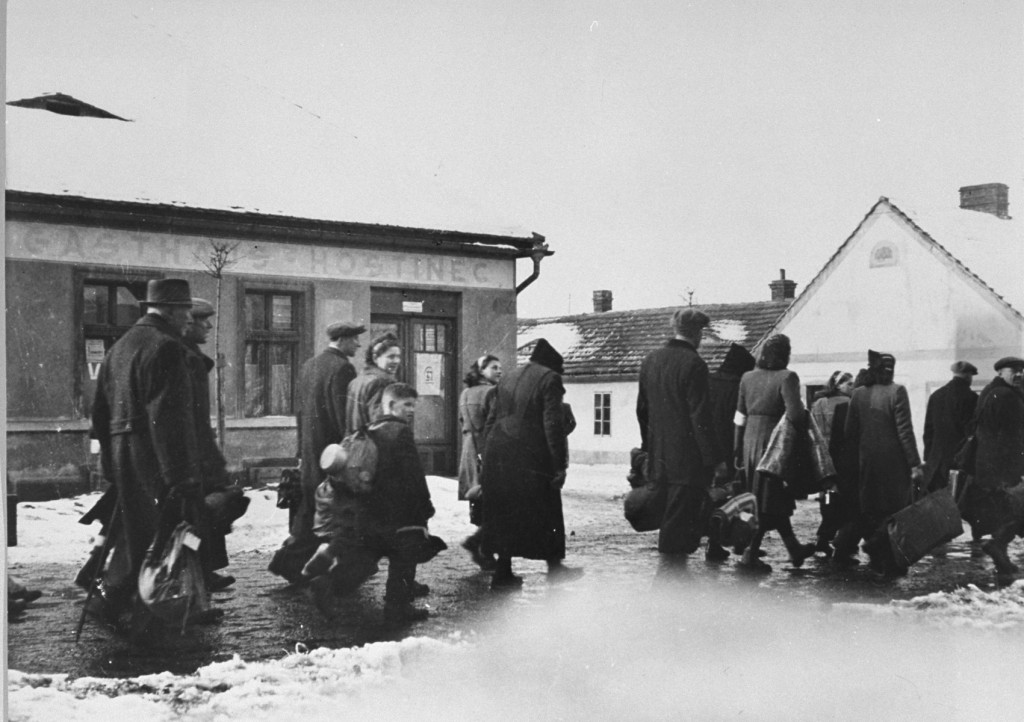
November 24, 1941: First Prisoners Arrive at Theresienstadt
On November 24, the first 342 Czech Jews arrive at Theresienstadt from Prague. This group of young, able-bodied men is tasked with preparing the ghetto’s infrastructure. This transport is known as Aufbaukommando I (construction commando I) or AK I.
November 30, 1941: Systematic Transports of Czech Jews to Theresienstadt Begin
The systematic, mass transport of Czech Jews to the Theresienstadt ghetto begins on November 30, 1941. A transport from Prague carrying about 1,000 Jews arrives at the ghetto that day.
December 4, 1941: Arrival of First Council of Elders
A transport including the first members of the Council of Elders arrives at Theresienstadt on December 4, 1941. Among them is Jakob Edelstein, the first chairman of the Council of Elders. That same day, another transport of about 1,000 Jewish men arrives. These men will also serve as part of the Aufbaukommando. This second transport is commonly called Aufbaukommando II or AK II.
December 10, 1941: A Transport from Prague Arrives at Theresienstadt
A transport of about 1,000 Jews from Prague arrives at Theresienstadt. Among them is twelve-year-old Helga Hošková-Weissová. She keeps a diary which she publishes in English translation in 2013 as Helga's Diary: A Young Girl's Account of Life in a Concentration Camp.
1942: The First Year of Deportations from Theresienstadt
January 9, 1942: First Transport of Czech Jews from Theresienstadt to Riga
SS authorities deport the first transport of Czech Jews to German-occupied eastern Europe. The transport carries about 1,000 people to Riga in German-occupied Latvia. There, most are imprisoned in the Riga ghetto. Very few people from this transport survive the Holocaust.
January 19, 1942: Adolf Eichmann Visits Theresienstadt
Adolf Eichmann inspects the Theresienstadt ghetto. He visits a barrack to examine the construction progress. The next day, Eichmann attends the Wannsee Conference.
January 20, 1942: The Wannsee Conference
At the Wannsee Conference, Reich Security Main Office (RSHA) chief Heydrich discusses the plan for the mass murder of Europe’s Jews with high-ranking Nazi Party and German government officials. During the meeting, Heydrich specifically references Theresienstadt. The minutes of this meeting state: “It is intended not to evacuate Jews of more than 65 years of age but to send them to an old-age ghetto—Theresienstadt is being considered for this purpose.” The minutes also reference sending wounded or decorated Jewish World War I veterans to Theresienstadt.
February 8, 1942: A Transport of Jews from Prague Arrives at Theresienstadt
A transport of approximately 1,000 Jews from Prague arrives at Theresienstadt. Among them is thirty-one-year-old Hans Günther Adler (later known as H. G. Adler). He survives the war. He goes on to write a comprehensive history of the Theresienstadt ghetto and several works of fiction.
February 16, 1942: Heydrich Orders Expulsion of Non-Jewish Civilians from Theresienstadt
Heydrich issues a decree ordering the expulsion of non-Jewish civilians from Theresienstadt. The approximately 3,000 residents have until June 30 to leave. Eventually, the ghetto takes over the whole city.
March 11, 1942: Deportation of Czech Jews from Theresienstadt to Ghettos in the General Government Begins
A transport of about 1,000 Czech Jews is deported from Theresienstadt to the Izbica ghetto in the General Government (part of German-occupied Poland). Throughout the spring of 1942, transports from Theresienstadt arrive at Izbica and other ghettos in the General Government, including Piaski, Rejowiec, Zamość, and Warsaw. In these ghettos, Czech Jews face harsh conditions. Almost all who survive the rampant disease and starvation in these ghettos are later murdered, usually in killing centers.
April 4, 1942: A Transport of Czech Jews Arrives from Brno
On April 4, 1942, a transport of about 1,000 Czech Jews from Brno arrives at Theresienstadt. Among them is Ruth Elias. Ruth survives Theresienstadt and goes on to publish a memoir titled in English Triumph of Hope: From Theresienstadt and Auschwitz to Israel (1998).
May 21, 1942: The RSHA Issues Instructions About Theresienstadt
The RSHA issues a decree clarifying which groups of Jews from Germany should be sent to the Theresienstadt ghetto. This includes elderly Jews, which German authorities define as Jews over the age 65, as well as frail (gebrechliche) Jews over 55 and their spouses. Another group of Jews who would be sent to Theresienstadt are highly decorated or wounded Jewish World War I veterans and their spouses. Also destined for Theresienstadt are Jews who had previously been married to non-Jews (but were no longer married due to death or divorce) as well as adults and certain teenagers who had been categorized under the Nuremberg Race Laws as "Geltungsjude."
June 2, 1942: First Transport of German Jews Arrives at Theresienstadt
The first transport of 50 German Jews arrives at Theresienstadt from Berlin. Most of the Jewish deportees are over the age of 60. The oldest, Johanna Gumpel, is 94 years old. She dies in Theresienstadt five months later.
June 21, 1942: First Transport of Austrian Jews Arrives at Theresienstadt
The first transport of Austrian Jews—about 1,000 Jews from Vienna—arrives at Theresienstadt. Almost all of them are over the age of 60.
July 14, 1942: Transport of Jews from Theresienstadt to the Maly Trostenets Killing Site
On July 14, 1942, a transport of about 1,000 people leaves Theresienstadt. Most of the deportees are Czech Jews who had spent only a short period of time in the ghetto. On board the transport is also a smaller number of German and Austrian Jews. These people are taken to the Maly Trostenets killing site, near Minsk in German-occupied Belarus. There, most of them are murdered.
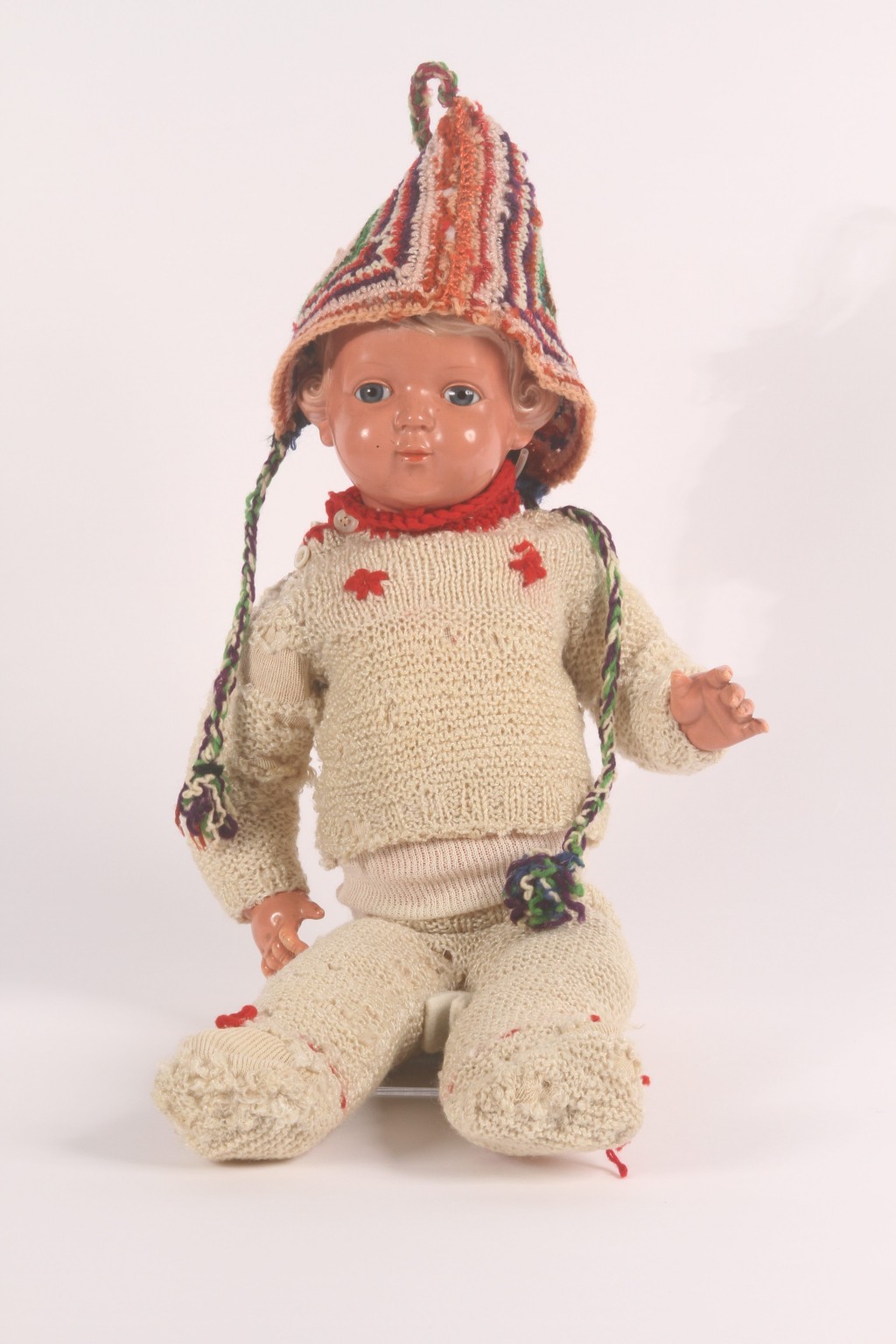
August 23, 1942: A Transport of Jews from Stuttgart, Germany, Arrives at Theresienstadt
A transport of about 1,000 German Jews from Stuttgart, Germany, arrives at Theresienstadt. Among the Jews on board is seven-year-old Inge Auerbacher and her parents. Inge’s father, Berthold, is a decorated World War I veteran. The family survives the Holocaust. Inge goes on to write about her experiences as a child survivor of Theresienstadt.
September 19, 1942: First Transport of Elderly Jews Departs for the Treblinka Killing Center
On September 19, 1942, a transport of about 2,000 elderly Jews from Germany and Austria leaves Theresienstadt for the Treblinka killing center. Although smaller numbers of German and Austrian Jews had been deported from Theresienstadt on earlier transports, this is the first major deportation targeting them. This transport is one of eight transports of elderly Jews to Treblinka in September and October. There are no known survivors from these transports.
October 8, 1942: A Transport of Czech Jews Departs for Treblinka
On October 8, German authorities deport 1,000 Czech Jews from Theresienstadt to the Treblinka killing center. The overwhelming majority are murdered in the gas chambers upon arrival. Karel Unger and Richard Glazar are among the small number of men kept alive for forced labor. They escape Treblinka during the August 1943 revolt and survive the Holocaust. After the war, Glazar writes a memoir, translated into English in 1995 as Trap with a Green Fence: Survival in Treblinka.
October 26, 1942: First Transport from Theresienstadt to Auschwitz
On October 26, 1942, the first transport from Theresienstadt to the Auschwitz-Birkenau killing center leaves the ghetto. From that point on, all large transports from Theresienstadt are destined for Auschwitz. Among them are Karel Bruml and his family.
November 28, 1942: First Opera Performance in the Theresienstadt Ghetto
On November 28, 1942, the Czech opera The Bartered Bride (Prodaná nevěsta) by Bedřich Smetana is performed in the ghetto. It is conducted by the prisoner Rafael Schächter. This is the first opera performance in Theresienstadt.
1943: New Arrivals
January 20, 1943: A New Wave of Deportations from Theresienstadt to Auschwitz Begins
Five transports of Czech Jews are deported from the Theresienstadt ghetto between January 20 and February 1, 1943. Many of the deportees have spent a week or less in Theresienstadt. Most are murdered upon arrival at Auschwitz.
Late January 1943: Reorganization of Jewish Council of Elders
In late January, Commandant Seidl informs the Jewish Elder Jakob Edelstein that the Council of Elders will be reorganized. Edelstein will be demoted to deputy. Paul Eppstein (from Berlin) will serve as the new elder. Additionally, Rabbi Benjamin Murmelstein (from Vienna) and Rabbi Leo Baeck (from Berlin) arrive in Theresienstadt in January. Both men had been prominent leaders in their respective cities and now become prominent figures in the ghetto.
February 2, 1943: Pause in Deportation Transports from Theresienstadt
A transport to Auschwitz leaves Theresienstadt on February 1, 1943. Afterwards, there is a long pause in deportations from the ghetto. This pause lasts until September 6, 1943.
The population of the ghetto on February 2 is about 44,000.
April 22, 1943: First Transport from the Netherlands Arrives at Theresienstadt
The first transport of Jews from the Netherlands arrives at Theresienstadt. Many of those on board are German and Austrian refugees or prominent Dutch Jews. Among them are satirical cartoonist, Jo Spier, and his family.
May 12, 1943: Ghetto Bank Begins Operation
A bank begins operating in Theresienstadt. It uses a currency or vouchers specially created for the ghetto.
June 27–28, 1943: The German Red Cross Visits Theresienstadt
Over two days, a delegation from the German Red Cross (Deutsche Rote Kreuz) visits Theresienstadt. Even though the German Red Cross had been thoroughly Nazified, the delegation informs their colleagues in Switzerland about the harsh conditions in the ghetto.
July 3, 1943: SS Officer Anton Burger Becomes Commandant of Theresienstadt
SS officer Anton Burger replaces Siegfried Seidl as the commandant of the Theresienstadt ghetto. Like Seidl, Burger is originally from Austria. He has years of experience persecuting and deporting Jews as part of his work with Adolf Eichmann.
August 24, 1943: Jewish Children from Białystok Arrive at Theresienstadt
German authorities bring 1,260 Jewish children from the Białystok ghetto (located in German-occupied Poland) to the Theresienstadt ghetto. At Theresienstadt, these children are separated from the other prisoners. Fifty-three adults are assigned to care for and supervise them.
September 6, 1943: Two Transports from Theresienstadt are Deported to Auschwitz and Imprisoned in the Czech Family Camp
Two transports of Jews (totaling about 5,000 prisoners) are deported from Theresienstadt to Auschwitz. Unlike most transports, this group does not undergo selection at Auschwitz. Instead, prisoners of all ages are registered in the camp and housed in a separate area of Auschwitz-Birkenau designated as “Section BIIb.” This section is commonly called the “Czech camp” or the “Theresienstadt family camp.”
September 23, 1943: First Performance of Brundibár in Theresienstadt
The first ghetto performance of the children’s opera Brundibár takes place. Czech Jewish composer Hans Krása and set designer František Zelenka are both prisoners of Theresienstadt. In total, Brundibár is performed 55 times in the Theresienstadt ghetto.
October 5, 1943: Deportation of Białystok Children from Theresienstadt to Auschwitz
SS authorities deport the children from Białystok and their 53 caregivers to Auschwitz. They are murdered in the gas chambers upon arrival. None survive.
October 5, 1943: First Transport of Danish Jews Arrives at Theresienstadt
In October 1943, German authorities deport 456 Jews from Denmark to Theresienstadt on three transports. The first arrives on October 5. In 1944, several more Danish Jews previously imprisoned in concentration camps are also sent to Theresienstadt. The Danish authorities repeatedly contact the German authorities to ensure the safety and well-being of the 470 Danish Jews in the Theresienstadt ghetto.
November 11, 1943: A Ghetto Census Takes Place
Commandant Burger conducts a census (Zählung) of all Jews in Theresienstadt. Prisoners are forced to stand in the freezing cold for many hours, while German authorities count them. There are about 40,000 Jews imprisoned in Theresienstadt at this time.
December 15 and 18, 1943: Transports from Theresienstadt to Auschwitz
The SS deports transports of Jews (again totaling about 5,000) from Theresienstadt to Auschwitz. Like those deported in September, these Jews are taken to Auschwitz-Birkenau and housed in Section BIIb (the Theresienstadt family camp). Among the prisoners is Jakob Edelstein, the former chairman of the Theresienstadt Council of Elders. At Auschwitz, Edelstein is separated from the other Theresienstadt prisoners and murdered on June 20, 1944.
1944: Theresienstadt as Propaganda
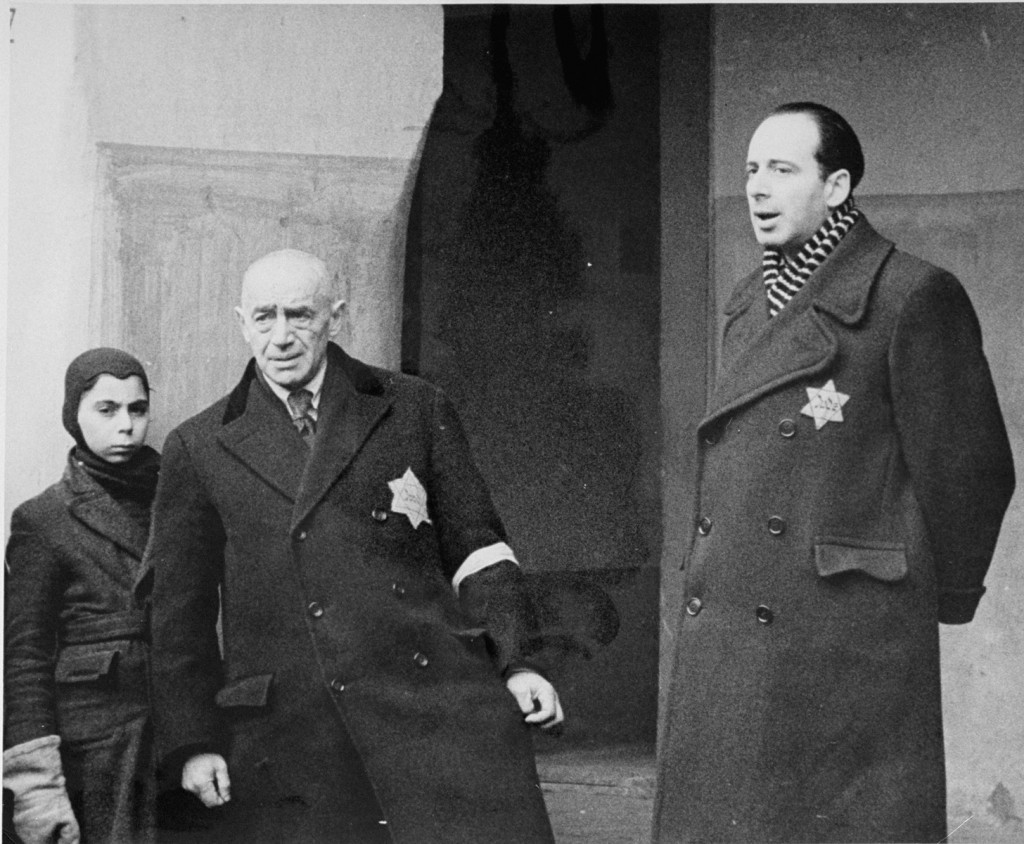
January 20, 1944: Filming Takes Place in Theresienstadt
A Czech film crew takes footage of a transport of Jews arriving in Theresienstadt. The transport includes 870 Jews. It had left the Westerbork transit camp two days earlier. The train arrives on January 19. Nazi authorities hold the train overnight at the nearby Bauschowitz train station in order to film the arrival of the deportees the following morning.
February 8, 1944: SS Officer Karl Rahm Becomes Commandant of Theresienstadt
SS officer Karl Rahm replaces Anton Burger as commandant of Theresienstadt. Burger is deployed to German-occupied Greece to oversee the deportation of Jews from Athens and other parts of southern Greece. Rahm, like his predecessors, is originally from Austria.
February–March, 1944: A “Beautification Campaign” Transforms Theresienstadt
In spring 1944, German authorities at Theresienstadt prepare for a visit from the International Committee of the Red Cross (ICRC), as well as Danish government officials. The Germans issue orders to beautify and embellish the ghetto. They force the inmates to create a music pavilion, decorative signs, a playground, and a theater. Barbed wire fences are removed. All of these changes are part of an elaborate hoax, intended to trick the international observers into believing that conditions in Theresienstadt are good.
March 2, 1944: Kommando Zossen Prisoners Leave the Ghetto
A work detail of about 200 men called Kommando Zossen leaves Theresienstadt. They are going to Wulkow, a subcamp of Sachsenhausen near Berlin. Their job is to build a partly underground office for the Reich Security Main Office (RSHA). Among the prisoners is twenty-two-year-old Bob Behr. Behr had been sent to Theresienstadt from Berlin in August 1942 because his stepfather was a decorated World War I veteran.
March 8–9, 1944: Murder of Jews in the Family Camp at Auschwitz
Nazi German authorities murder almost 3,800 Jews from the Theresienstadt family camp in the gas chambers of Auschwitz. The victims had been deported to Auschwitz in September 1943.
May 15–18, 1944: Deportations of Prisoners to Auschwitz
German authorities deport approximately 7,500 prisoners from Theresienstadt to Auschwitz on three transports. These deportations are intended to lessen overcrowding in the ghetto as part of the preparations for the upcoming visit by the ICRC and the Danish government. Once at Auschwitz, these Jews are imprisoned in the family camp. Among those deported are twelve-year-old Ruth Klüger and her mother. Ruth survives the Holocaust. She goes on to write a memoir published first in German and then in English. Ruth’s memoir is titled in English Still Alive: A Holocaust Girlhood Remembered (2001).
June 23, 1944: A Delegation of the Red Cross and Danish Government Visits Theresienstadt
On June 23, 1944, an international delegation visits Theresienstadt. The delegation includes one representative from the International Committee of the Red Cross (ICRC) and two officials from the Danish government (one of whom also represented the Danish Red Cross). The delegation’s visit is highly choreographed. They are shown only selected aspects of life in the ghetto, including cultural performances.
There are about 28,000 Jews imprisoned in Theresienstadt at the time.
July 10–12, 1944: Murder of the Last Jews in the Theresienstadt Family Camp at Auschwitz
On July 10–12, the SS murders thousands of Jewish men, women, and children who remain in the Theresienstadt family camp (Section BIIb) at Auschwitz. Most of the victims had been deported to Auschwitz and imprisoned in the family camp in December 1943 and May 1944. Earlier in July, the SS had carried out a number of selections, choosing certain prisoners from the family camp to keep alive for forced labor. On July 11, knowing she and her older son would soon be murdered, Vilma Grunwald writes a farewell letter to her husband, Kurt, who had been selected for labor with their younger son.
August 16–September 11, 1944: Filming Takes Place in the Ghetto
Beginning on August 16, a film crew begins taking footage of the Theresienstadt ghetto for a documentary. Filming lasts until September 11. The film is written and directed by Theresienstadt prisoner Kurt Gerron. Gerron is a famous German Jewish actor and director. He had been deported to Theresienstadt in 1944. It is filmed by cameramen from the Prague-based firm Aktualita. The documentary is a highly choreographed film that shows ghetto life through a positive lens, including a soccer match, theater performances, and daily life. The film does not show the harsh reality of life in Theresienstadt.
September 27, 1944: SS Murders the Chairman of the Jewish Council of Elders
The SS shoots Paul Eppstein, the Chairman of the Jewish Council of Elders. Eppstein, a German Jew from Berlin, served as chairman from January 1943 until his murder. He is replaced by Benjamin Murmelstein, an Austrian Jew from Vienna.
September 28, 1944: Final Wave of Deportations of Jews from Theresienstadt to Auschwitz Begins
Beginning on September 28, 1944, the SS deports approximately 18,000 Jews from Theresienstadt to Auschwitz in a series of 11 transports. Among them is Dr. Viktor Frankl, a psychiatrist from Vienna. Frankl survives and writes a memoir, published in German in 1946. The English translation of his memoir, Man’s Search for Meaning, is published in 1959.
October 28, 1944: Last Transport from Theresienstadt to Auschwitz
The last transport to Auschwitz leaves Theresienstadt on October 28, 1944. Among those deported is Kurt Gerron, a famous German Jewish actor and director. Just before being transported to Auschwitz, Gerron finished directing the Nazi documentary film about Theresienstadt.
At this time, approximately 11,000 Jews remain in the Theresienstadt ghetto.
December 23, 1944: Arrival of First Slovak Jews at Theresienstadt
The first transport of Slovak Jews from the Sered’ internment camp in Slovakia arrives at Theresienstadt. Three more transports follow in early 1945. In total about 1,450 Slovak Jews are deported to the Theresienstadt ghetto.
1945: The Last Months of the Theresienstadt Ghetto
January 1945: The RSHA Orders the Transport of Jews in Mixed Marriages to Theresienstadt
In January 1945, the Reich Security Main Office (RSHA) orders that Jews in Nazi Germany and the Protectorate of Bohemia and Moravia who are in existing mixed marriages be deported to Theresienstadt. Previously, mixed marriages had protected the Jewish partners from deportations. About 1,600 Jews are sent to Theresienstadt under this order, but the order is not carried out everywhere.
February 5, 1945: Rescue Transport to Switzerland Leaves Theresienstadt
About 1,210 Jews from Theresienstadt are sent to safety in neutral Switzerland in exchange for 5 million Swiss francs. This is the result of negotiations between the SS, a Swiss politician, and international Jewish aid organizations. The transport leaves Theresienstadt on February 5 and arrives in Switzerland on February 6.
March 8, 1945: Transport of Hungarian Jews Arrives at Theresienstadt from Strasshof
In March 1945, Nazi authorities send more than 1,000 Hungarian Jews to Theresienstadt. These Hungarian Jews had initially been deported from Debrecen, Hungary, to Strasshof (near Vienna) in May 1944. In spring 1945, German authorities agree to send these Jews from Strasshof to Theresienstadt following negotiations with Hungarian Jewish leader Rudolf Kasztner and other members of the Budapest “Aid and Rescue Committee.” Only one transport of Jews arrives.
April 6, 1945: International Committee of the Red Cross Representatives Visit Theresienstadt
On April 6, 1945, another ICRC commission visits Theresienstadt. The commission includes two ICRC officials, Paul Dunant and Otto Lehner. They are accompanied by Adolf Eichmann, among others.
April 15, 1945: Danish Jews Leave Theresienstadt on White Buses Provided by the Swedish Red Cross
On April 15, Danish Jews leave Theresienstadt on buses provided by the Swedish Red Cross. Count Folke Bernadotte of the Swedish Red Cross had negotiated with SS leader Heinrich Himmler to secure their release. In total, 423 Jews are liberated by the Swedish on April 15. This includes 412 Jews originally deported from Denmark. Most of the others are Jewish women who had married Jews from Denmark while in Theresienstadt and children who had been born in the ghetto.
April 20, 1945: Evacuated Concentration Camp Prisoners Begin to Arrive at Theresienstadt
The first evacuated concentration camp prisoners arrive at Theresienstadt on April 20, 1945. In total, about 15,000 prisoners evacuated from concentration camps arrive at the ghetto. This increases the ghetto population to approximately 30,000. Most, but not all, of the prisoners are Jewish.
May 2–6, 1945: The Red Cross Takes Control of Theresienstadt
In early May 1945, the International Committee of the Red Cross (ICRC) takes control of the Theresienstadt ghetto. Swiss ICRC representative Paul Dunant becomes responsible for Theresienstadt. SS officers and Czech gendarmes leave the ghetto and flee the area. Chief Elder Benjamin Murmelstein steps down from his role on the Council of Elders. The Jewish prisoners of Theresienstadt wait anxiously as the war comes to an end.
May 7–8, 1945: Nazi Germany Surrenders
On May 7, Nazi Germany signs an unconditional surrender at the headquarters of US General Dwight D. Eisenhower. The surrender will take effect on May 8 at 11:01 p.m. Central European Time (CET). In Theresienstadt, Dunant announces the surrender to the prisoners. Fighting continues in the area around Theresienstadt on May 7–8.
May 8–10, 1945: Soviet Troops Liberate and Take Control of Theresienstadt
Soviet troops enter the Theresienstadt ghetto on May 9. They take over responsibility for the prisoners from the International Committee of the Red Cross on May 10. Around 30,000 prisoners, mostly Jews, are in the ghetto at the time of liberation.
Footnotes
-
Footnote reference1.
This statistic refers to the approximately 140,000 Jews deported to the Theresienstadt ghetto between November 24, 1941, and April 20, 1945. In addition to these Jewish prisoners, approximately 15,000 concentration camp prisoners were evacuated to Theresienstadt in the last weeks of World War II. Most, but not all, of these prisoners were Jewish. When this group of 15,000 is added to the 140,000 Jews who were sent to Theresienstadt prior to April 20, the total number of prisoners of the ghetto reaches about 155,000.
-
Footnote reference2.
The Nuremberg Race Laws categorized people who had one or two Jewish grandparents as “Mischlinge,” meaning “mixed-race persons.” However, according to the law, certain people with two Jewish grandparents were considered “Geltungsjuden,” meaning that they counted as Jewish.
Critical Thinking Questions
What was the role of Theresienstadt in the Nazi strategy of deception? How was it different from the majority of concentration camps and ghettos?
Euphemisms are mild or indirect words or expressions used in place of those that are harsh or blunt. They can hide dangerous or illegal behavior. What expressions did the Nazis use to disguise their intentions or policies?
Research the artwork prisoners created under such extreme circumstances. What can we learn from these creations?