Oral History
Browse an alphabetical list of survivors’ oral histories. These interviews describe firsthand accounts and personal experiences during the Holocaust and World War II.
<< Previous | Displaying results 326-350 of 572 for "Oral History" | Next >>
-
Leon Bass describes his wartime experiences
Oral HistoryLeon Bass was born in Philadelphia, PA in 1925. He joined the US Army in 1943 and served as a member of the all-Black 183rd Engineer Combat Battalion attached to General Patton's Third Army. Leon's unit was involved in the Battle of the Bulge as well as the liberation of Buchenwald. After the war, Leon went on to receive his doctorate, teach, and speak about the Holocaust and racism. In this interview, Leon describes his first experiences with the realities of war and death. He reflects upon his…
-
Leopold Page describes an act of sabotage and clandestinely listening to radio broadcasts while in Bruennlitz
Oral HistoryLeopold was a teacher in Krakow, Poland, when World War II began in 1939. While serving in the Polish army, he was captured by Germans. Leopold escaped from a prisoner-of-war transport. Soon after, he met the German industrialist Oskar Schindler. The two became friends. Leopold was forced to live in the Krakow ghetto. He later worked in Schindler's factory in Bruennlitz. He and the other Jews who worked there were treated relatively well and protected from the Nazis. After the war, Leopold moved to the…
-
Leopold Page describes meeting German industrialist Oskar Schindler
Oral HistoryLeopold was a teacher in Krakow, Poland, when World War II began in 1939. While serving in the Polish army, he was captured by Germans. Leopold escaped from a prisoner-of-war transport. Soon after, he met the German industrialist Oskar Schindler. The two became friends. Leopold was forced to live in the Krakow ghetto. He later worked in Schindler's factory in Bruennlitz. He and the other Jews who worked there were treated relatively well and protected from the Nazis. After the war, Leopold moved to the…
-
Leopold Page describes the liquidation of the Krakow ghetto and escaping from the ghetto
Oral HistoryLeopold was a teacher in Krakow, Poland, when World War II began in 1939. While serving in the Polish army, he was captured by Germans. Leopold escaped from a prisoner-of-war transport. Soon after, he met the German industrialist Oskar Schindler. The two became friends. Leopold was forced to live in the Krakow ghetto. He later worked in Schindler's factory in Bruennlitz. He and the other Jews who worked there were treated relatively well and protected from the Nazis. After the war, Leopold moved to the…
-
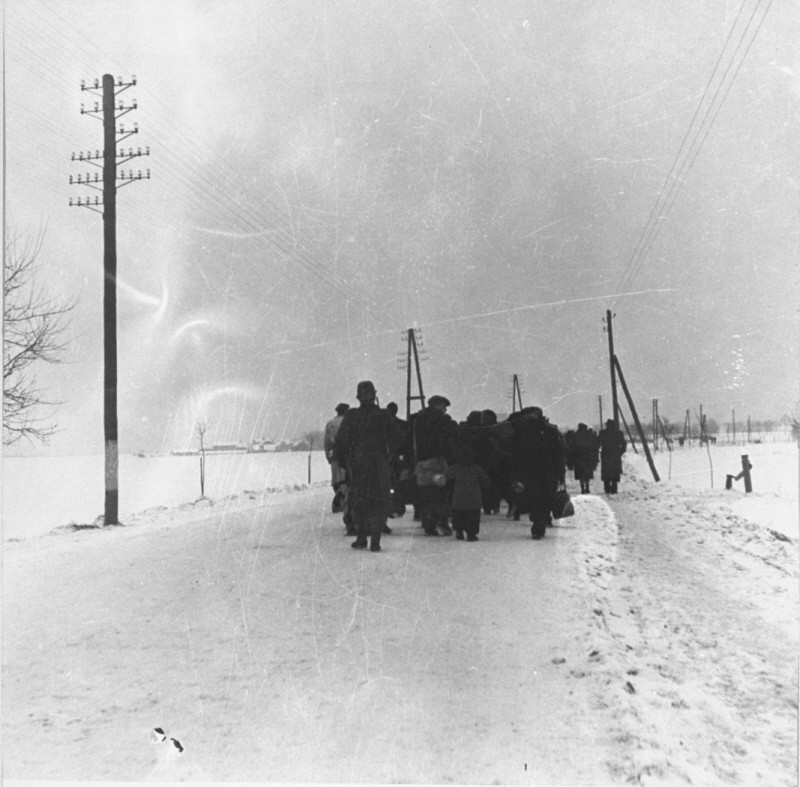
Lilly Appelbaum Malnik describes death march from Auschwitz to Bergen-Belsen
Oral HistoryGermany invaded Belgium in May 1940. After the Germans seized her mother, sister, and brother, Lilly went into hiding. With the help of friends and family, Lilly hid her Jewish identity for two years. But, in 1944, Lilly was denounced by some Belgians and deported to Auschwitz-Birkenau via the Mechelen camp. After a death march from Auschwitz, Lilly was liberated at Bergen-Belsen by British forces.
-
Lilly Appelbaum Malnik describes the process of registration in Auschwitz
Oral HistoryGermany invaded Belgium in May 1940. After the Germans seized her mother, sister, and brother, Lilly went into hiding. With the help of friends and family, Lilly hid her Jewish identity for two years. But, in 1944, Lilly was denounced by some Belgians and deported to Auschwitz-Birkenau via the Mechelen camp. After a death march from Auschwitz, Lilly was liberated at Bergen-Belsen by British forces.
-
Lily Mazur Margules describes death march from a labor camp near Stutthof
Oral HistoryLily was forced into a ghetto after the Germans occupied Vilna in 1941. She was forced to work until the liquidation of the ghetto in 1943 when she was deported to the Kaiserwald camp near Riga, Latvia. From there she was sent to work in the Duenawerke labor camp. She was deported by ship across the Baltic Sea to the Stutthof camp and was taken to a nearby labor camp. Lily was liberated during a death march which ended in the town of Krumau, East Prussia, in 1945.
-
Lily Mazur Margules describes the dehumanization she felt in the Kaiserwald camp
Oral HistoryLily was forced into a ghetto after the Germans occupied Vilna in 1941. She was forced to work until the liquidation of the ghetto in 1943 when she was deported to the Kaiserwald camp near Riga, Latvia. From there she was sent to work in the Duenawerke labor camp. She was deported by ship across the Baltic Sea to the Stutthof camp and was taken to a nearby labor camp. Lily was liberated during a death march which ended in the town of Krumau, East Prussia, in 1945.
-
Liny Pajgin Yollick describes fleeing to France from Antwerp
Oral HistoryIn May 1940, the Germans occupied the Netherlands. In 1942, it took Liny, her mother, and her sister six months to escape to southern France. They pretended to be Protestant, obtained visas to travel through Spain and Portugal, and were on one of the last trains to cross into Spain after the Germans took over southern France. They boarded a Portuguese ship bound for Dutch Guiana (Suriname). Liny was placed in a refugee camp, and then worked in the Dutch embassy in Washington D.C. She eventually settled in…
-
Liny Pajgin Yollick describes how hiding their Jewish identity saved her family's life in Nice, France
Oral HistoryIn May 1940, the Germans occupied the Netherlands. In 1942, it took Liny, her mother, and her sister six months to escape to southern France. They pretended to be Protestant, obtained visas to travel through Spain and Portugal, and were on one of the last trains to cross into Spain after the Germans took over southern France. They boarded a Portuguese ship bound for Dutch Guiana (Suriname). Liny was placed in a refugee camp, and then worked in the Dutch embassy in Washington D.C. She eventually settled in…
-
Lucille Szepsenwol Camhi describes obtaining Japanese transit visas from Chiune Sugihara in Kovno
Oral HistoryLucille's father died three months before she was born. Lucille's mother decided to immigrate to the United States with Lucille and her sister, Fejga. They completed all the paperwork, but were unable to get their final papers because of the German invasion of Poland in 1939. Volozhin was in the Soviet-occupied zone of Poland. Lucille and her sister feared arrest by the Soviets because they were members of a Jewish Zionist youth group. The girls fled to Vilna, where their mother later joined them. Their…
-
Lucille Szepsenwol Camhi describes saying goodbye to her mother when leaving for Vilna with her sister
Oral HistoryLucille's father died three months before she was born. Lucille's mother decided to immigrate to the United States with Lucille and her sister, Fejga. They completed all the paperwork, but were unable to get their final papers because of the German invasion of Poland in 1939. Volozhin was in the Soviet-occupied zone of Poland. Lucille and her sister feared arrest by the Soviets because they were members of a Jewish Zionist youth group. The girls fled to Vilna, where their mother later joined them. Their…
-
Lucine Horn describes conditions in the Lublin ghetto
Oral HistoryLucine was born to a Jewish family in Lublin. Her father was a court interpreter and her mother was a dentist. War began with the German invasion of Poland on September 1, 1939. Lucine's home was raided by German forces shortly thereafter. Soon after the German occupation of Lublin, Jews there were forced to wear a compulsory badge identifying them as Jews. A ghetto in Lublin was closed off in January 1942. Lucine survived a series of killing campaigns and deportations from the ghetto during March and…
-
Lucine Horn describes her escape from the Majdan Tatarski ghetto
Oral HistoryLucine was born to a Jewish family in Lublin. Her father was a court interpreter and her mother was a dentist. War began with the German invasion of Poland on September 1, 1939. Lucine's home was raided by German forces shortly thereafter. Soon after the German occupation of Lublin, Jews there were forced to wear a compulsory badge identifying them as Jews. A ghetto in Lublin was closed off in January 1942. Lucine survived a series of killing campaigns and deportations from the ghetto during March and…
-
Lucine Horn describes obtaining false papers to assume the identity of an "Aryan" outside the Warsaw ghetto
Oral HistoryLucine was born to a Jewish family in Lublin. Her father was a court interpreter and her mother was a dentist. War began with the German invasion of Poland on September 1, 1939. Lucine's home was raided by German forces shortly thereafter. Soon after the German occupation of Lublin, Jews there were forced to wear a compulsory badge identifying them as Jews. A ghetto in Lublin was closed off in January 1942. Lucine survived a series of killing campaigns and deportations from the ghetto during March and…
-
Lucine Horn describes the German occupation of Lublin
Oral HistoryLucine was born to a Jewish family in Lublin. Her father was a court interpreter and her mother was a dentist. War began with the German invasion of Poland on September 1, 1939. Lucine's home was raided by German forces shortly thereafter. Soon after the German occupation of Lublin, Jews there were forced to wear a compulsory badge identifying them as Jews. A ghetto in Lublin was closed off in January 1942. Lucine survived a series of killing campaigns and deportations from the ghetto during March and…
-
Ludmilla Page describes a celebration of Oskar Schindler's birthday in Bruennlitz toward the end of the war
Oral HistoryLudmilla was born to an assimilated Jewish family in Kishinev, Romania. She and her mother, a physician, were living in Poland when the Germans invaded on September 1, 1939. They were taken to Krakow. Ludmilla was forced to live in the Krakow ghetto; her mother was sent to the Warsaw ghetto. Ludmilla worked in a factory at the Plaszow labor camp for a businessman who was a friend of the German industrialist Oskar Schindler. In October 1944, Schindler attempted to save some Jewish workers by relocating them…
-
Ludmilla Page describes arrival at the Brünnlitz munitions factory
Oral HistoryLudmilla was born to an assimilated Jewish family in Kishinev, Romania. She and her mother, a physician, were living in Poland when the Germans invaded on September 1, 1939. They were taken to Krakow. Ludmilla was forced to live in the Krakow ghetto; her mother was sent to the Warsaw ghetto. Ludmilla worked in a factory at the Plaszow labor camp for a businessman who was a friend of the German industrialist Oskar Schindler. In October 1944, Schindler attempted to save some Jewish workers by relocating them…
-
Ludmilla Page describes conditions in Oskar Schindler's munitions factory in Brünnlitz
Oral HistoryLudmilla was born to an assimilated Jewish family in Kishinev, Romania. She and her mother, a physician, were living in Poland when the Germans invaded on September 1, 1939. They were taken to Krakow. Ludmilla was forced to live in the Krakow ghetto; her mother was sent to the Warsaw ghetto. Ludmilla worked in a factory at the Plaszow labor camp for a businessman who was a friend of the German industrialist Oskar Schindler. In October 1944, Schindler attempted to save some Jewish workers by relocating them…
-
Ludmilla Page describes German industrialist Oskar Schindler
Oral HistoryLudmilla was born to an assimilated Jewish family in Kishinev, Romania. She and her mother, a physician, were living in Poland when the Germans invaded on September 1, 1939. They were taken to Krakow. Ludmilla was forced to live in the Krakow ghetto; her mother was sent to the Warsaw ghetto. Ludmilla worked in a factory at the Plaszow labor camp for a businessman who was a friend of the German industrialist Oskar Schindler. In October 1944, Schindler attempted to save some Jewish workers by relocating them…
-
Ludmilla Page describes leaving Auschwitz and arriving at the Bruennlitz munitions factory in the Sudetenland
Oral HistoryLudmilla was born to an assimilated Jewish family in Kishinev, Romania. She and her mother, a physician, were living in Poland when the Germans invaded on September 1, 1939. They were taken to Krakow. Ludmilla was forced to live in the Krakow ghetto; her mother was sent to the Warsaw ghetto. Ludmilla worked in a factory at the Plaszow labor camp for a businessman who was a friend of the German industrialist Oskar Schindler. In October 1944, Schindler attempted to save some Jewish workers by relocating them…
-
Ludmilla Page describes sabotage during production of munitions in Oskar Schindler's factory in Brünnlitz
Oral HistoryLudmilla was born to an assimilated Jewish family in Kishinev, Romania. She and her mother, a physician, were living in Poland when the Germans invaded on September 1, 1939. They were taken to Krakow. Ludmilla was forced to live in the Krakow ghetto; her mother was sent to the Warsaw ghetto. Ludmilla worked in a factory at the Plaszow labor camp for a businessman who was a friend of the German industrialist Oskar Schindler. In October 1944, Schindler attempted to save some Jewish workers by relocating them…
-
Ludmilla Page recalls arriving in Auschwitz instead of Oskar Schindler's munitions factory in Brünnlitz
Oral HistoryLudmilla was born to an assimilated Jewish family in Kishinev, Romania. She and her mother, a physician, were living in Poland when the Germans invaded on September 1, 1939. They were taken to Krakow. Ludmilla was forced to live in the Krakow ghetto; her mother was sent to the Warsaw ghetto. Ludmilla worked in a factory at the Plaszow labor camp for a businessman who was a friend of the German industrialist Oskar Schindler. In October 1944, Schindler attempted to save some Jewish workers by relocating them…
-
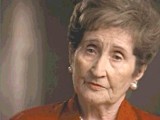
Madeline Deutsch describes adjusting to social and educational life after the war
Oral HistoryMadeline was born into a middle class family in an area of Czechoslovakia that was annexed by Hungary in 1938-1939. Her father worked out of their home and her mother was a homemaker. Madeline attended high school. In April 1944 her family was forced into a Hungarian ghetto. The family lived in the ghetto for two weeks before being transported to Auschwitz. Madeline and her mother were separated from her father and older brother. Neither her father nor brother survived the war. A week after arriving in…
-
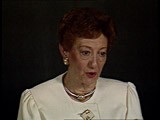
Madeline Deutsch describes ghettoization in Hungary
Oral HistoryMadeline was born into a middle class family in an area of Czechoslovakia that was annexed by Hungary in 1938-1939. Her father worked out of their home and her mother was a homemaker. Madeline attended high school. In April 1944 her family was forced into a Hungarian ghetto. The family lived in the ghetto for two weeks before being transported to Auschwitz. Madeline and her mother were separated from her father and older brother. Neither her father nor brother survived the war. A week after arriving in…